
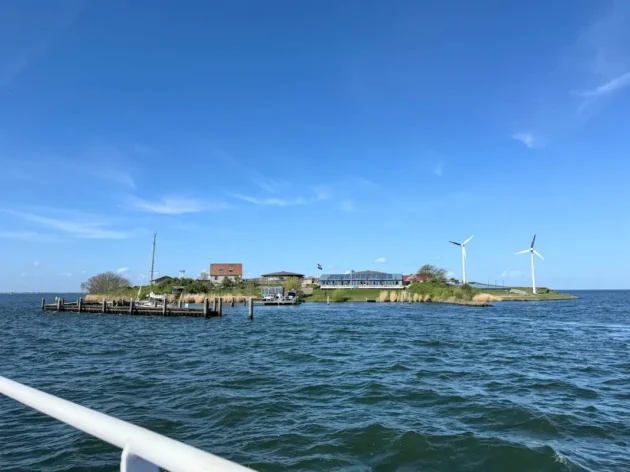
Just a short ferry ride from the bustling streets of Amsterdam, a couple of weeks ago, I found myself at a very special place: Fortress Island Pampus. It’s a marvel of 19th-century engineering and an exemplar of a defensive strategy that relied as much on nature as it did on stone and steel. It’s a fascinating witness to the Dutch capital’s military past. But it isn’t a place stuck in the past. What surprised me most was how it simultaneously showcases a progressive approach to sustainability.
Visiting Fortress Island Pampus
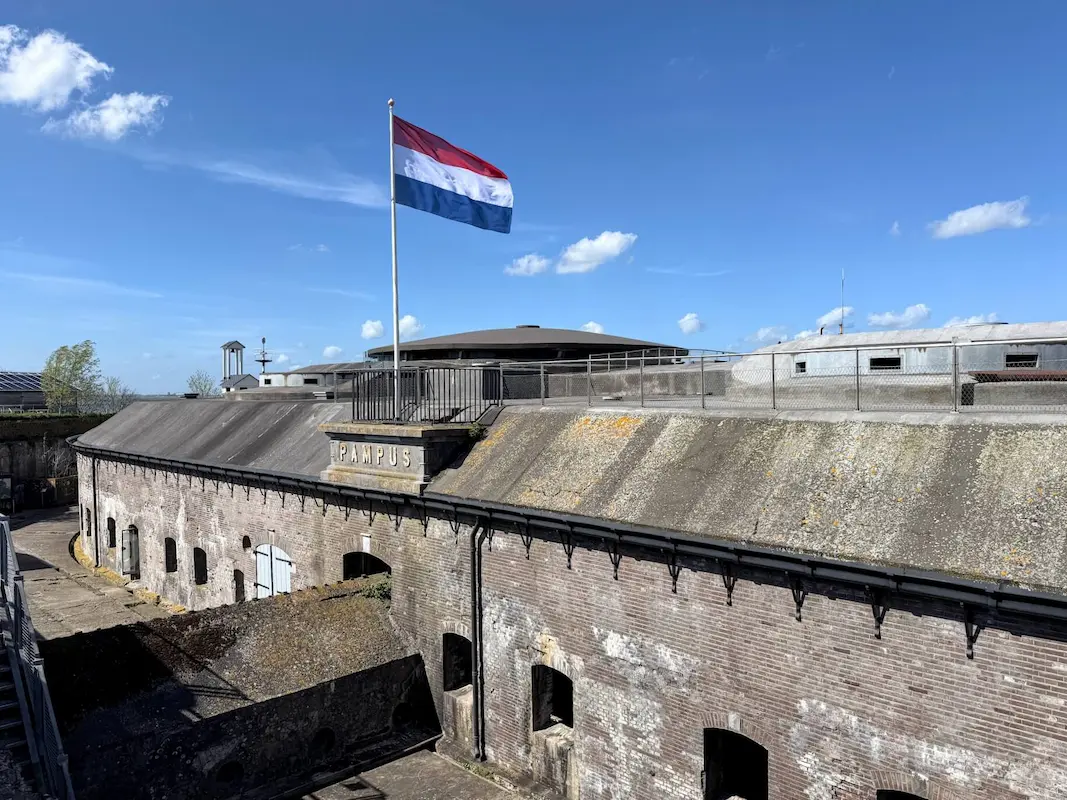
If you’re anything like me and you’re always looking for meaningful hidden spots while travelling, you’ll find Pampus to be truly fascinating. This man-made island that once stood as a part of the Defence Line of Amsterdam (a UNESCO World Heritage Site today) is easily one of the most unique places I’ve visited in the Netherlands.
⤷ Read more: 25 Beautiful UNESCO World Heritage Sites in Europe
The Story Behind the Name “Pampus”
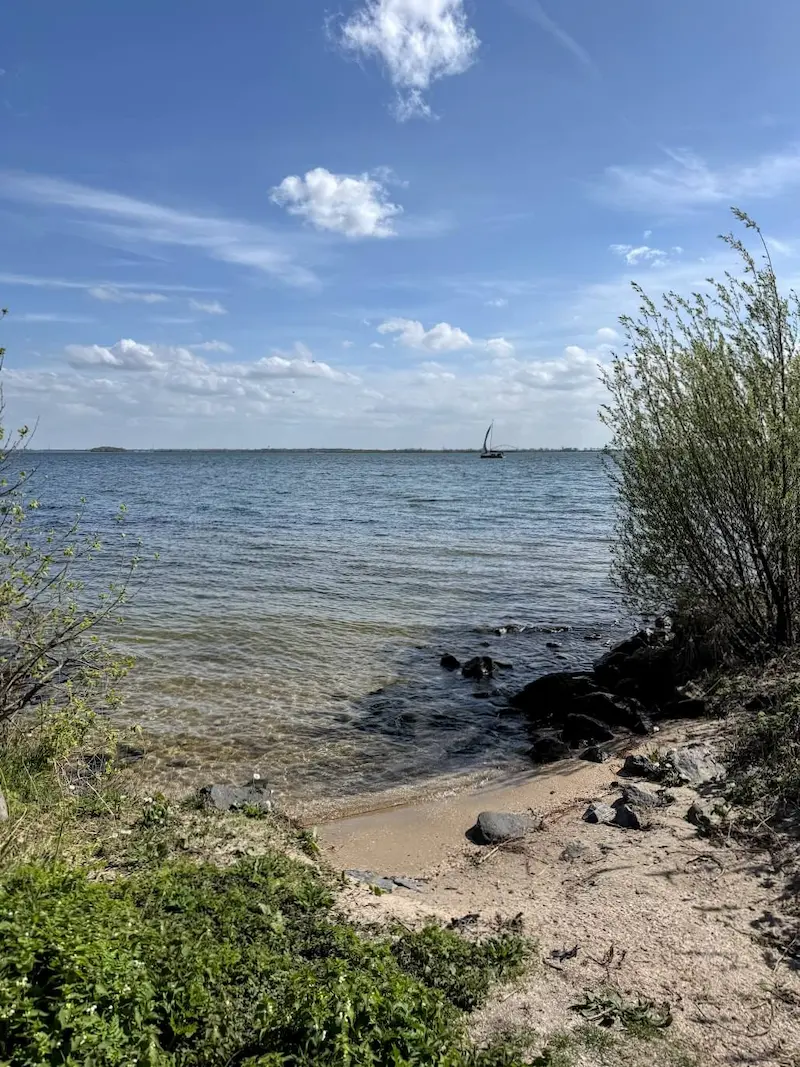
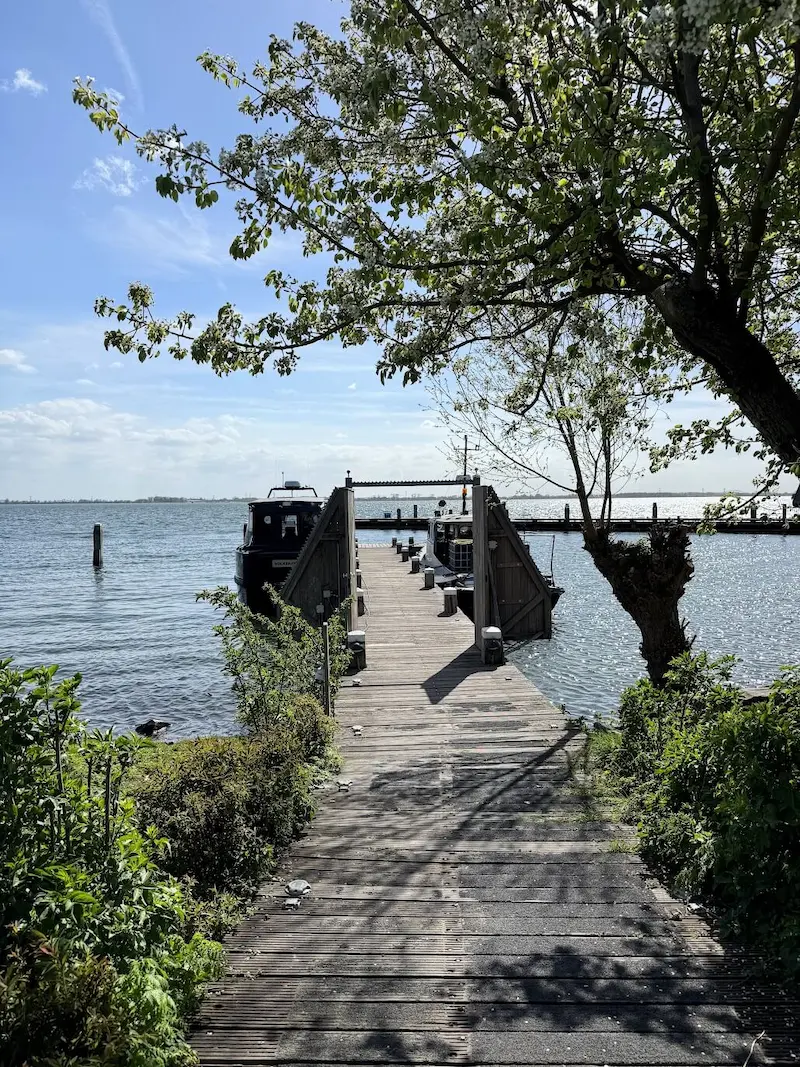
The origin of the island’s name is as interesting as its history. In the 17th and 18th centuries, large merchant ships returning from the East Indies would often get stuck on the shallow sandbanks (the Pampus) just outside Amsterdam.
They had to wait for high tide or for smaller boats to lighten their load before they could enter the harbour. The sailors, with nothing to do but wait, would often drink and feast until they were “lying before the Pampus.”
It’s a charming bit of linguistic history that set the stage for the island’s construction in the 1880s, when the Dutch government decided those same shallow waters were the perfect place for a massive fort.
⤷ TIP: While exploring the Fortress Island Pampus, look for the “Eye-opener” boards. I enjoyed reading them and learning more about the island’s secrets.
Pampus as a Part of the Defence Line of Amsterdam
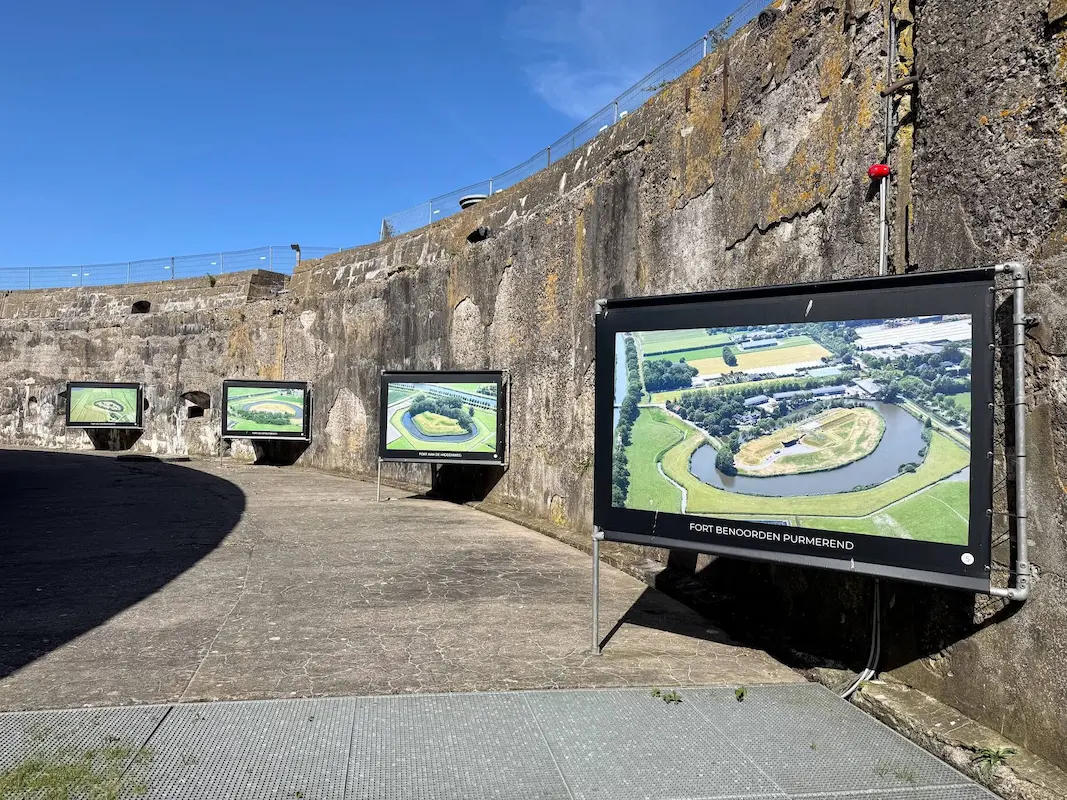
Pampus was built between 1887 and 1895 as a part of a massive 135-kilometre ring of fortifications designed to protect Amsterdam. In case of an enemy attack, the Dutch planned to flood the countryside surrounding Amsterdam to a depth of about 50 centimetres. This was a precisely calculated number: too deep for soldiers and wagons to cross, but too shallow for boats to navigate.
Pampus served as an integral part of this defensive line, designed to prevent enemy ships from entering the IJ River and reaching Amsterdam from the Zuiderzee.
⤷ TIP: Don’t miss the photography exhibition within the fort featuring 42 boards showing aerial views of all the forts in the Defence Line. It’s fascinating to see all of their designs and learn more about the innovative idea behind them.
The History of the Fortress Island Pampus
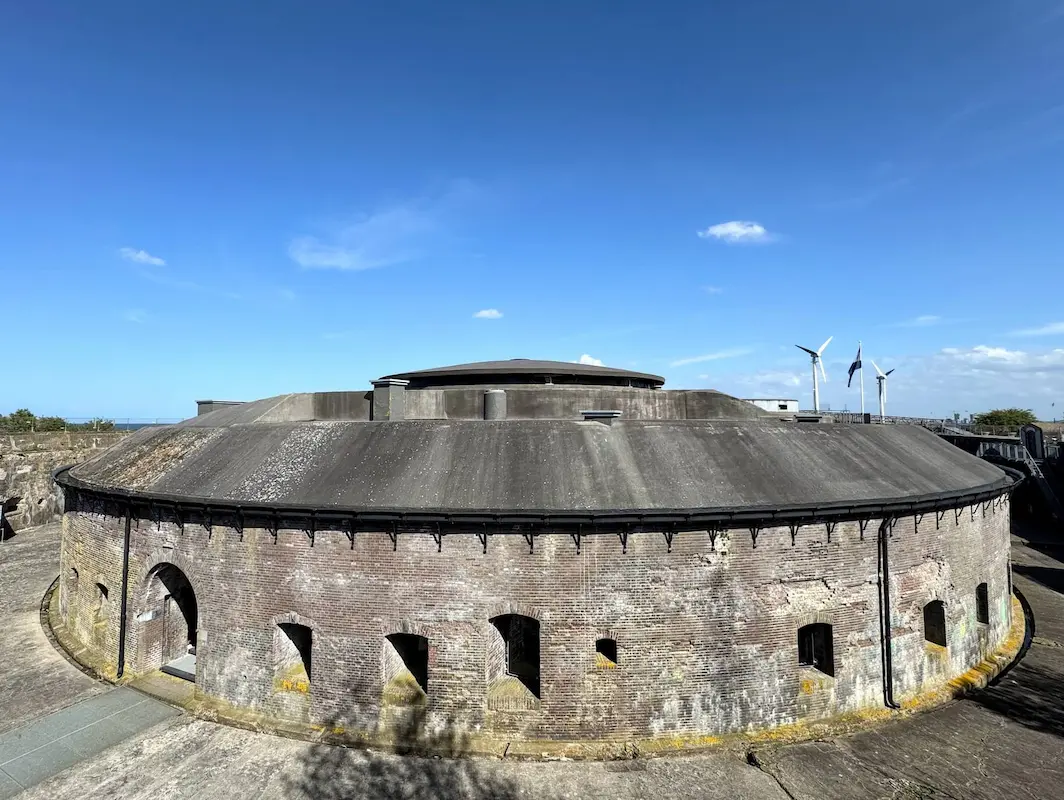
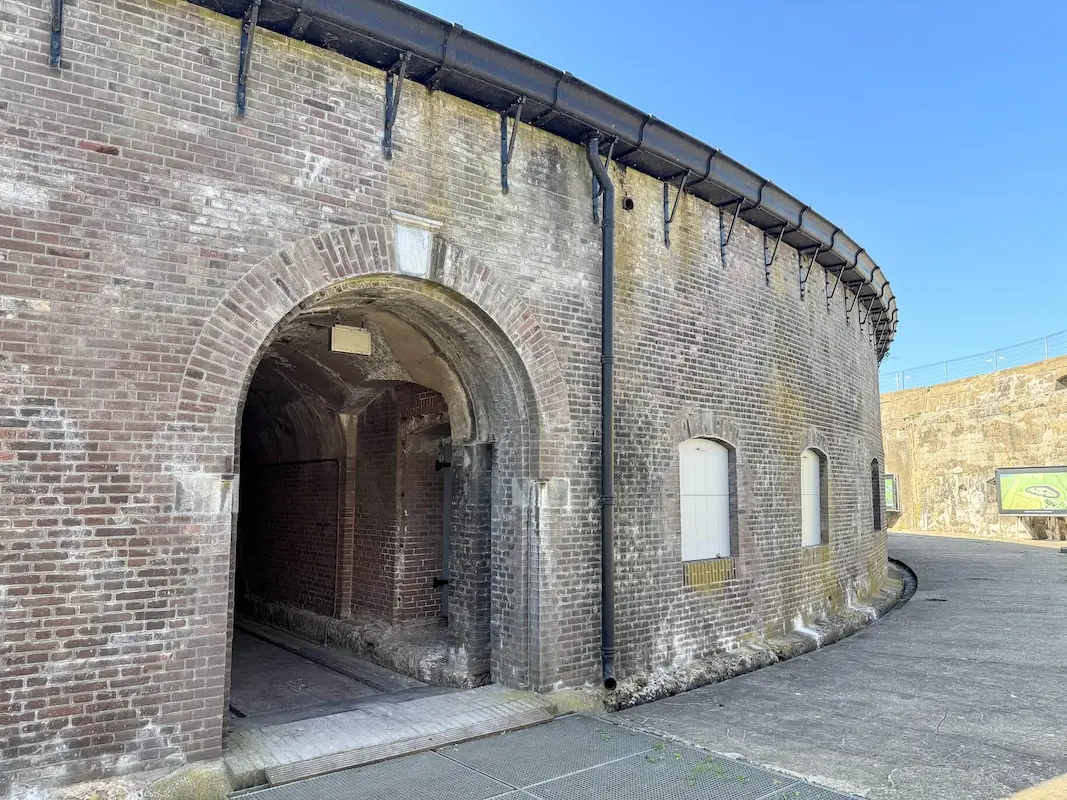
The first thing that struck me after arriving at Pampus was the island’s sheer scale. The fort is roughly the size of four football fields. While that might not sound massive, once you realise you are standing on an entirely artifical island, it feels like you’re in the middle of an engineering marvel.
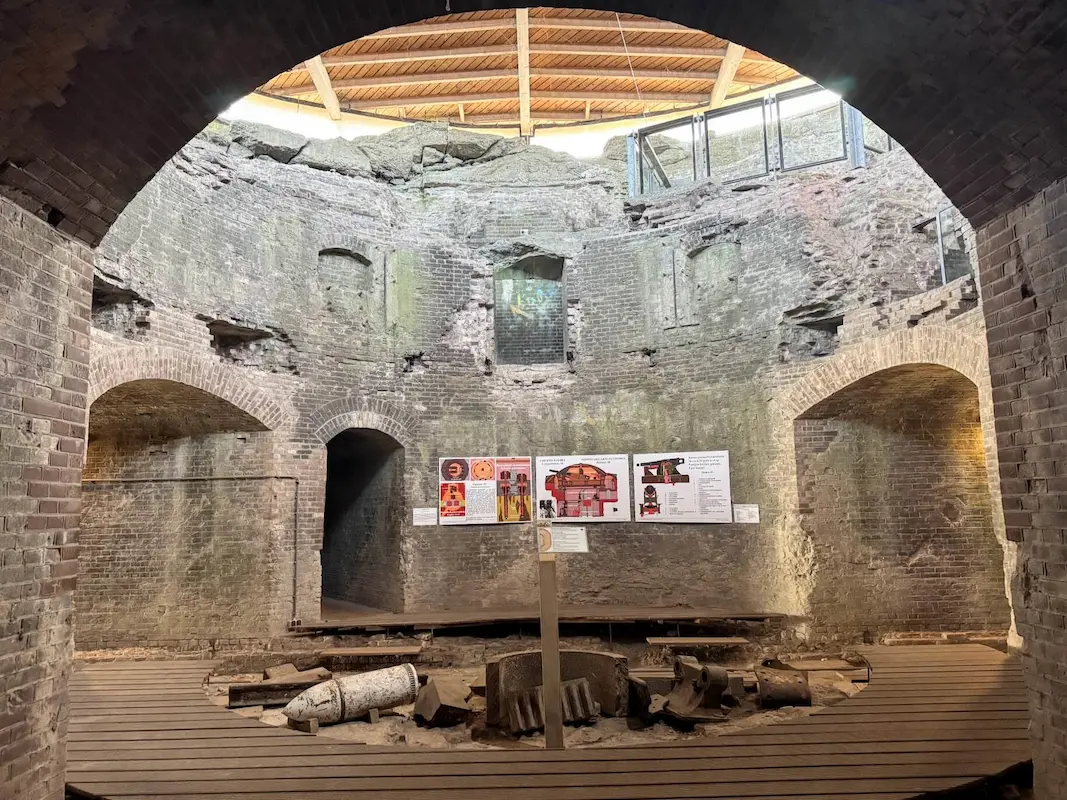
The fort was built on 3,800 wooden piles driven deep into the seabed. The massive, oval-shaped concrete structure was originally equipped with two heavy gun turrets and self-sufficient living quarters for a garrison of 200 soldiers.
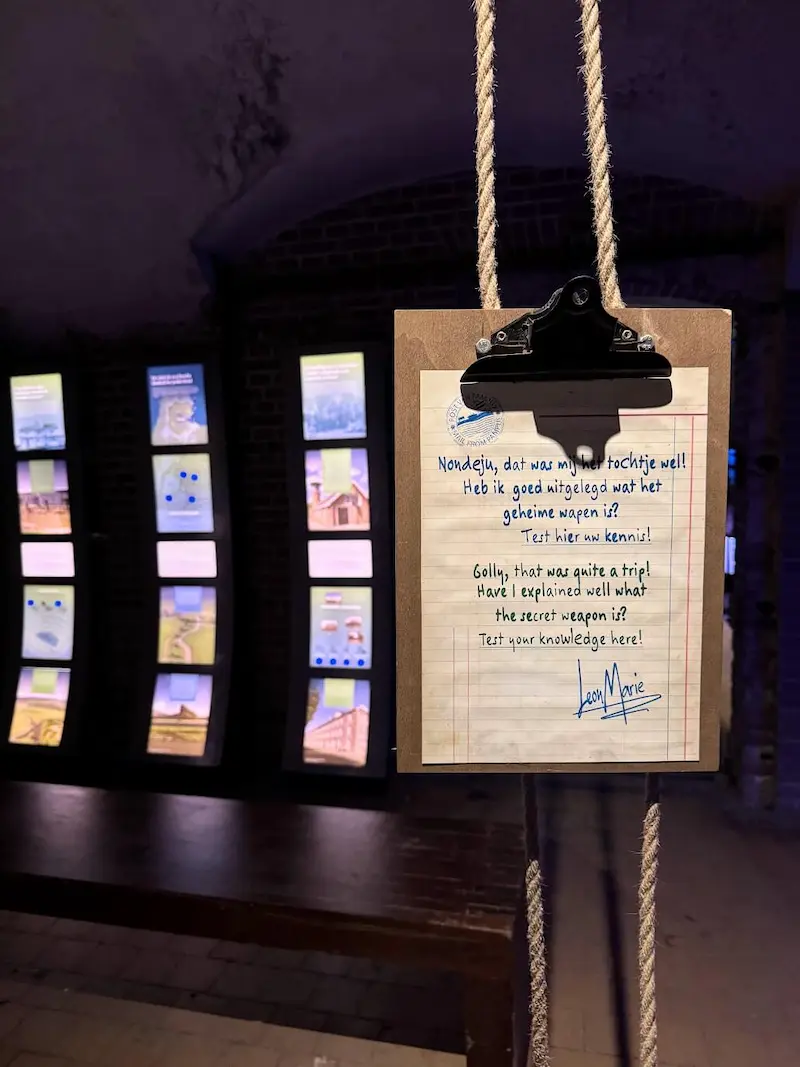
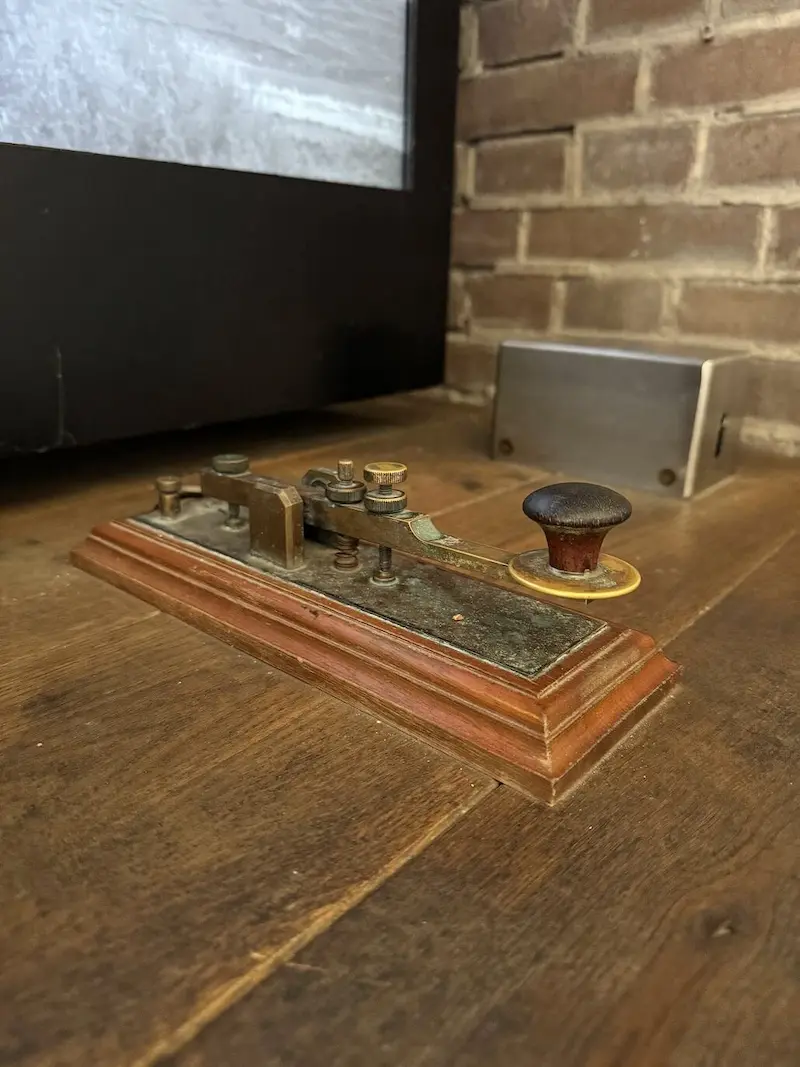
At the time, it was state-of-the-art technology. It was one of the first forts in the Netherlands to have its own electricity and telegraph station. The exhibition inside the fort is quite interactive and you get a chance to try sending a message using Morse code.
Walking through the corridors, I could still feel the damp chill of the thick concrete walls. It was easy to imagine the harsh everyday life of the 200 soldiers stationed here. Ironically, the fort became obsolete almost as soon as it was finished due to the rise of long-range artillery and airplanes in the First World War.
What to See & Do at Fortress Island Pampus
Something I really loved about visiting Pampus Island is how quiet and peaceful it is. There are no crowds to rush you, and the atmosphere is very tranquil.
⤷ Read more: Exploring Castles & Gardens in the Amsterdam Area
Join a Guided Tour
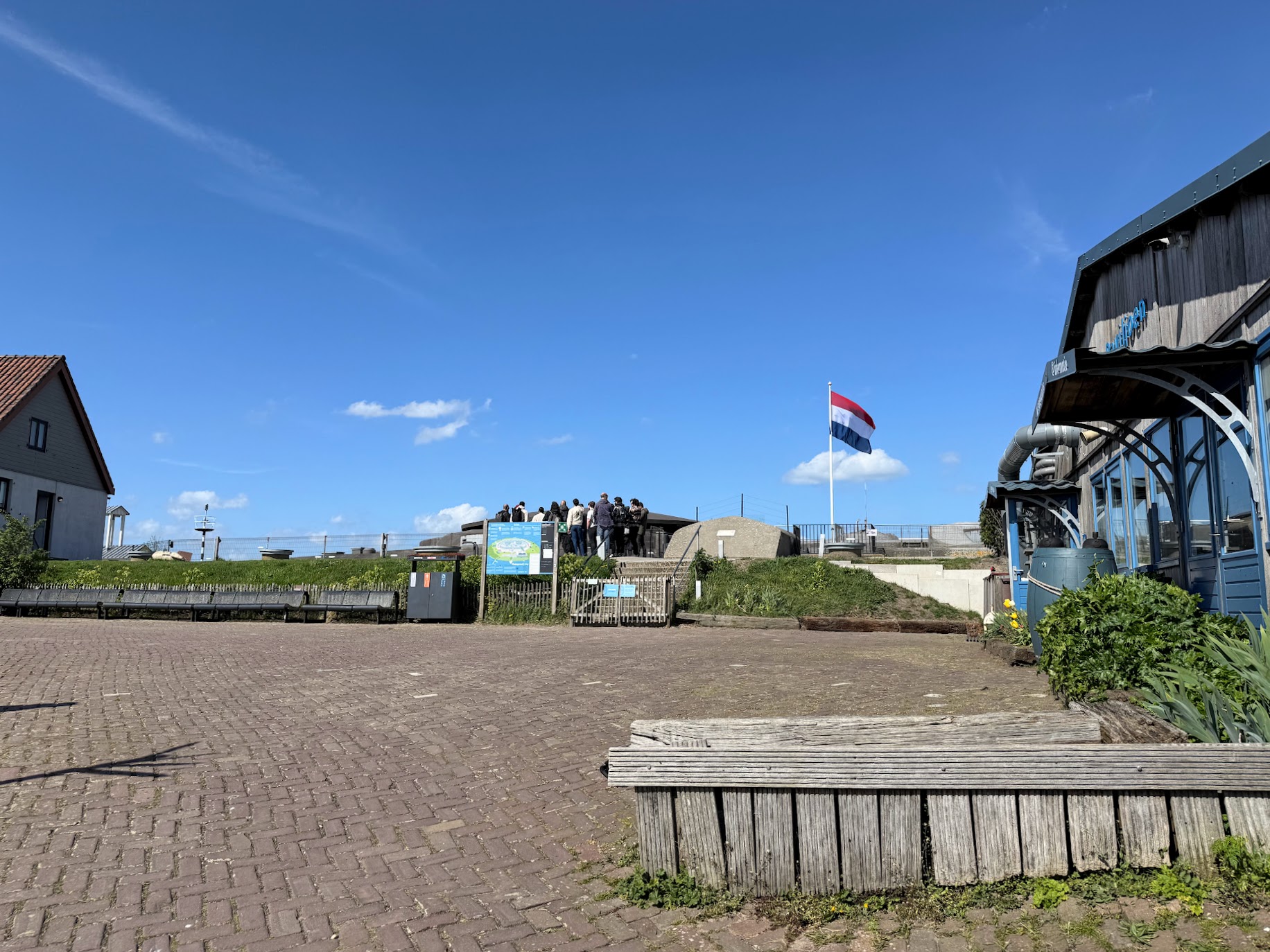
I started my visit with a guided tour. It was fascinating to learn more about its history and the edifices you can still see on the island. The tour also highlighted the innovative projects making the island sustainable. It’s a rare look at how a historic site can adapt to modern environmental needs.
Go on a Virtual Balloon Ride
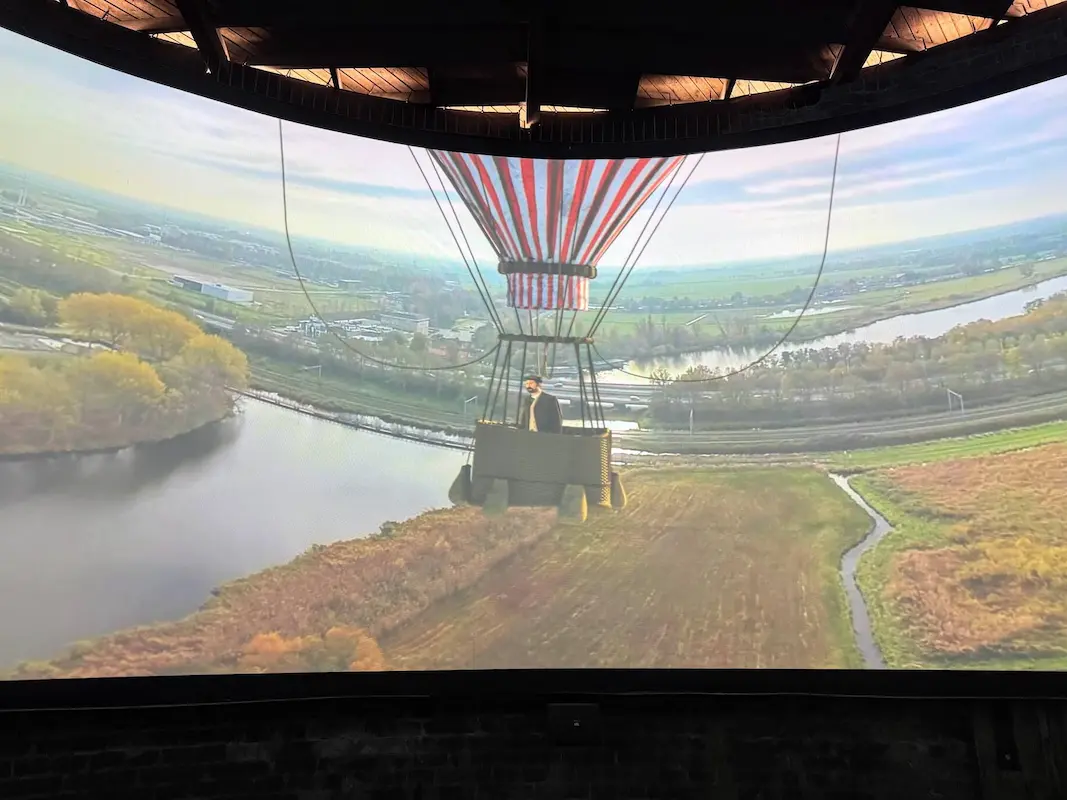
One of the highlights of my visit was the virtual balloon ride. It’s a fun experience which takes you on a flight over the Defence Line of Amsterdam, showing how the locks, dikes, and forts worked together to turn the landscape into a water-based fortress. It’s the best way to understand the geographical scale of that fascinating project.
Wander the Tunnels
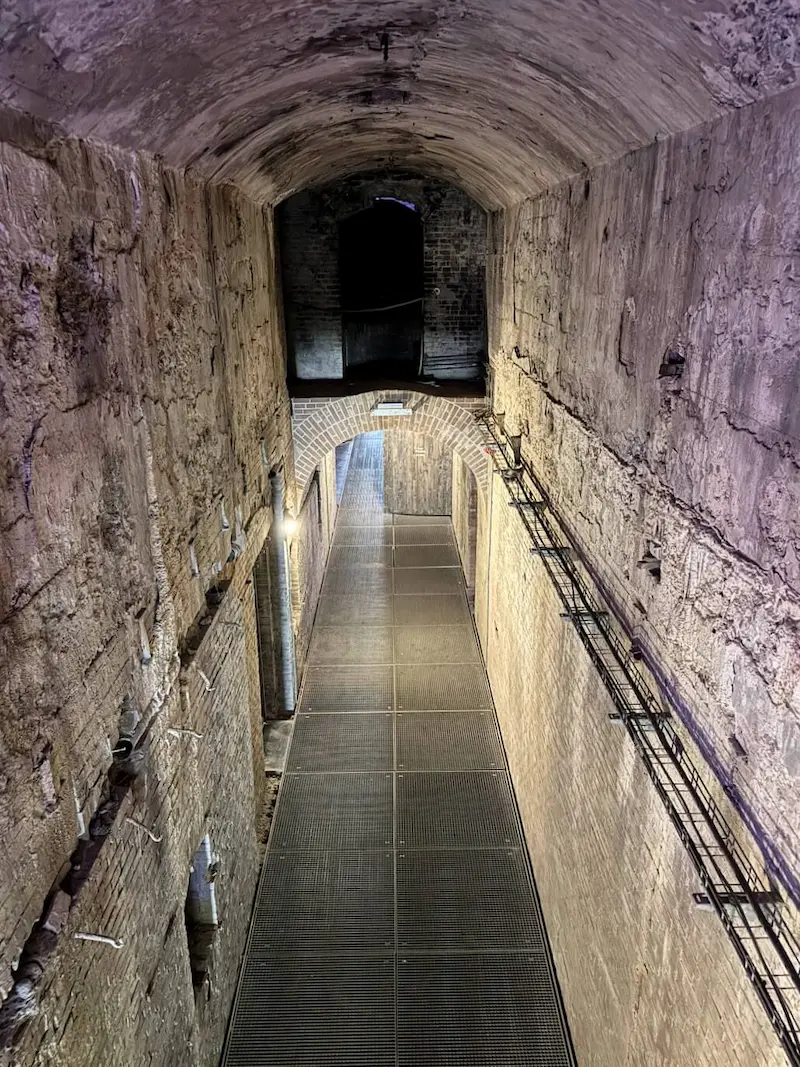
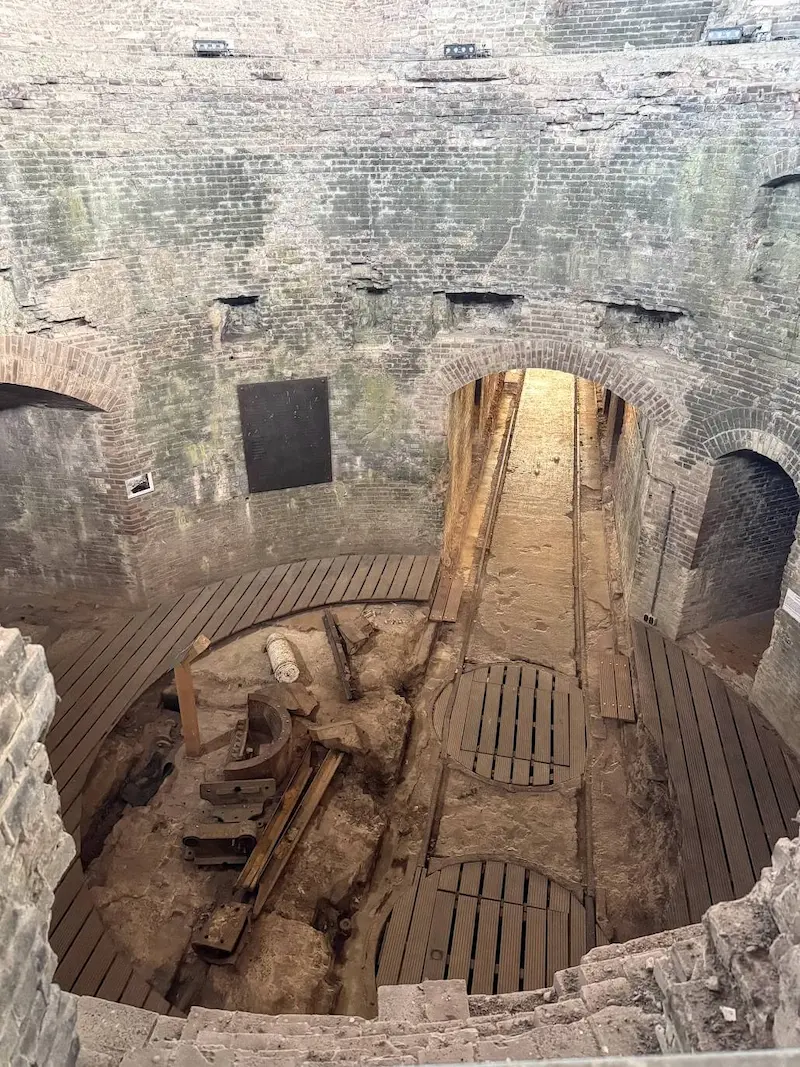
The Pampus fort is a labyrinth of narrow tunnels, ammunition stores, bunkers, and living quarters. It’s a bit dark inside them, so they feel quite mystical (especially if you’re going to be alone in them as I was). While there, I noticed so many original details like the hoist systems for heavy shells and the small hatches where soldiers stood watch.
Enjoy the View From the Ramparts
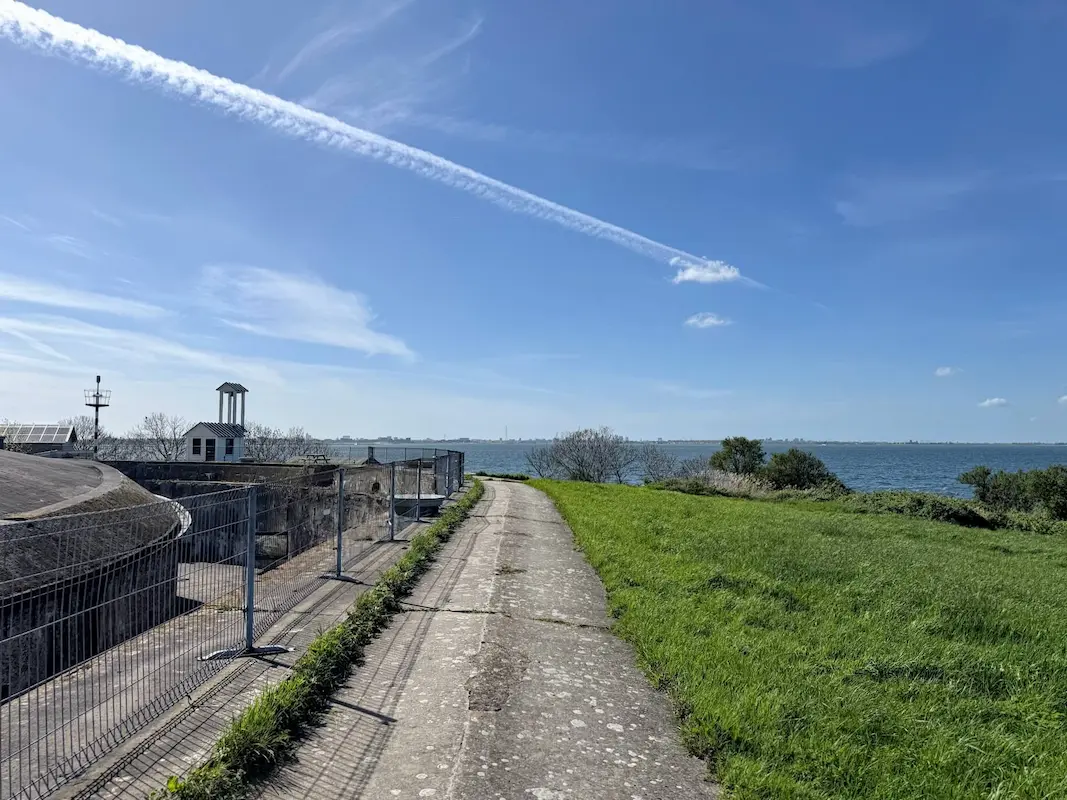
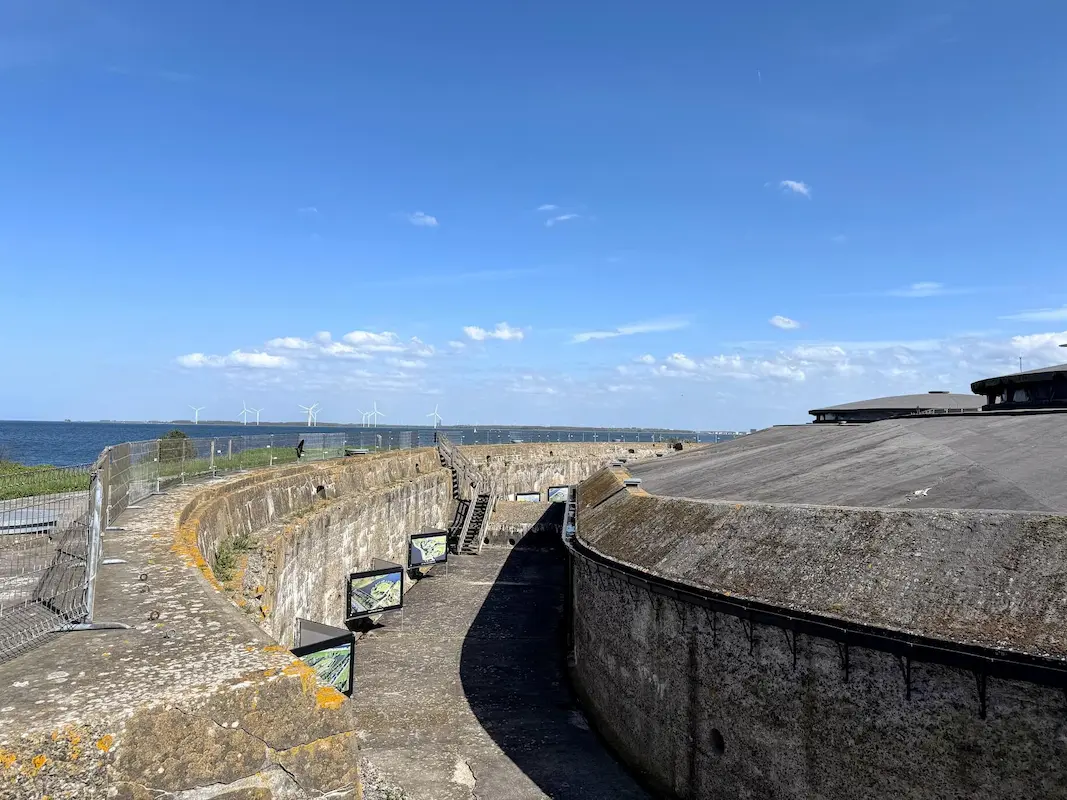
Once outside of the concrete fort, I stepped onto the grass-covered island and enjoyed a 360-degree view of the IJmeer. On a clear day, you can see the skyline of Amsterdam. It’s a perfect spot for photography. The contrast between the industrial grey concrete and the white sails of boats passing on the IJmeer was so captivating.
Learn About Sustainability
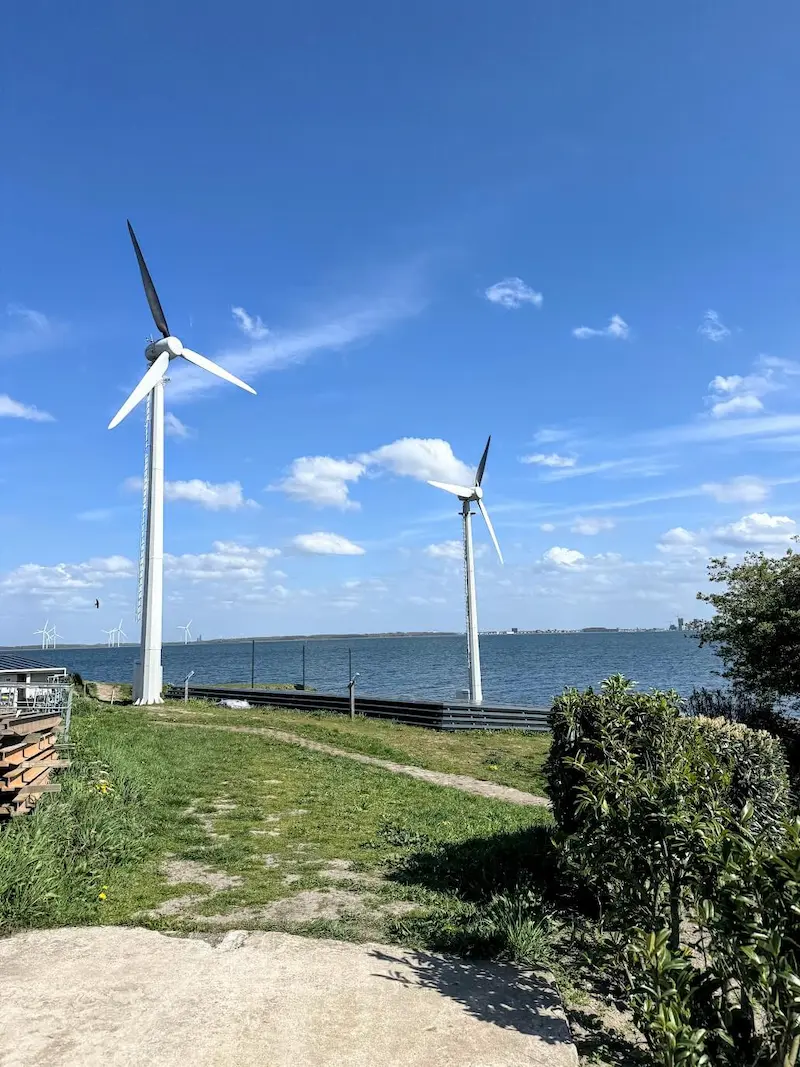
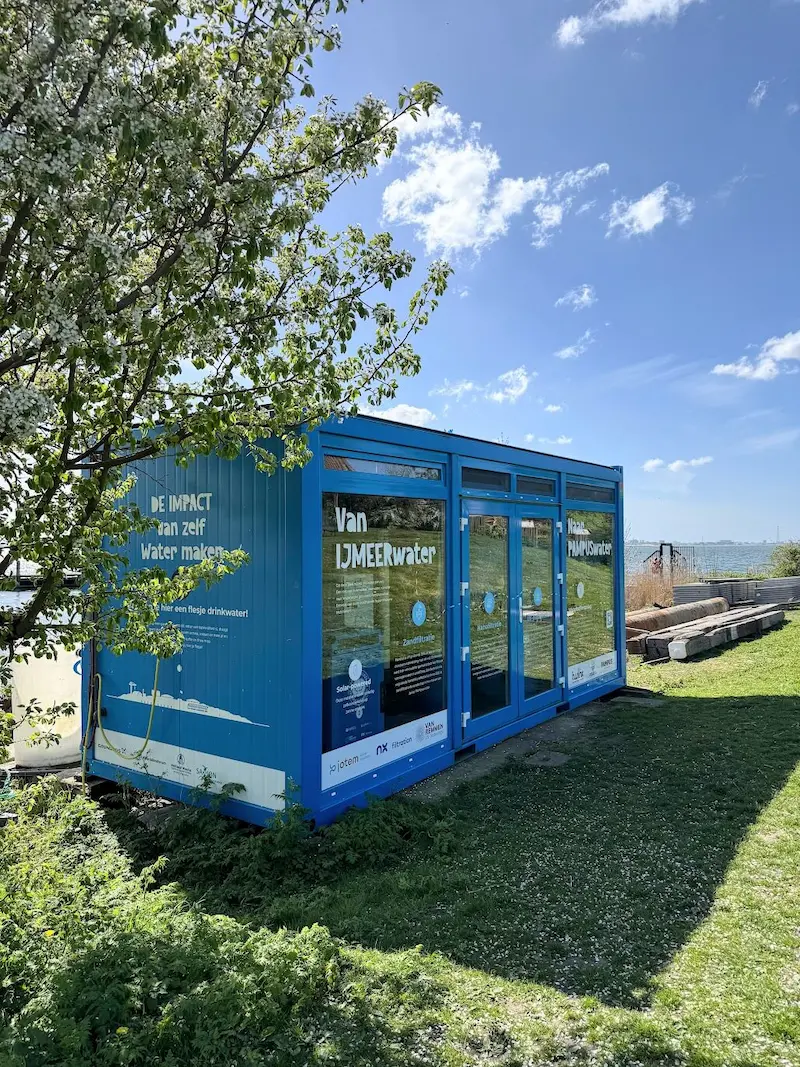
What I find most inspiring about Pampus wasn’t just its history, but its future. The island is currently on a mission to become fully self-sufficient and fossil-free.
Since the island isn’t connected to the mainland’s power grid, they’ve had to innovate. They use wind and solar power and have implemented a circular water system. They now purify their own drinking water using a system that combines old and new techniques: water is pumped from the IJmeer, filtered through sand and gravel (as in the old days), and then treated with modern nanofiltration and UV-C technology.
Visit the Pampus Island Garden
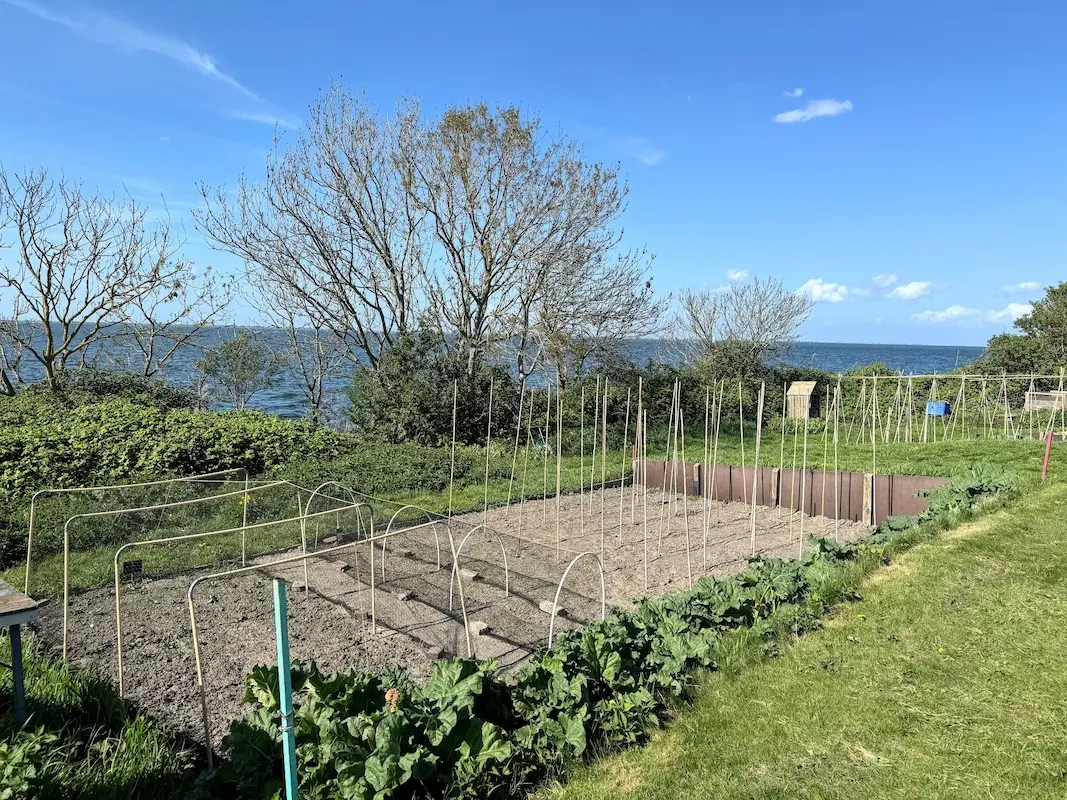
When the Amsterdam Defence Line was established in the late 19th century, one of the requirements for the forts was to be self-sufficient. That implied they had to be able to produce their own food, as well. It was an important thing in wartime when contact with the outside world was limited.
With that tradition in mind, Pampus Island still proudly cultivates its own garden, growing vegetables, herbs, and edible flowers. And they use everything they harvest in their restaurant. The food that’s coming from outside the island is locally and fairly produced.
Have Lunch at Pampus Pavilion
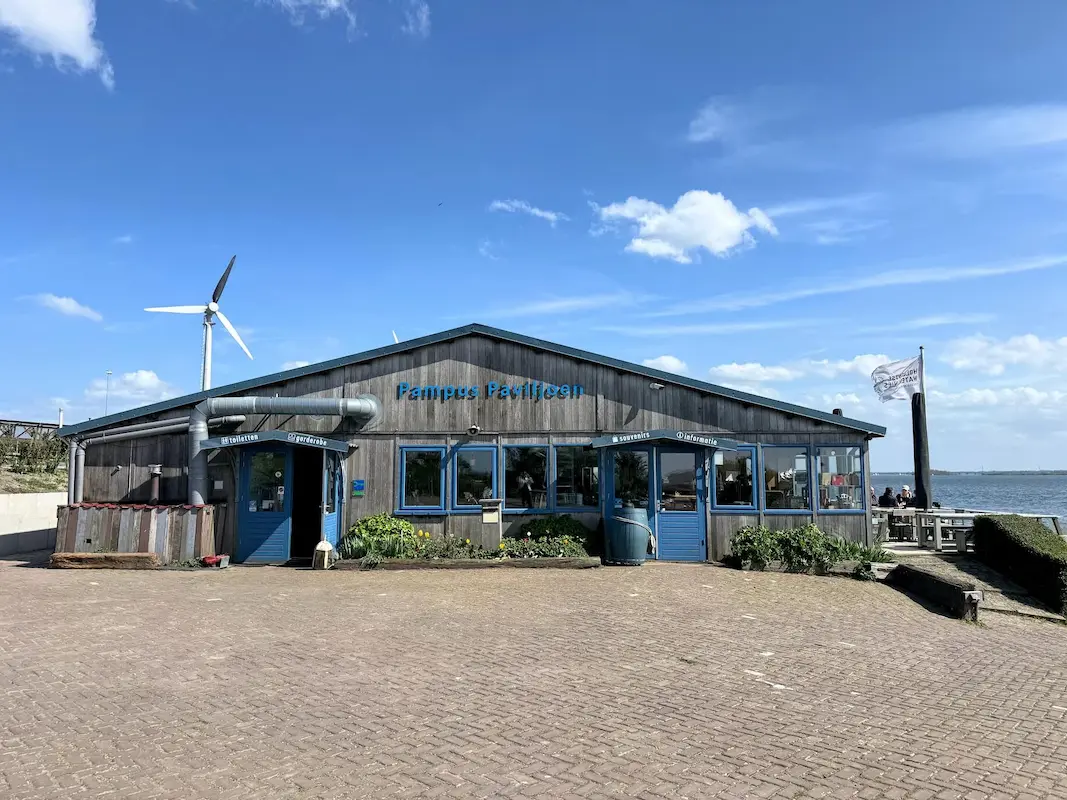
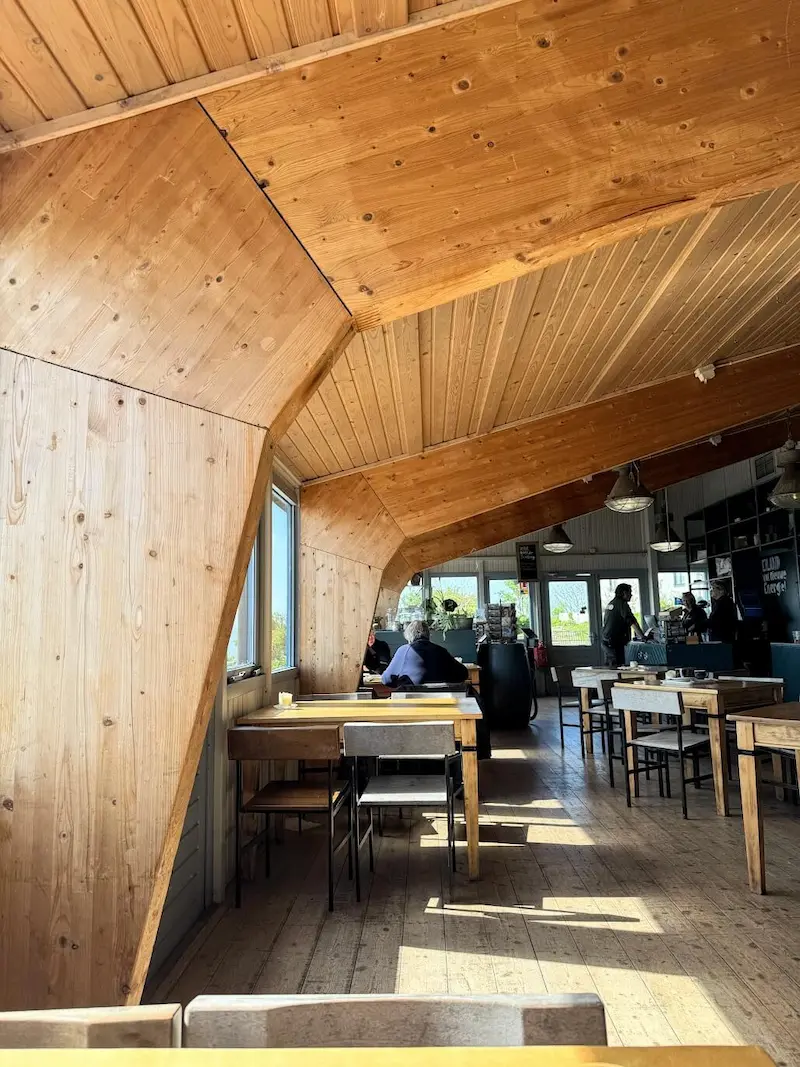
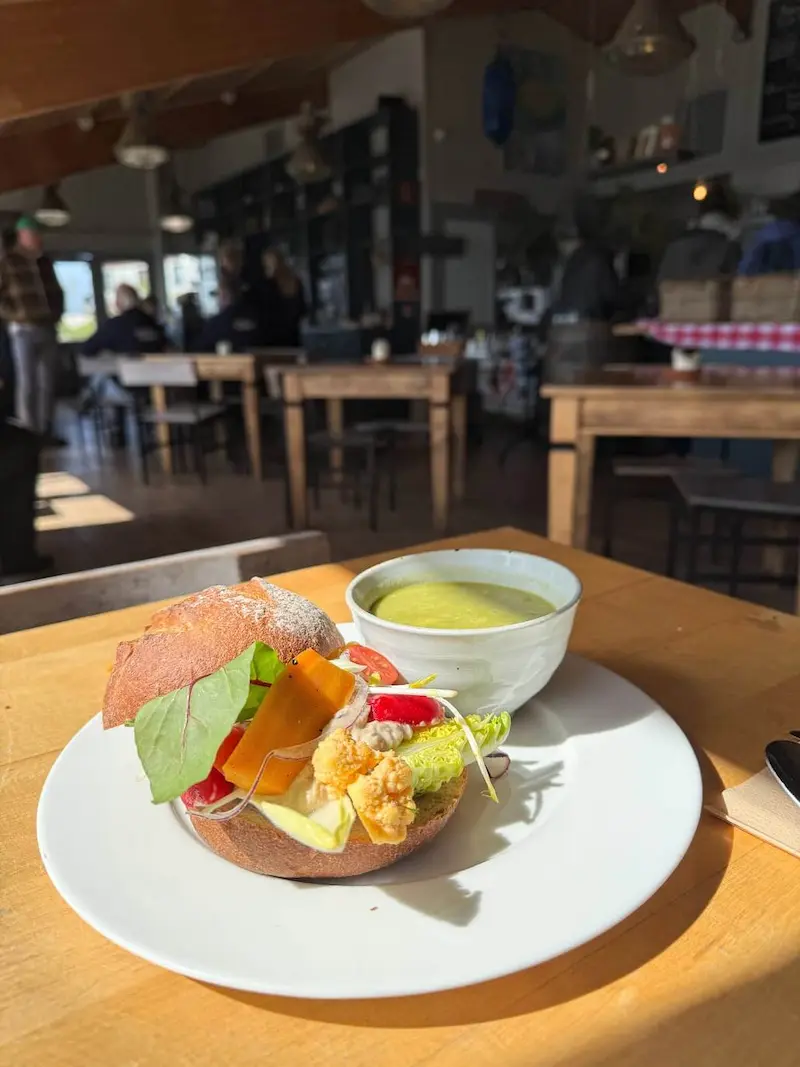
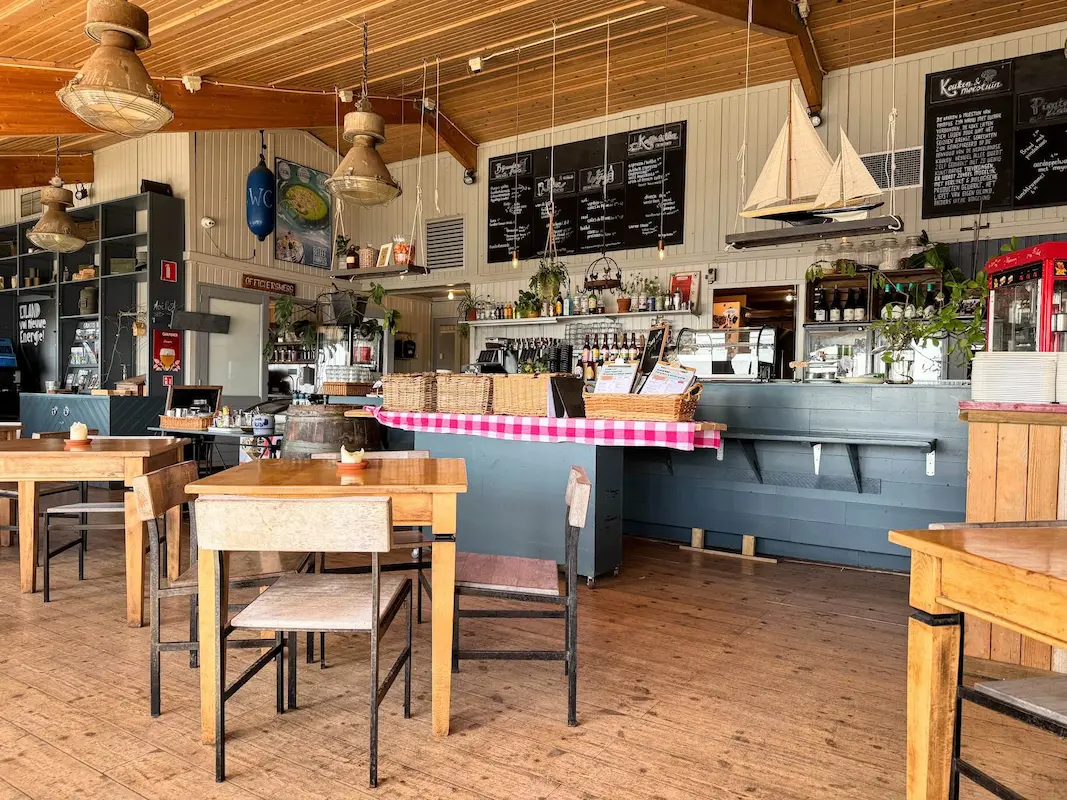
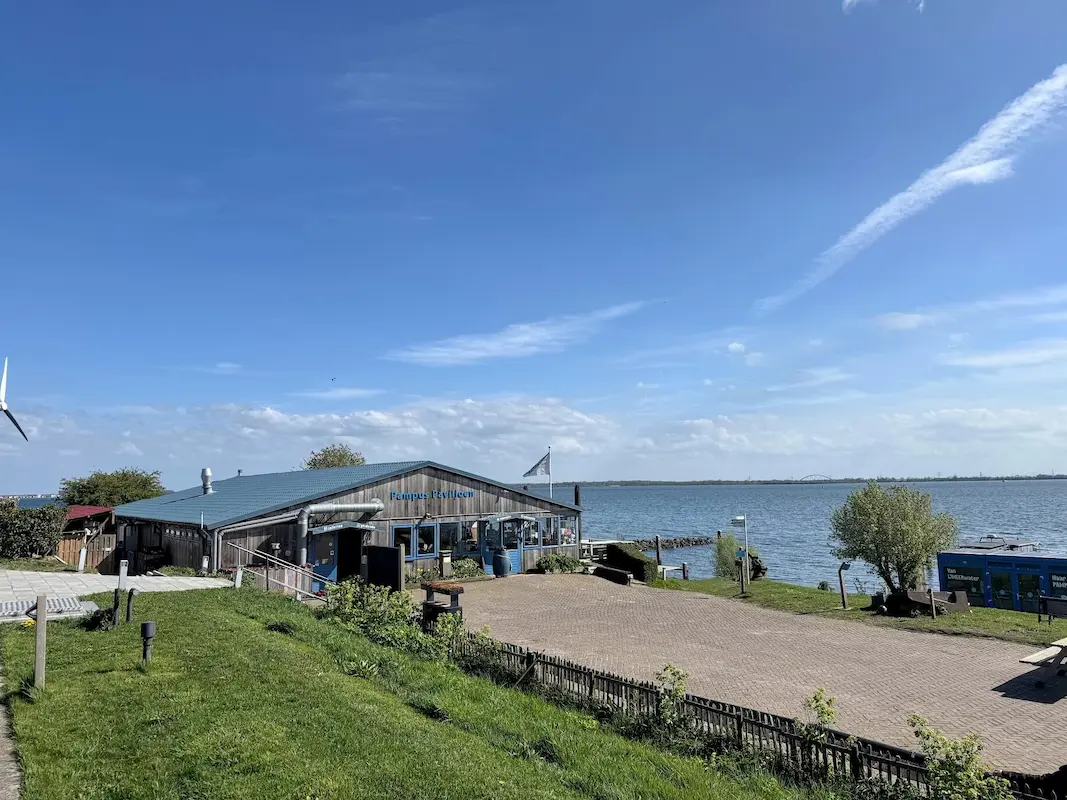
After exploring the island’s garden, I went to the Pampus Pavilion and enjoyed a delicious, fresh lunch. You can also have a cup of tea made with herbs from the garden or a real Pampus beer there.
I liked the cosy interior of the restaurant and the view of the sailing boats passing by. You’ll also find a small gift shop in it with some fun souvenirs to bring back home with you (like some very cute insect hotels).
If the weather is nice, you can take your food and eat it on a bench or a blanket outside, and enjoy a nice picnic atmosphere on one of the most unique islands in the Netherlands.
Special Events in 2026
Proef Festival Pampus (15-17 May 2026): The theme of the 2026 edition is “Self-reliance,” which will be explored through creative workshops, performances, music, games, and sports.
Island Table on Pampus (8 July 2026): A slow-food, plant-based lunch experience that includes a special guided tour around the island. I joined it, and truly enjoyed it!
⤷ TIP: The Island Table is limited in availability, so be sure to book your space in advance.
Rondje Pampus (25-26 July 2026): If you’d like to experience the nature around Pampus Island in a unique way, join the Rondje Pampus. It’s an organised swimming event around the island. Read more about it here.
Fortenfestival 2026 (5-13 September 2026): A week-long celebration of the Dutch water lines and fortifications.
Staying overnight at Pampus
Although Pampus is rather small, there are a few possibilities to stay on it overnight and experience the absolute silence of the island in the summer months.
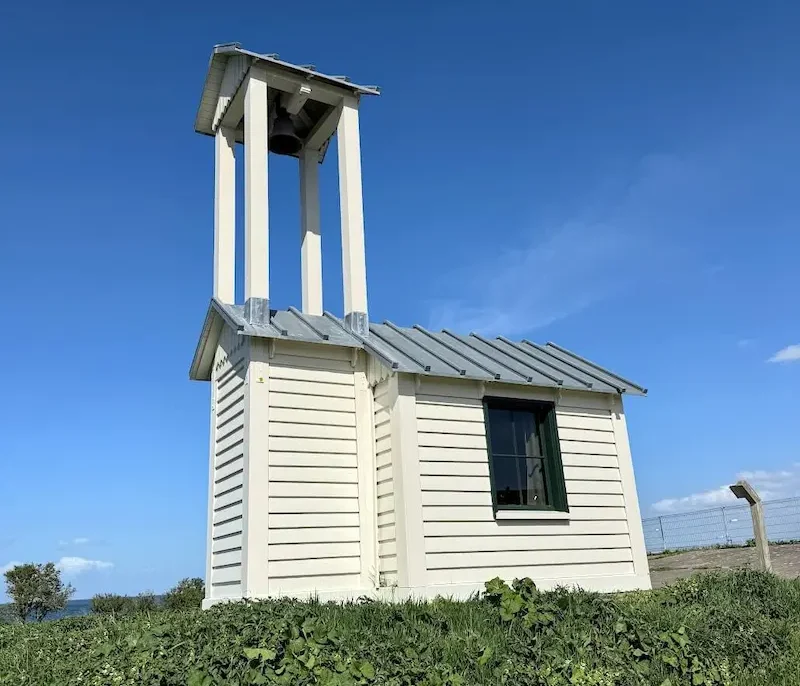
Mistklokhuis
You can stay in the restored “Fog Bell House,” a tiny, romantic white building. On foggy days, Pampus Island was barely visible to ships passing by. So its bell tower warned them during heavy fog.
Mistklokhuis is open to visitors from 15 July to 22 August 2026. Housing a double bed, it’s a great place to spend a night and enjoy the peace and quiet of Pampus Island.
Camping on Pampus Island
Between 15 July and 22 August 2026, you can camp on Pampus Island. With only ten tents allowed, it’s a truly exclusive experience. And you don’t need to worry about cooking, because dinner and breakfast are included in the stay.
How to get to Pampus Island
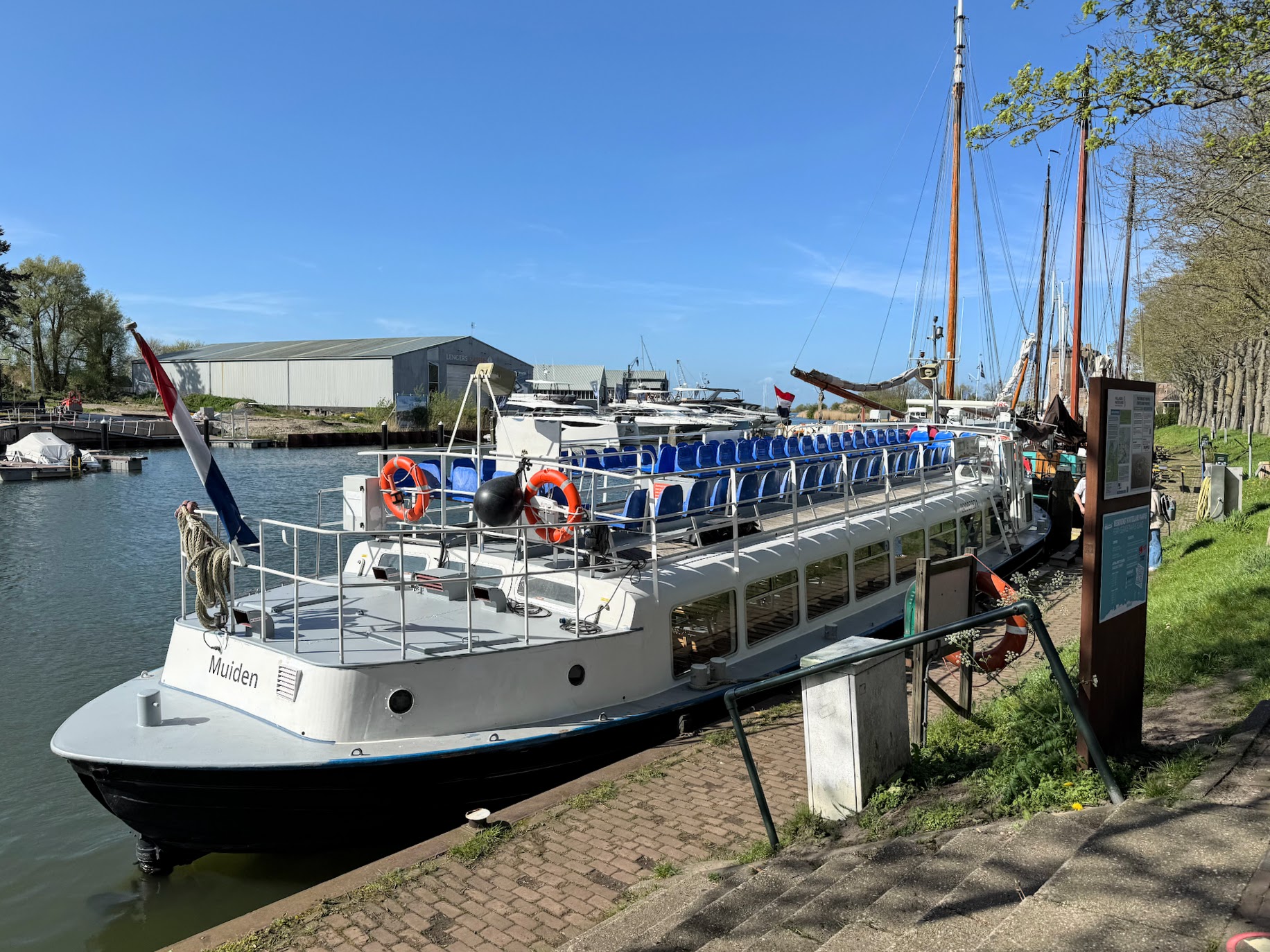
Besides visiting with a private boat, here is how you can get to Pampus Island:
From Amsterdam: You can catch a ferry from the IJburg neighbourhood, which is easily accessible by tram from Centraal Station.
From Muiden: You can also do as I did and get on a ferry at Muiden from where it takes about 25 minutes to get to the island.
⤷ TIP: While waiting for a ferry in Muiden, I had a coffee and a delicious cinnamon roll at the charming bakery Stadsbakerij Bob Bakt. It’s located a few steps from the ferry departure point, making it a perfect stop on your way to Pampus.
Tips for Visiting Fortress Island Pampus
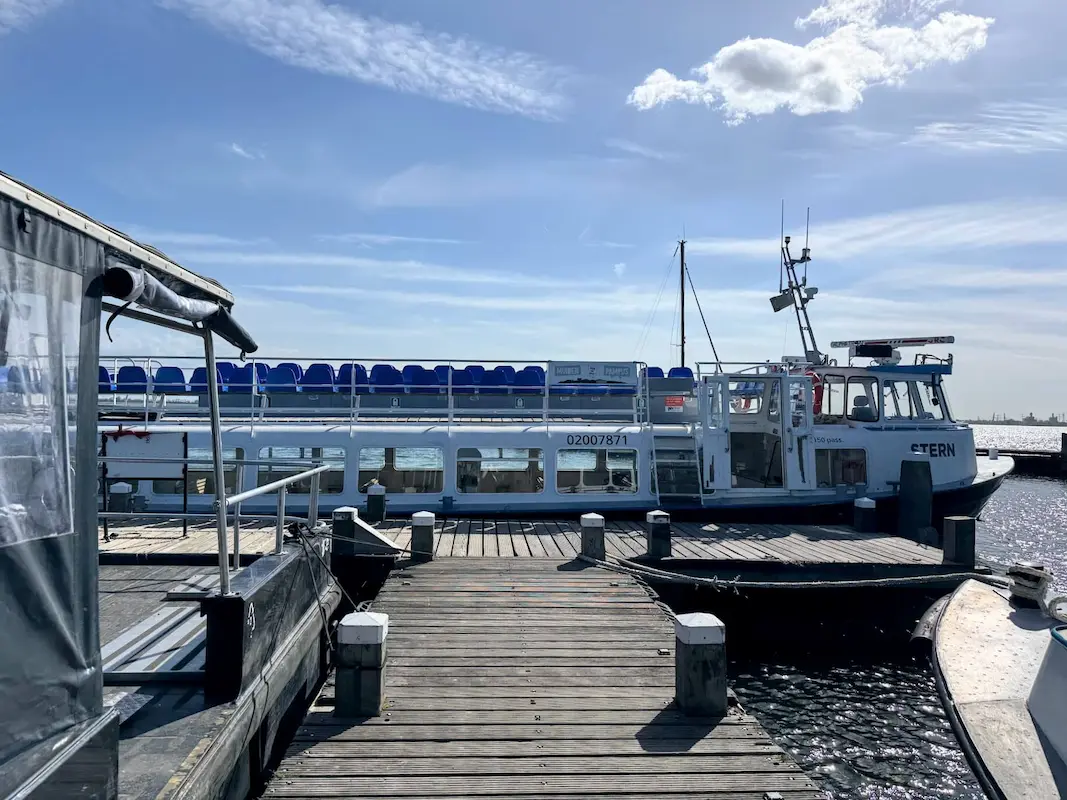
Entrance ticket & Opening hours: You can check out all the entrance ticket options, opening hours, and ferry time slots at this link. If you have a Dutch Museum Card, the entry to the fort is free (though you still pay for the ferry).
Bring sunscreen: If you’re visiting on a sunny summer day, be sure to bring sunscreen with you. It might be tempting to sunbathe or even take a swim, so be sure to protect your skin properly.
Layers: It’s always a bit windy on the island, so bring layers or a light jacket when visiting it.
For culture loving travellers, Fortress Island Pampus is a reminder that history isn’t just found in the busy cities. Sometimes, it’s found in a concrete fortress in the middle of a lake, where soldiers once waited for a war that never came, and where today, the wind and water tell a new story of resilience and sustainability.
I visited Fortress Island Pampus during the organised press visit. Many thanks to everyone involved for organising such a wonderful trip for me. However, as always, all opinions are my own.