The Man Behind the Masterpiece: Johann Sebastian Bach

Who was Johann Sebastian Bach

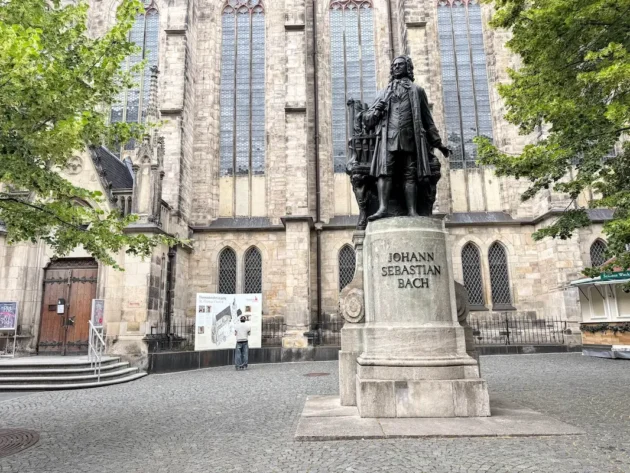
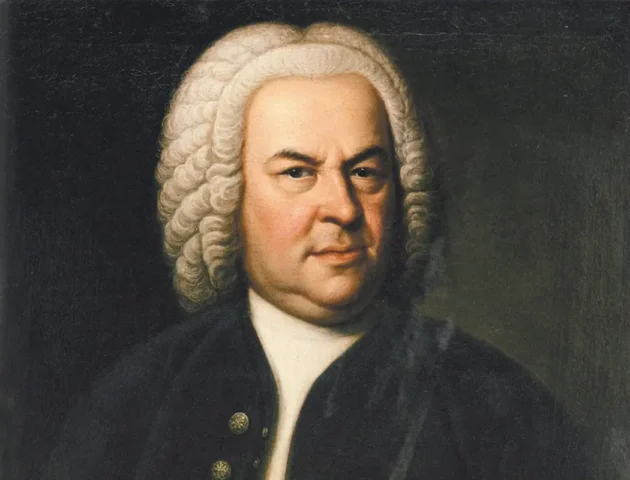
If you ever walk through the lovely, old streets of Leipzig in Germany, you might pass by a large St. Thomas Church (the Thomaskirche). That monumental building is the exact place where Johann Sebastian Bach worked. And he lived right next to it. Today, people all over the world think of Bach as one of the greatest musical geniuses who ever lived. When you look at his image in old paintings, he looks like a serious, strict man wearing a big white wig. But who was that man?

Albrecht Dürer in Nuremberg: A Guide to the Artist’s Hometown

Albrecht Dürer in Nuremberg

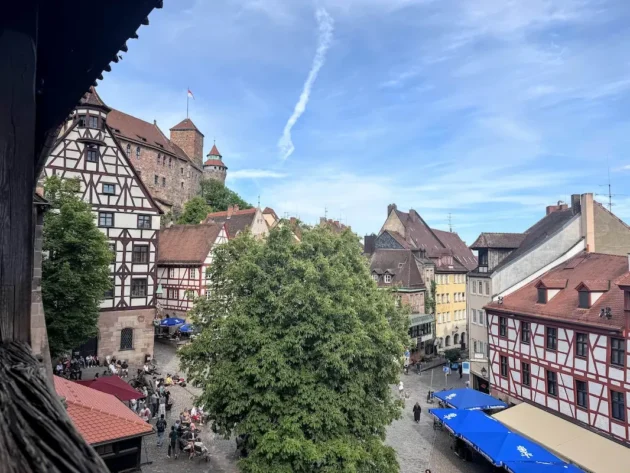
Albrecht Dürer spent almost his entire life in Nuremberg. This is where he was born, created some of his most famous paintings and prints, published his groundbreaking books, mingled with the city’s scientific and humanist leaders, and walked the city’s winding streets. While strolling its cobbled streets, passing alongside its recognisable half-timbered houses, and exploring its iconic landmarks, it is easy to feel as though Nuremberg hasn’t changed much since the famous painter lived here. To help you trace his steps and bring history to life, here is your ultimate guide to finding the legacy of Albrecht Dürer in Nuremberg.

Revived History: A Complete Guide to Puy du Fou

A complete guide to visiting Puy du Fou

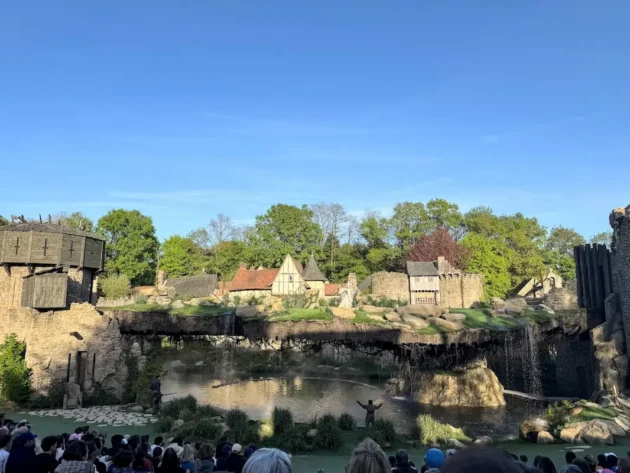
Deep in the countryside of the Vendée region in Western France you’ll find a very different kind of travel destination. Puy du Fou revives the past with a strong belief that history is the most exciting story ever told. You won’t find roller coasters, bright neon lights, or cartoon characters here. Instead, you walk into a huge, quiet forest where the sounds of Viking horns, Roman chariot races, and the wings of hundreds of birds of prey bring history to life. I spent a couple of days at this fascinating place last month, so keep on reading for my complete guide to Puy du Fou.

What To See & Do in Les Sables d’Olonne 🇫🇷

What To See & Do in Les Sables d’Olonne

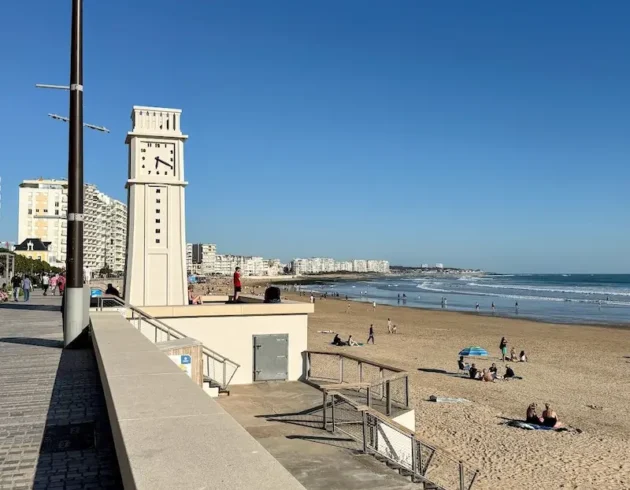
Les Sables d’Olonne is located in the heart of the famous Côte de Lumière in France’s Vendée region. The small town stretches along a long sandy beach filled with surfers of all ages, but it’s far from a soulless resort. Wander through the narrow streets of its Old Town and you’ll discover a world of maritime history, architectural heritage, and charming town squares. Read my curated guide on what to see and do in Les Sables d’Olonne.

The Best Things to Do in Zamość: Poland’s Ideal Renaissance Town

Best things to do in Zamosc

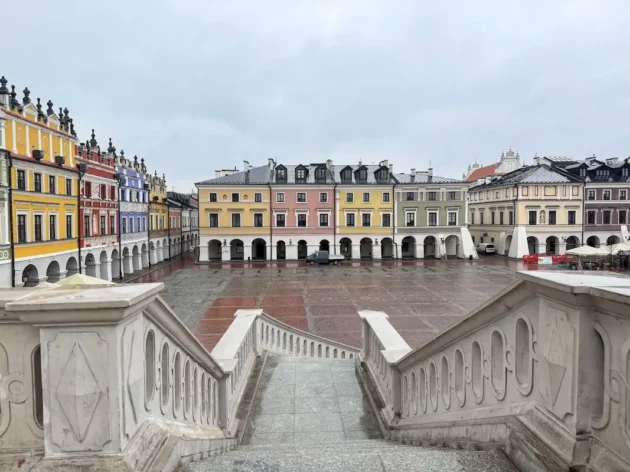
Have you heard of Zamość? That stunning place in Poland is a perfectly preserved Renaissance town, filled with colourful houses, rich flavours, and a complex, multi-layered history. I spent a few days in Zamość exploring its architecture, museums, and past, all while sampling delicious Polish cuisine. If you’re looking for a unique cultural escape, read my 2026 travel guide with the best things to do in Zamość.

Fortress Island Pampus: Where History Meets a Sustainable Future

Fortress Island Pampus

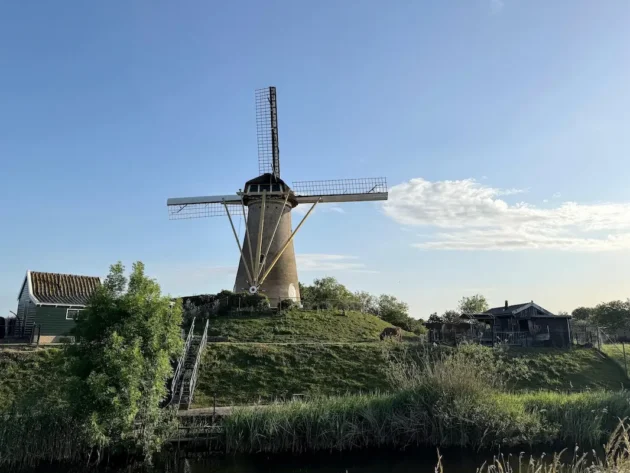
Just a short ferry ride from the bustling streets of Amsterdam, a couple of weeks ago, I found myself at a very special place:  Fortress Island Pampus. It’s a marvel of 19th-century engineering and an exemplar of a defensive strategy that relied as much on nature as it did on stone and steel. It’s a fascinating witness to the Dutch capital’s military past. But it isn’t a place stuck in the past. What surprised me most was how it simultaneously showcases a progressive approach to sustainability.

What To See in Lublin 🇵🇱

What to see in Lublin

The Polish town of Lublin is a place where history meets modernity. Its cobbled streets are filled with fascinating legends, colourful historic houses, and a profound Second World War history. Located on the ancient road between Kraków and Vilnius, it comes as no surprise that Lublin was the site where the Polish-Lithuanian Union was signed in 1569. As many locals proudly noted, this historic agreement signed at Lublin Castle was, in many ways, a predecessor to the European Union.

Get Inspired: Women in the Rijksmuseum Collection

Women in the Rijksmuseum Collection

When the Rijksmuseum first opened its doors in 1885, it was designed as a temple to Dutch identity, art, and history. The museum’s architect, Pierre Cuypers, was a man; its directors were men; and the artworks on display were almost exclusively made by the Great (male) Masters of art history. For a long time, it felt as if there were no women in Dutch art history. Today, that is finally changing. In 2021, the Rijksmuseum launched the “Women of the Rijksmuseum” project to correct this historical imbalance. From the Middle Ages to the modern era, keep on reading to meet the women who shaped the Dutch soul.

Easter Traditions in Europe

Easter traditions in Europe

Easter traditions in Europe are as diverse as the countries on the Old Continent themselves. From the classic egg hunts in England and the ornate Easter trees (Osterbaum) of Germany, Austria, and the Netherlands, to the intricately coloured eggs of Central and Eastern Europe and the solemn religious processions of Spain and Italy, these customs represent a magnificent treasury of European culture.