
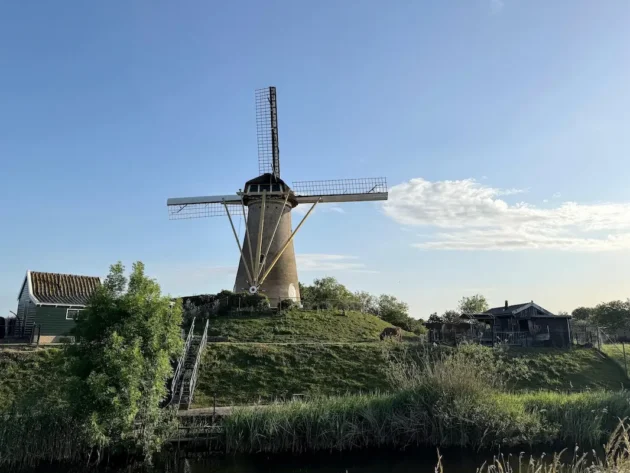
Any visitor to the Dutch capital willing to get out of the city and explore Amsterdam area, leaves inspired by beautiful nature, fascinating history, and resilient locals who built (and are still building) this country. Although I live in one of the most picturesque towns just a stone’s throw away from Amsterdam, I’m constantly surprised by how many new places there are to discover right on my doorstep. From medieval castles and colourful gardens to historic water defence lines and coastal villages, you will find it all here.
Amsterdam Area: Heritage Stories & Water History
I always encourage travellers visiting Amsterdam to look beyond the capital. Amsterdam is wonderful, but the real Netherlands waits just outside the city lines. And while many people visit Amsterdam area for a quick day trip, I highly recommend spending your entire next holiday uncovering this wonderful corner of the Netherlands. Keep on reading for some inspiration.
Haarlemmermeer: Engineering Marvels & Water Defence Lines
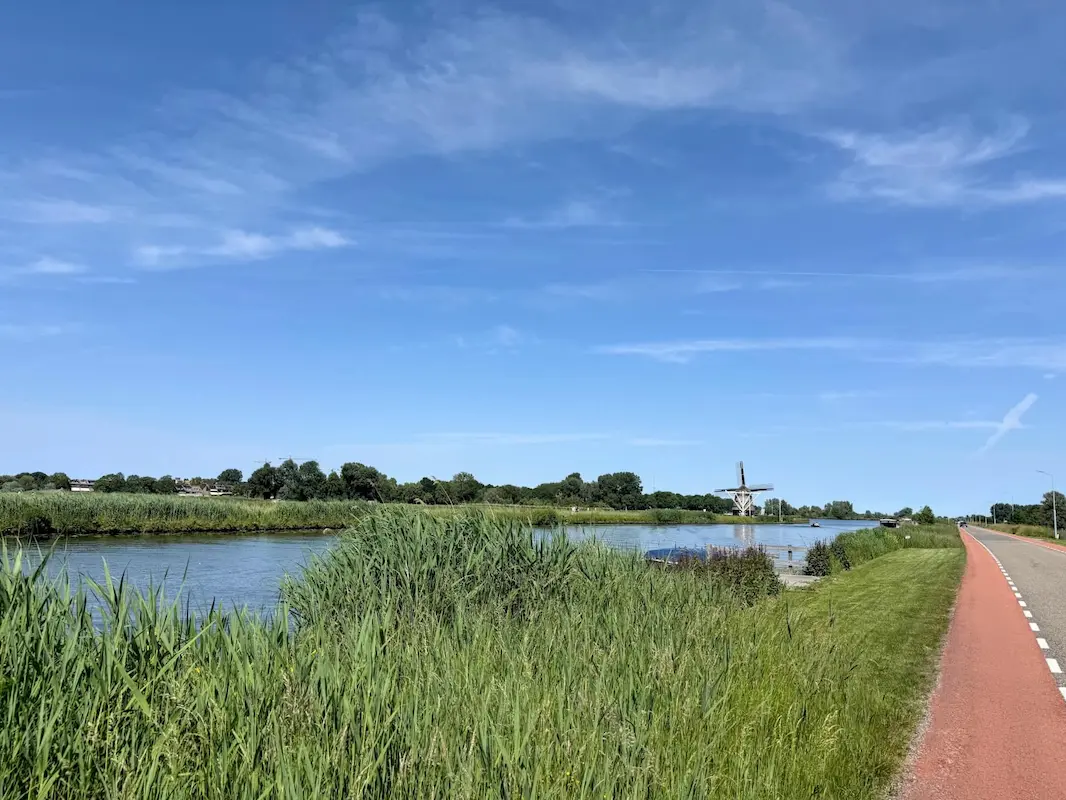
A perfect way to start your journey is by cycling through the serene nature of Haarlemmermeer. This is the classic, postcard-perfect Dutch countryside: flat, expansive polders, lovely winding canals, traditional windmills, and the occasional friendly herd of cows grazing in the fields.
Interestingly, the region gets its name from the massive Haarlemmermeer Lake that used to be there. Today, the area is a polder, land reclaimed from the water in the 19th century.
Before it was drained, the lake was a fierce, unpredictable body of water spanning 180 square kilometres (about 69 square miles). It earned the nickname the “Water Wolf” because violent storms would cause it to swallow nearby villages. Fearing the lake would eventually merge with the North Sea and flood Amsterdam, the Dutch government made a bold decision in 1839, they were going to tame it.
But how do you drain an inland sea using 19th-century technology? First, engineers dug a massive ring canal around the lake to redirect water traffic and built a protective dike with the excavated earth. Then, instead of relying on traditional wind power, they pioneered the use of revolutionary steam-powered pumping stations. Pumping began in 1848, and after four years of work, the land was finally dry.
The Cruquius Museum
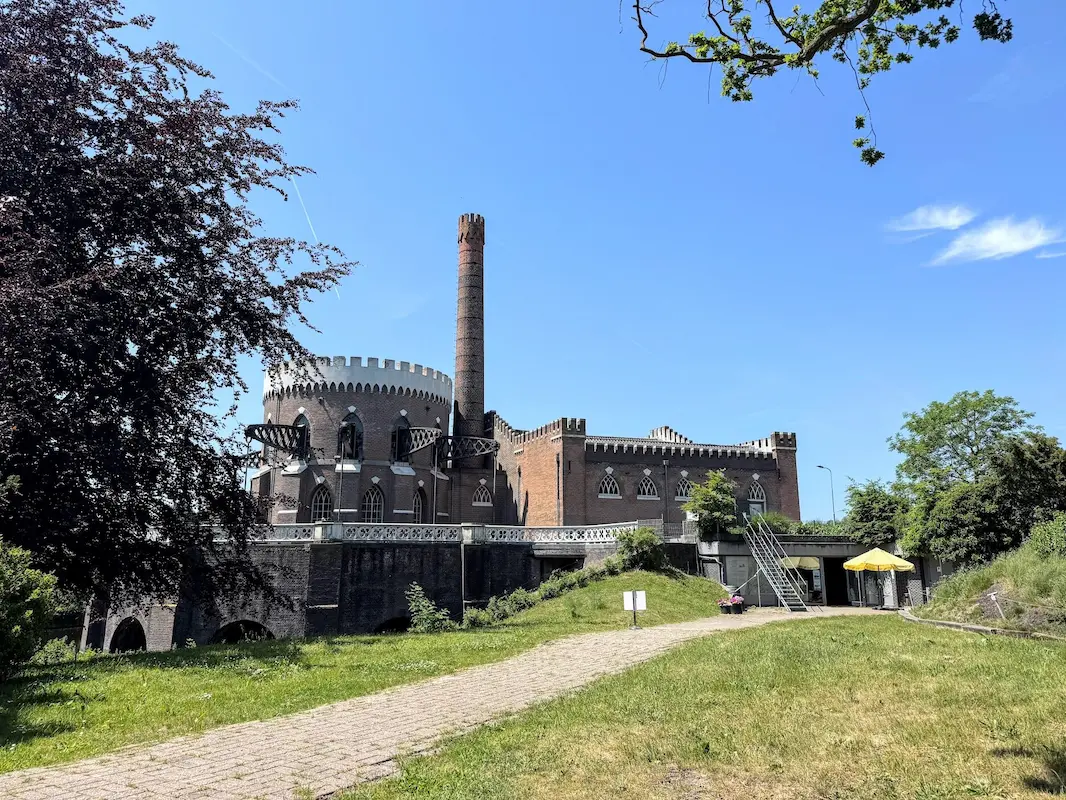
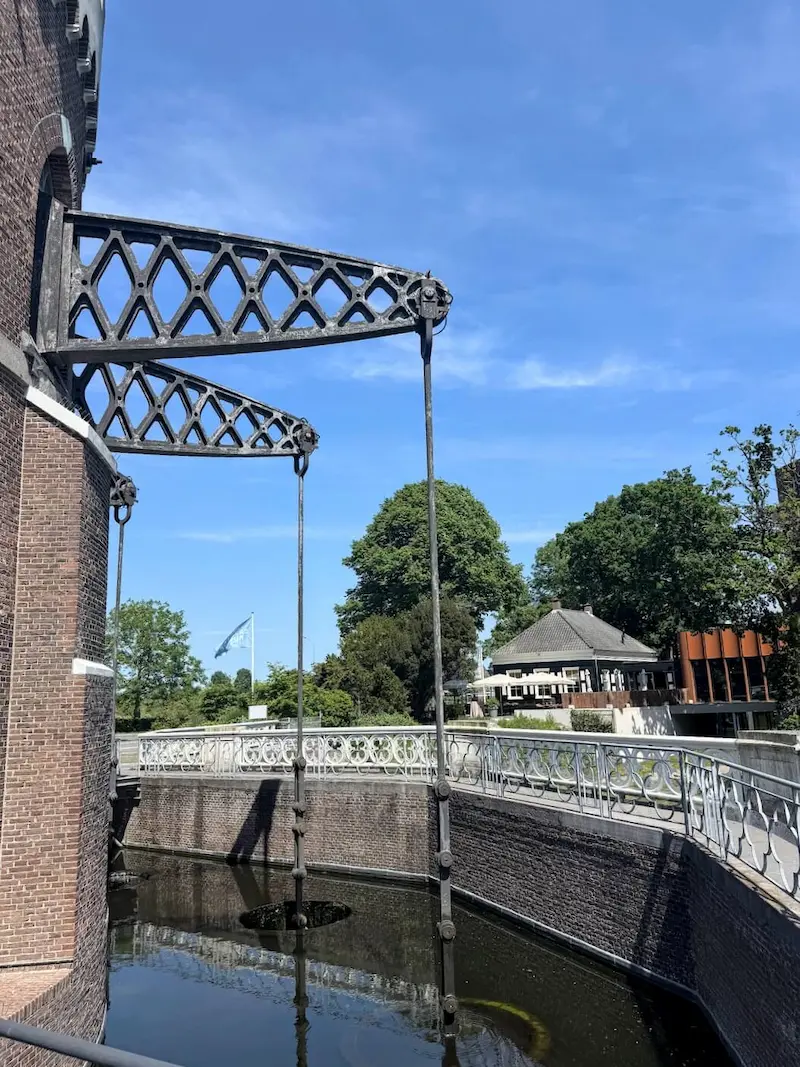
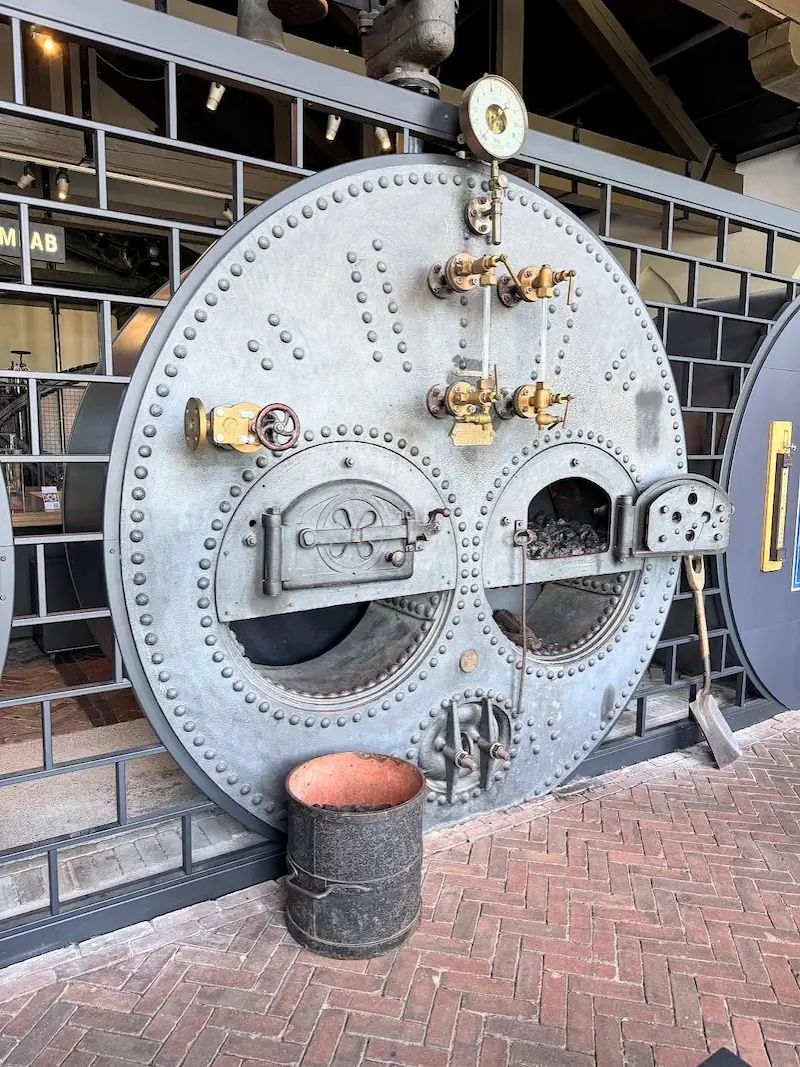
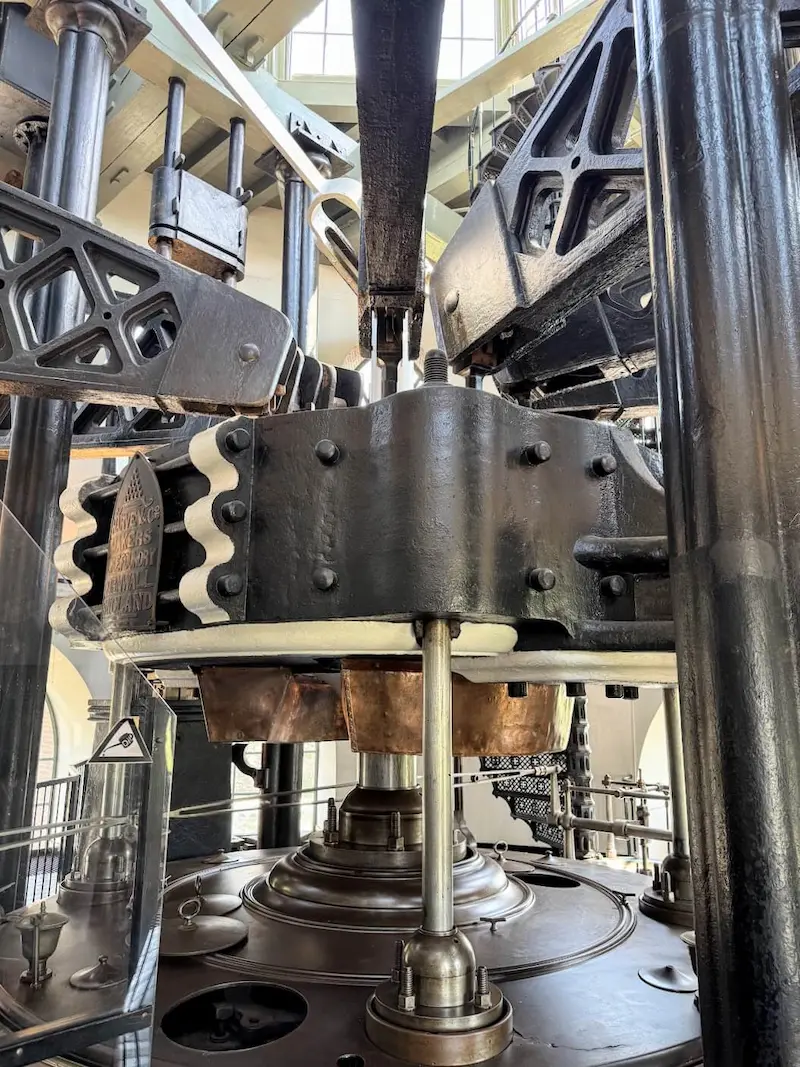
To truly understand this feat, head to the Cruquius Museum. It is housed inside one of the original steam pumping stations (the other two were unfortunately demolished) used to empty the lake. Inside, the exhibitions offer a great insight into Dutch water management, but the absolute highlight is watching a demonstration of the world’s largest Cornish steam engine. Seeing those massive iron beams move is fascinating.
The museum also tells the human story of what happened after the water vanished. It is fascinating to imagine the first pioneer farmers who moved here, establishing lives four metres below sea level. I could still feel a deep enthusiasm for these historical innovators in the way our museum guide explained the mechanics. It leaves you with a profound realisation, if the modern pumps were to stop working today, this entire region would be underwater within a year.
⤷ TIP: Stop for coffee or lunch at the Theehuis Cruquius, located right next door. You’ll have a wonderful view of the Cruquius steam pumping station from it. Or, if you’ll sit at its terrace, you can enjoy a canal view on the other side.
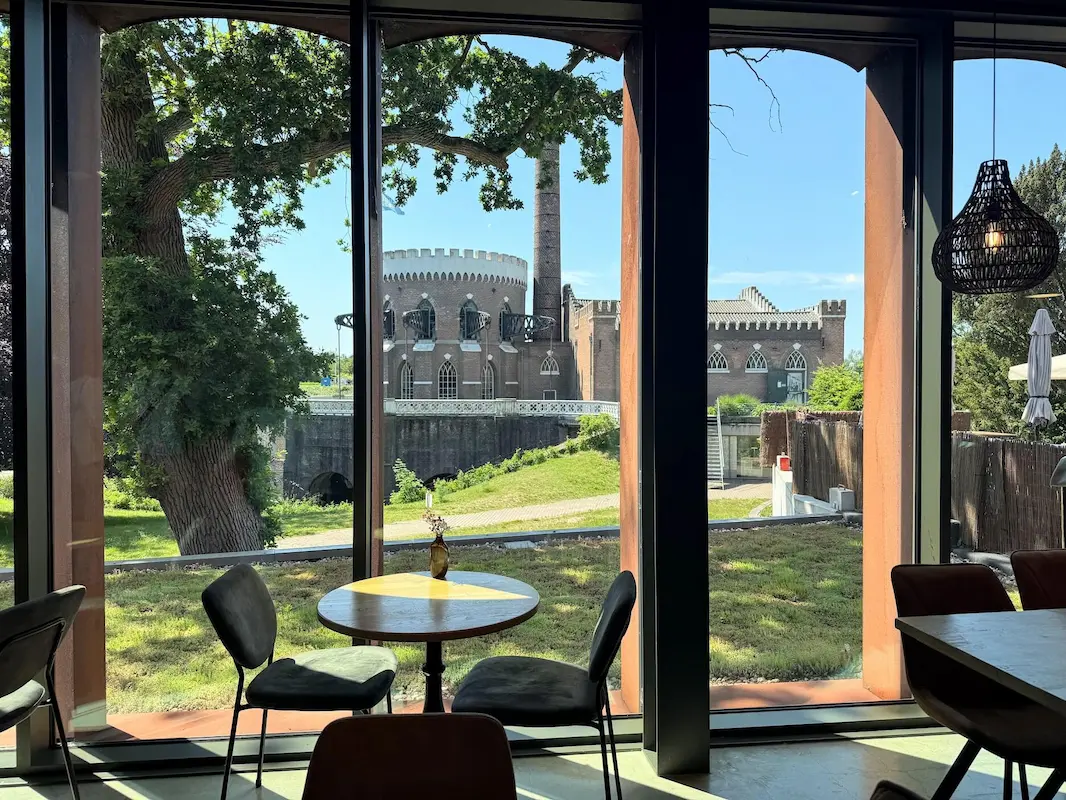
The Cruquius Museum is also the perfect starting point to explore another engineering marvel, the Defence Line of Amsterdam (Stelling van Amsterdam). Built between 1880 and 1920, this 135-kilometre ring of fortifications was designed to protect the capital. In the event of an enemy invasion, the Dutch planned to deliberately flood the surrounding countryside to a depth of about 50 centimetres. This was a precisely calculated number: the water would be too deep for soldiers and horses to march through, but too shallow for enemy boats to navigate. The entire fortification system was designated a UNESCO World Heritage Site in 1996.
⤷ Read more: Fortress Island Pampus – Where History Meets a Sustainable Future
Kunstfort Vijfhuizen
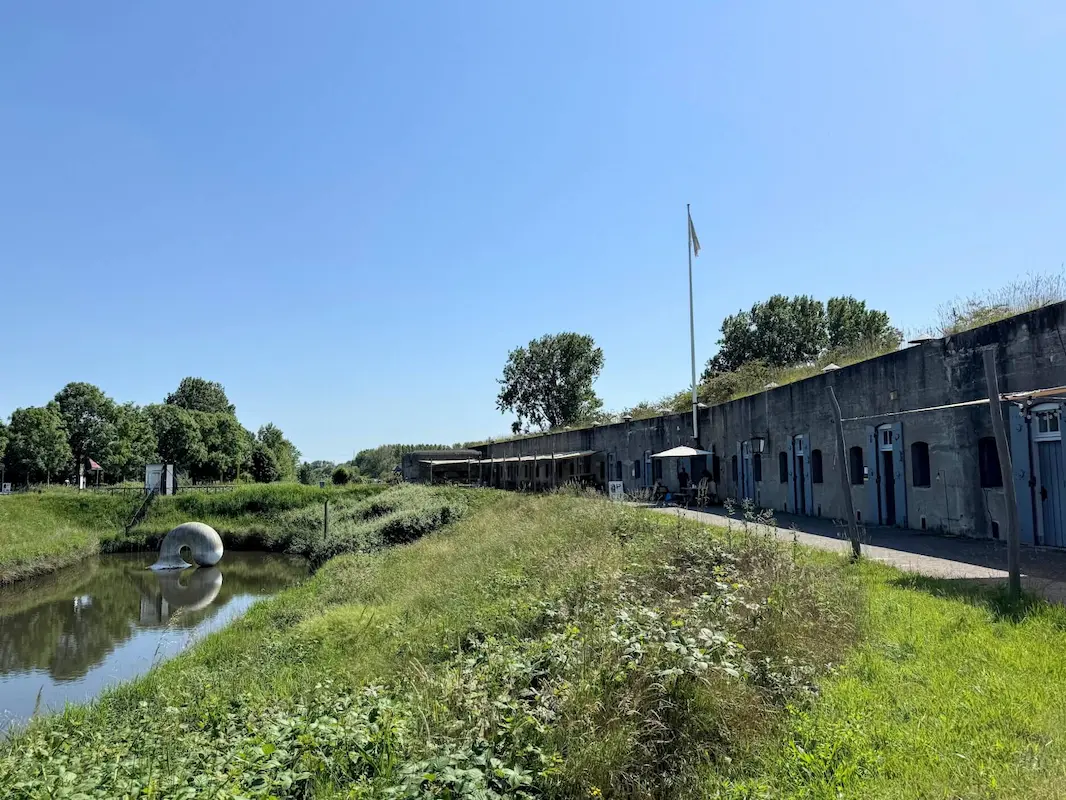
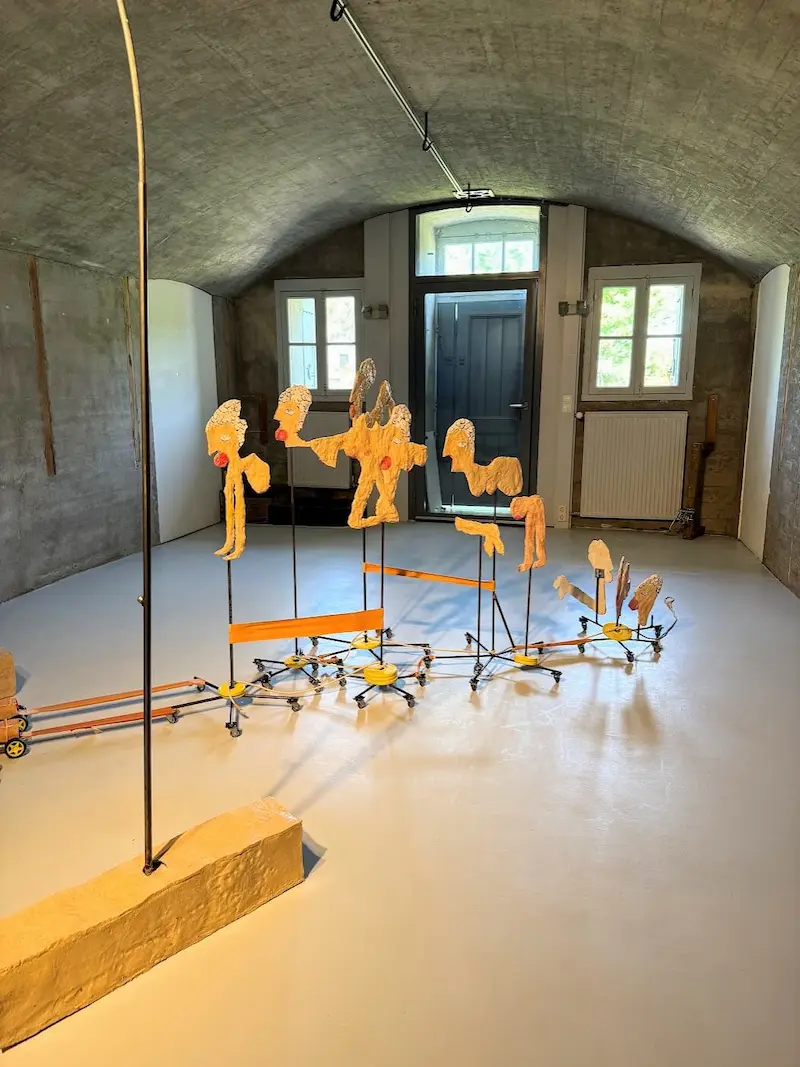
A pleasant 15-minute bike ride from Cruquius brought us to our next stop, the Kunstfort Vijfhuizen. Constructed between 1889 and 1897 as part of the Amsterdam Defence Line, it was one of the very first concrete structures in the Netherlands. Walking around, the fort’s massive walls and surrounding moat give you a clear idea of how this military shield operated.
Today, this former military stronghold has been reborn as a tranquil oasis for contemporary art. The fort hosts regular exhibitions that juxtapose modern art against the historic bunker architecture, breathing vibrant new life into the concrete halls.
⤷ TIP: Read more about the fort, opening hours, and upcoming events and exhibitions on this link.
Haarlemmermeerse Bos
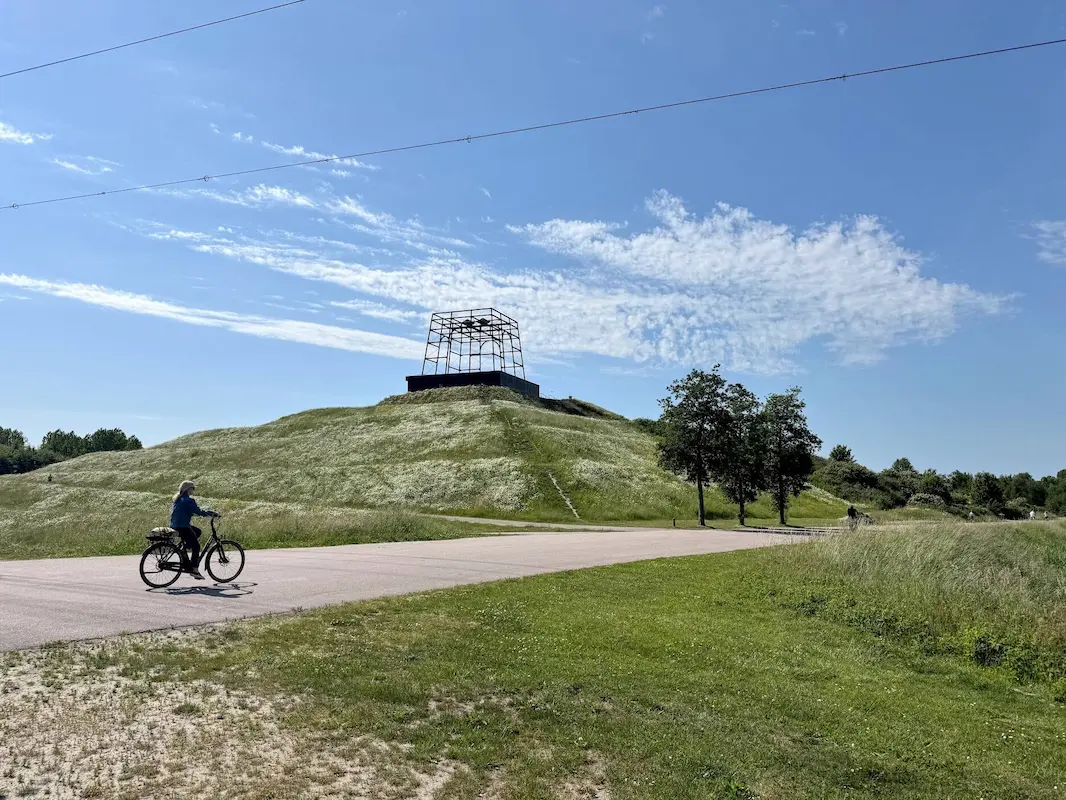
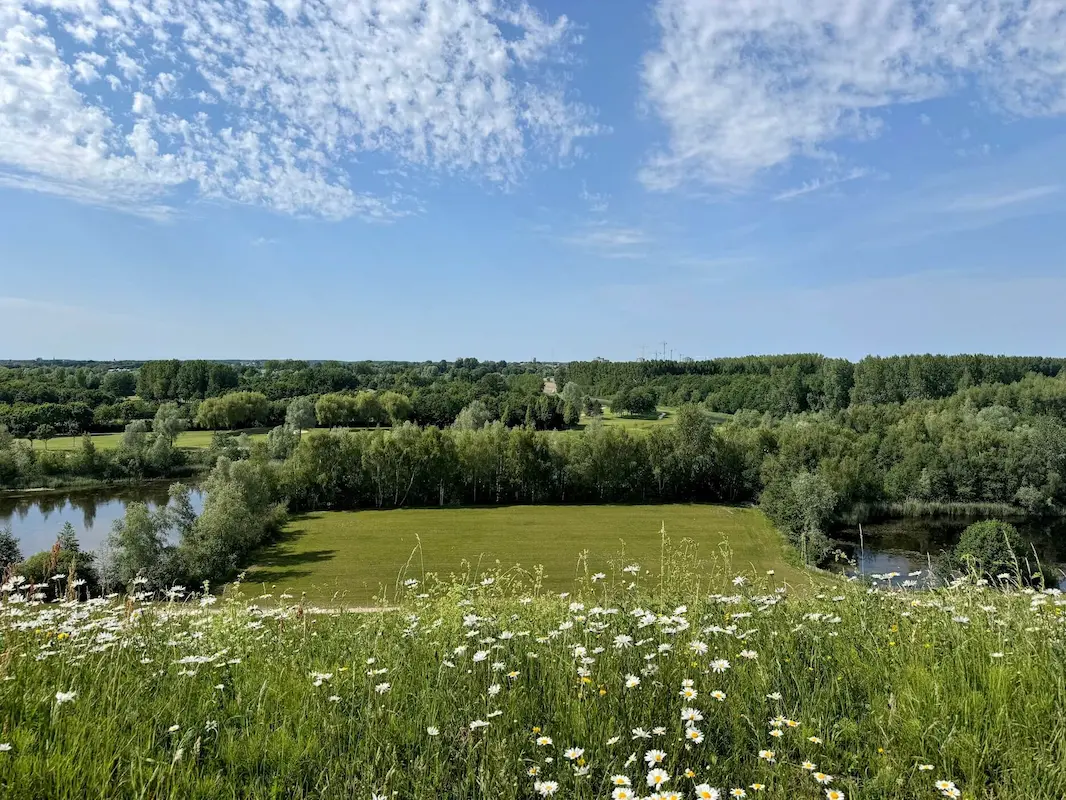
Haarlemmermeer Woods (or Haarlemmermeerse Bos in Dutch) is the largest public park in the area. It’s a wonderful place for a bike ride, especially if you are a traveller who feels a bit intimidated by the frantic pace of cycling in central Amsterdam. Here, the paths are wide, peaceful, and surrounded by beautiful nature.
It’s also home to a large lake where you can have a picnic, sunbathe or even swim in warmer months. A fun place to explore is Spotter’s Hill, which is a 40-meter man made hill. Climbing to the top rewards you with a panoramic view of the entire polder landscape. On a clear day, you can see all the way to the skylines of Haarlem and Amsterdam.
Dinner at Fort Noxx
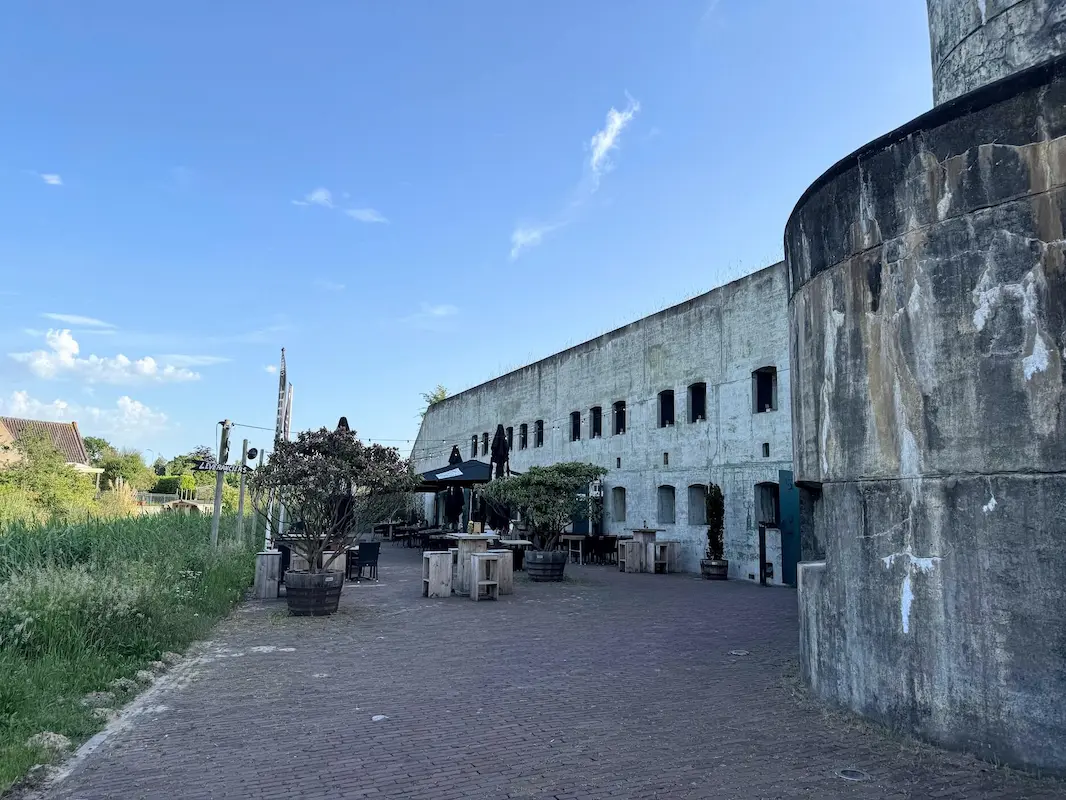
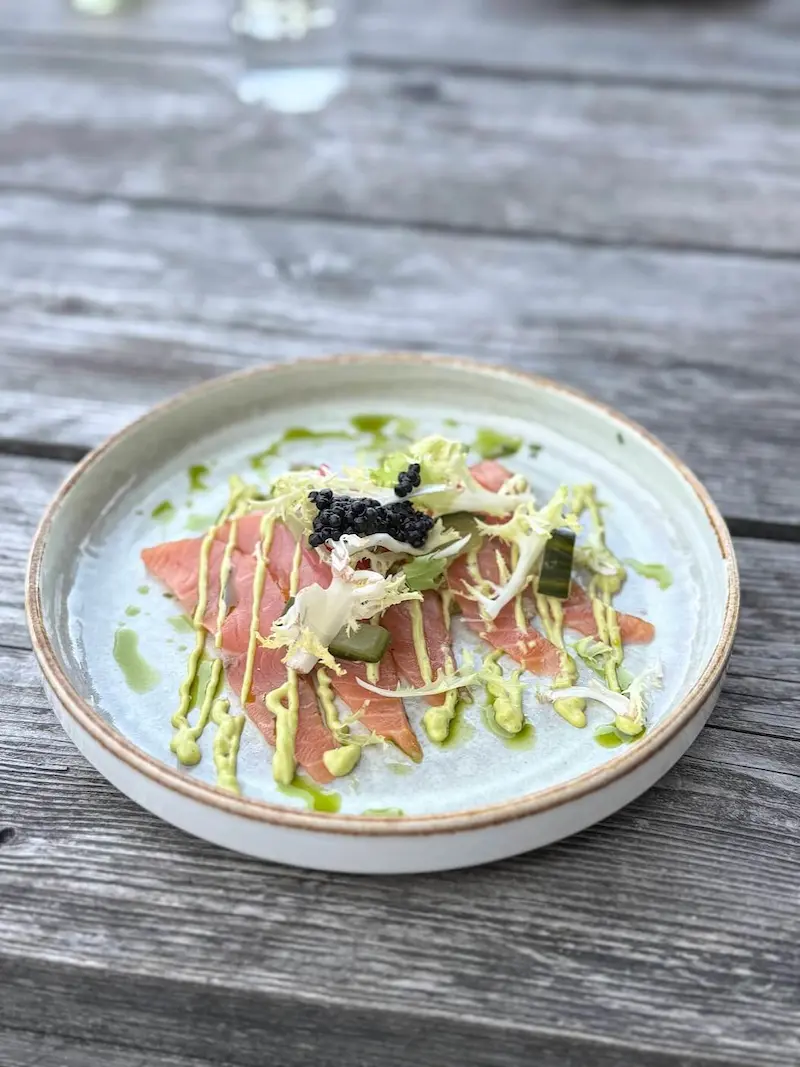
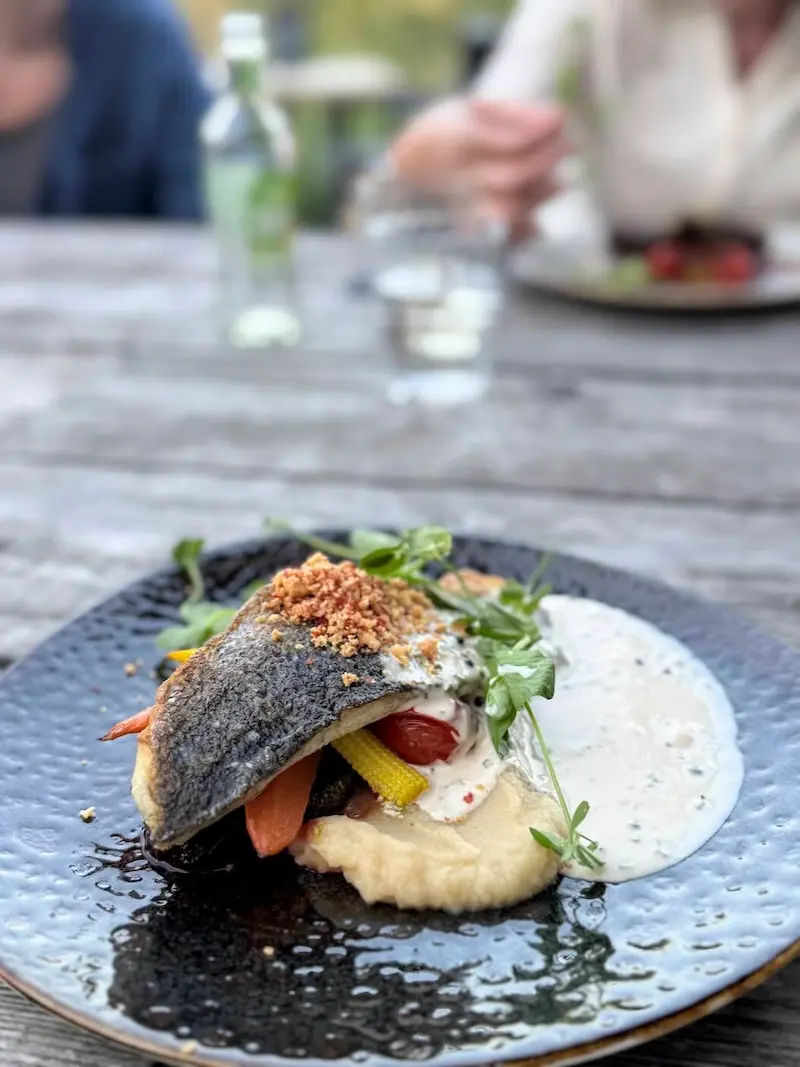
The old fortifications of the Defence Line serve all kinds of unique purposes today, ranging from wellness saunas to cultural centres.
For dinner, I visited Fort Hoofddorp. Originally built in 1904, this historic structure underwent an extensive restoration project and reopened in 2012, as a lovely restaurant called Fort Noxx.
Zandvoort: Coastal Soul & Fishermen’s Footsteps
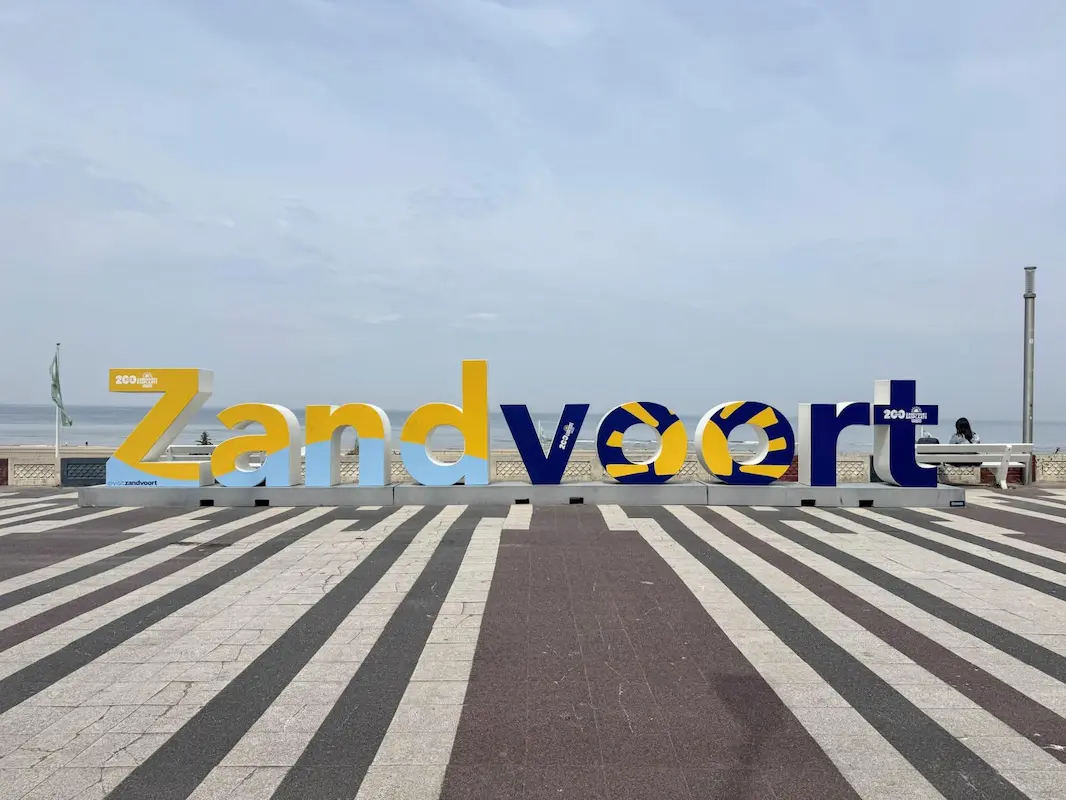
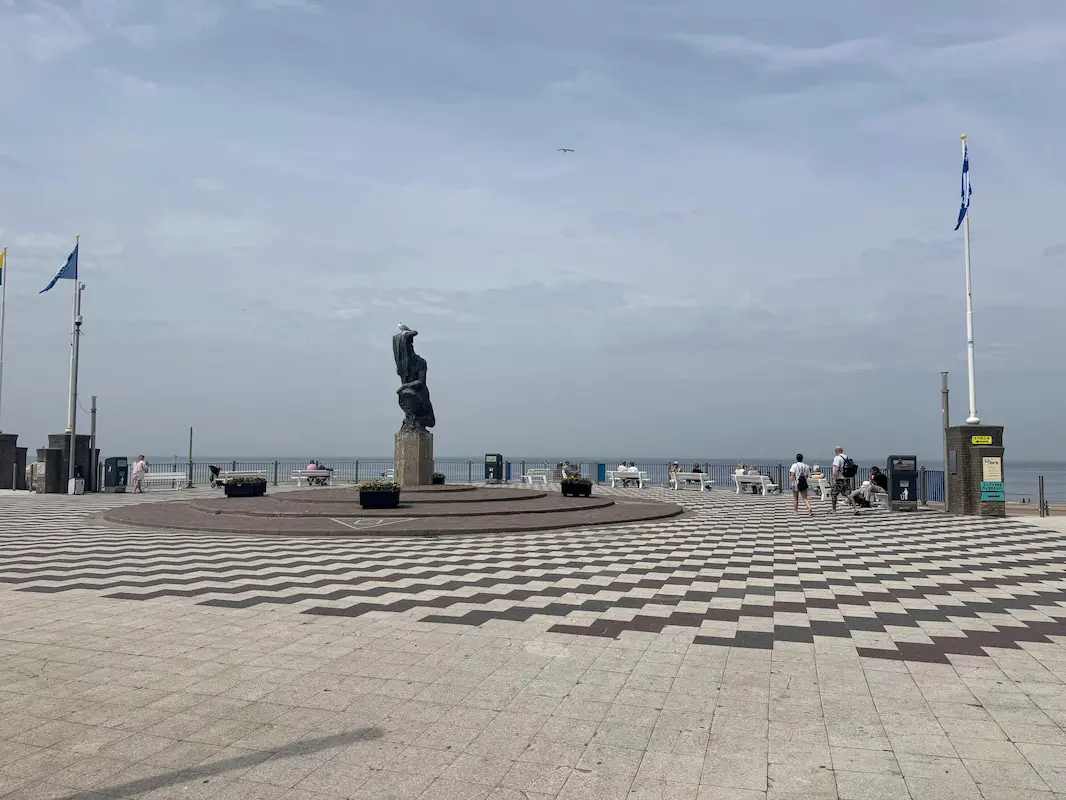
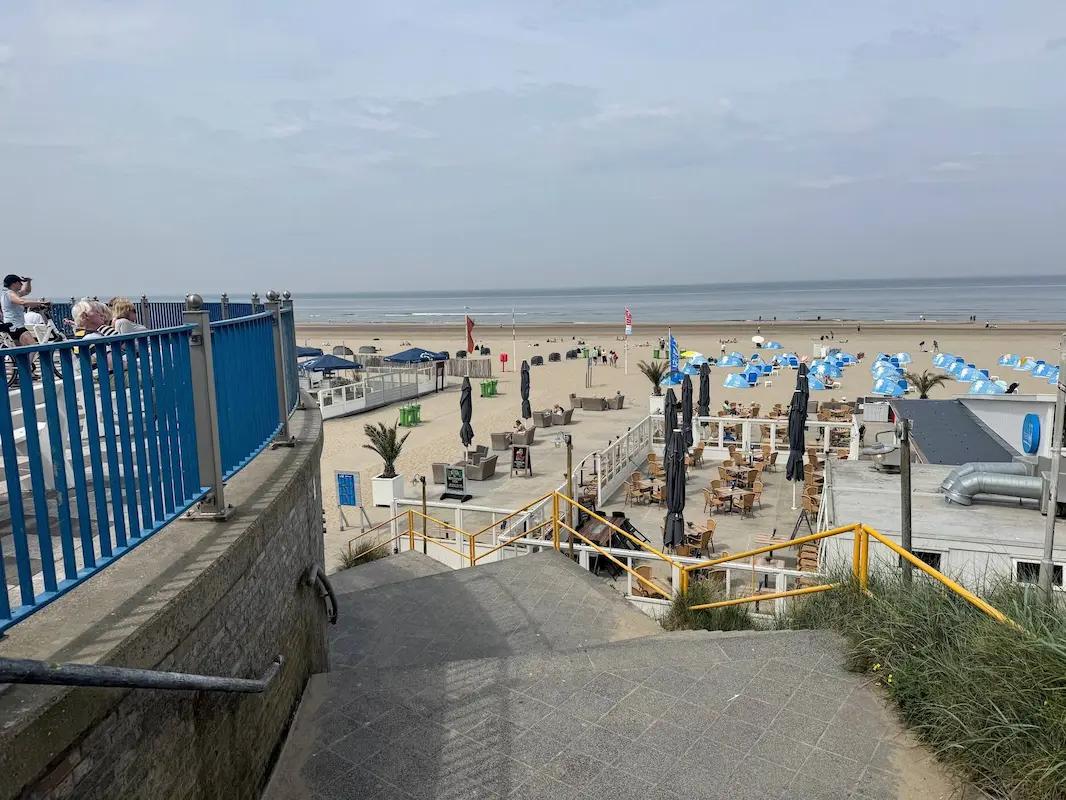
The beauty of the Amsterdam Area lies in its wonderful diversity. After a good night’s sleep, I headed west toward the North Sea coast. Zandvort is widely celebrated as one of the most beloved seaside resorts in the Netherlands, often called “Amsterdam Beach.” Its vast sandy beach is perfect for swimming and sunbathing in summer months, though my personal favourite time to visit is winter, when you can enjoy brisk walks along the shore.
While I visit the beach often, I rarely took the time to explore the historic town tucked neatly behind the beach bars. I was completely surprised by it! Beyond the shore lies a maze of narrow streets filled with gorgeous historic homes and an unexpected wealth of public art, from great murals to a dedicated sculpture route showcasing local artists.
Once there, you quickly realise, Zandvoort is far more than just a sandy beach.
The Zandvoorts Museum
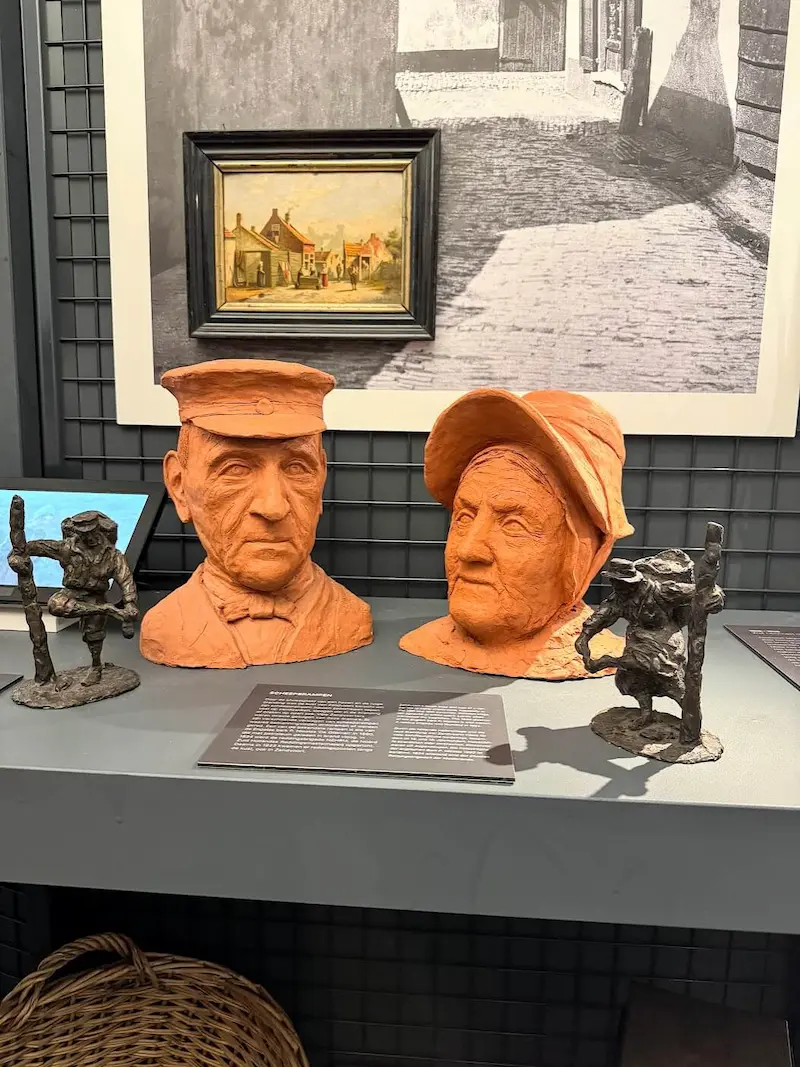
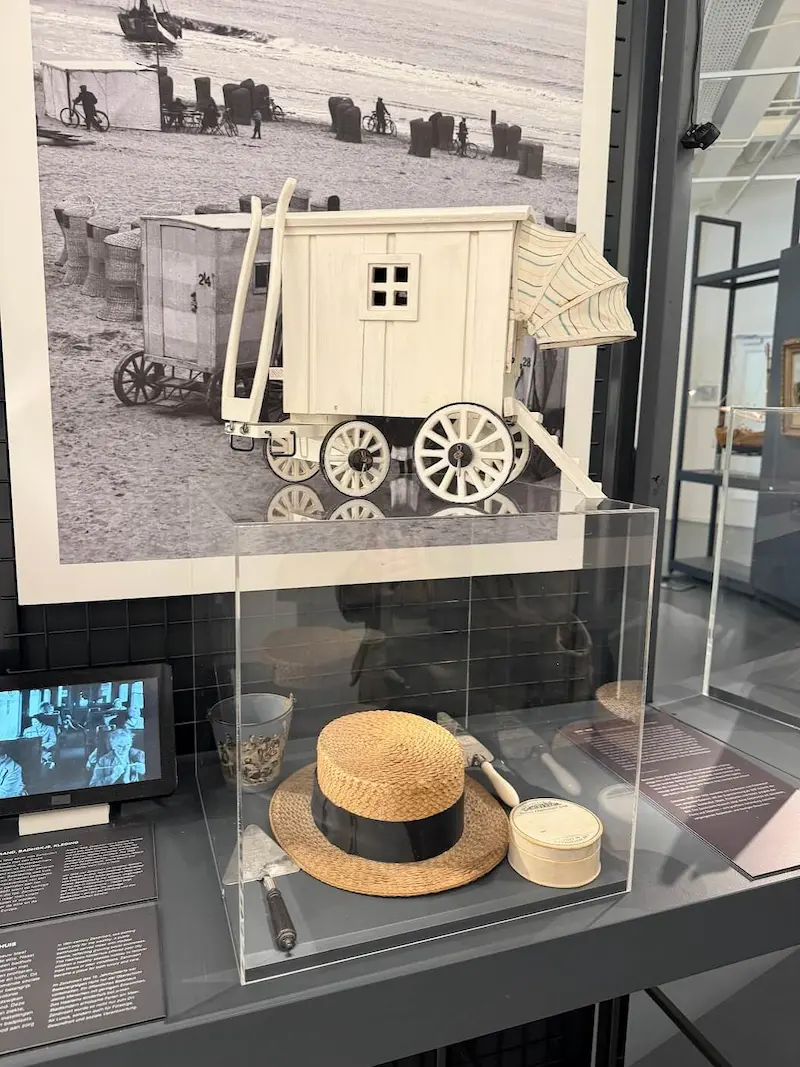
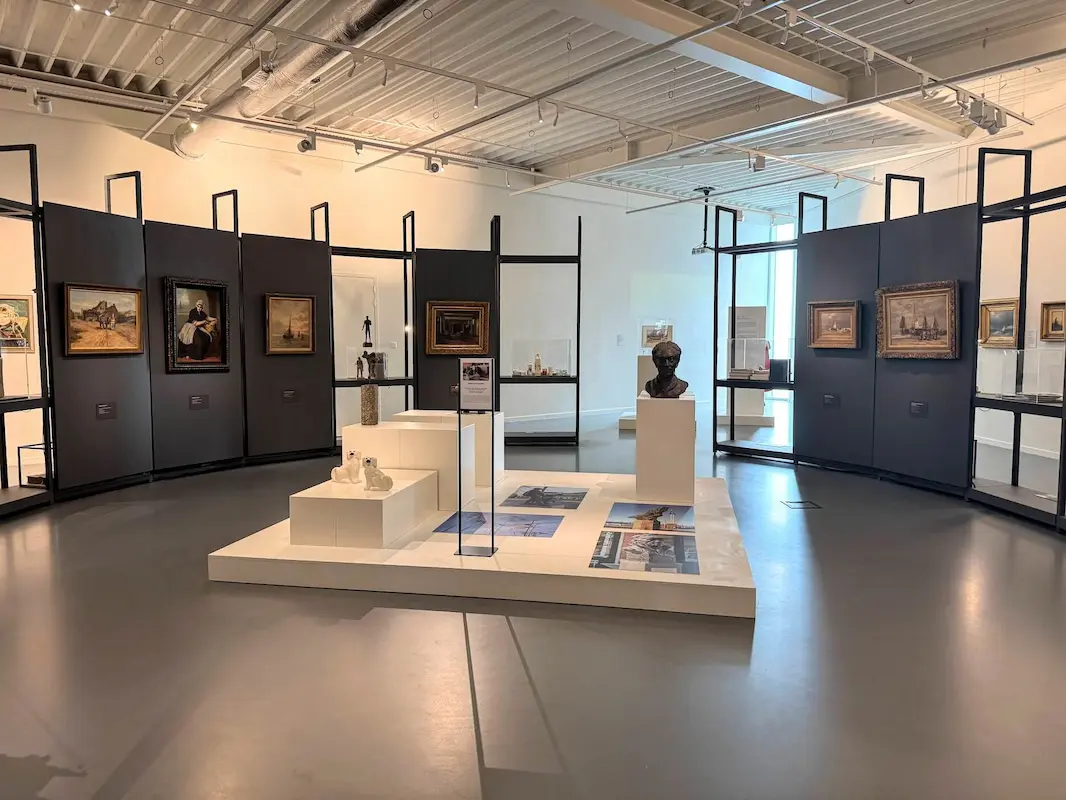
My first stop was the Zandvoorts Museum, a must-see place to learn more about the town’s art and history. Long before it became a bustling tourist destination, Zandvort was an isolated fishing village. The museum houses beautiful artifacts from that time, including delicate ship models and maritime paintings that make you feel as though you have stepped back in time.
The museum also chronicles the town’s transition into a high-society resort in the 19th century. Wealthy travellers flocked here, including the famous Austrian Empress Sisi and Kaiser Wilhelm II. The reason for this boom was the train line, which connected Zandvoort directly to Amsterdam and later international hubs like Basel, Switzerland. From the family photos, we know that before the Second World War, Anne Frank and her family would also visit the beach of Zandvoort.
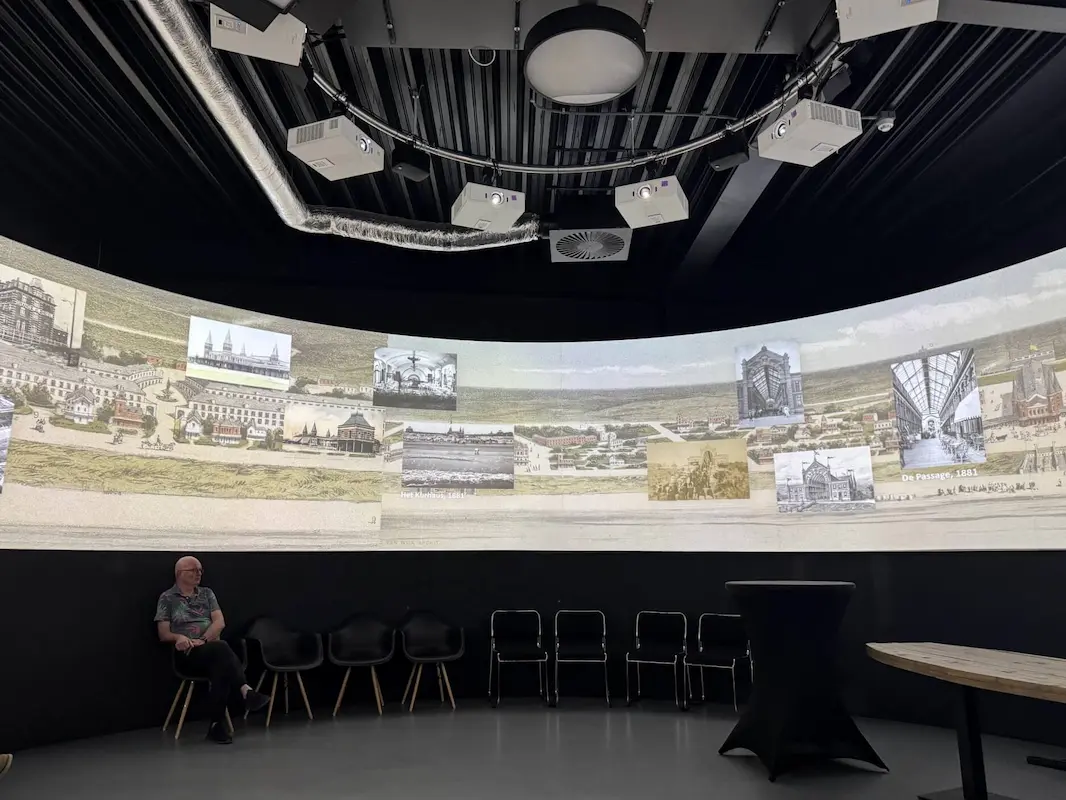
Sadly, much of its glamorous coastal architecture was demolished during the Second World War when Nazi forces cleared the seafront to construct the Atlantic Wall. This explains why the modern coastline is lined with mid-century apartment blocks rather than historic villas. To bridge this gap, the museum features an incredible 360-degree film titled Panorama Zandvoort, which beautifully captures the visual evolution and seasonal changes of the town.
⤷ TIP: The Zandvoorts Museums is home to a wonderful gift shop. It’s a great spot to look for well-designed, artistic souvenirs that celebrate the town’s unique heritage.
The “Sloppies” Walking Tour
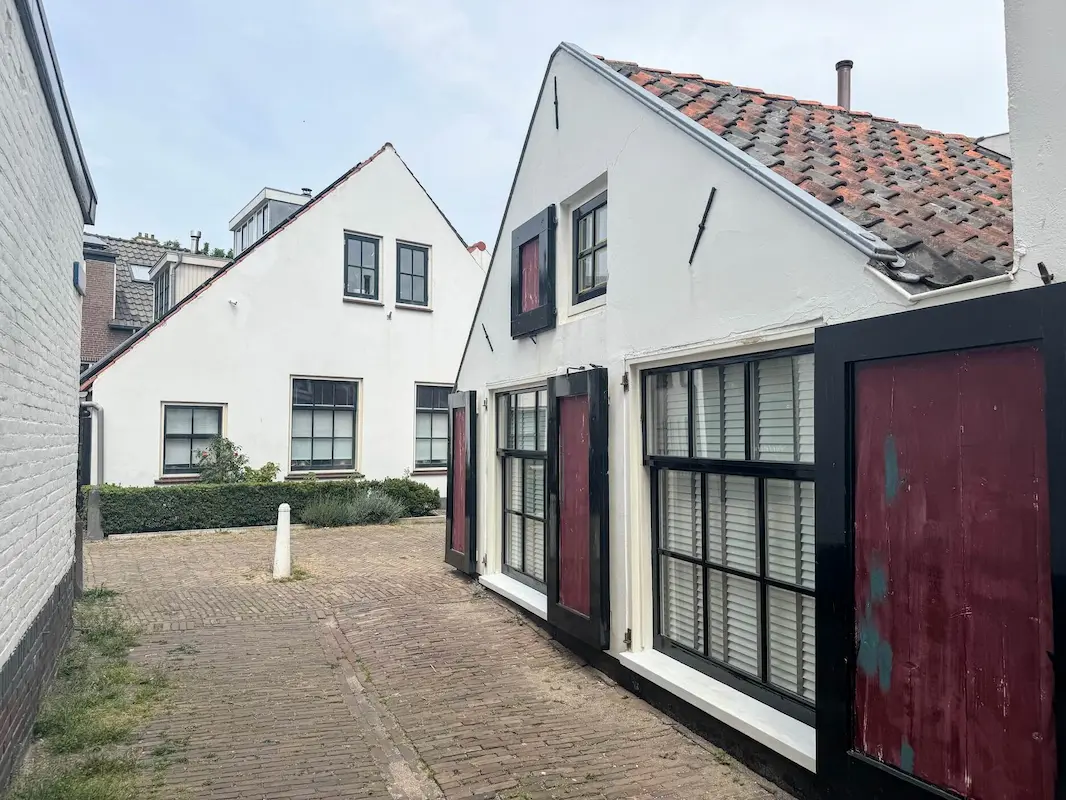
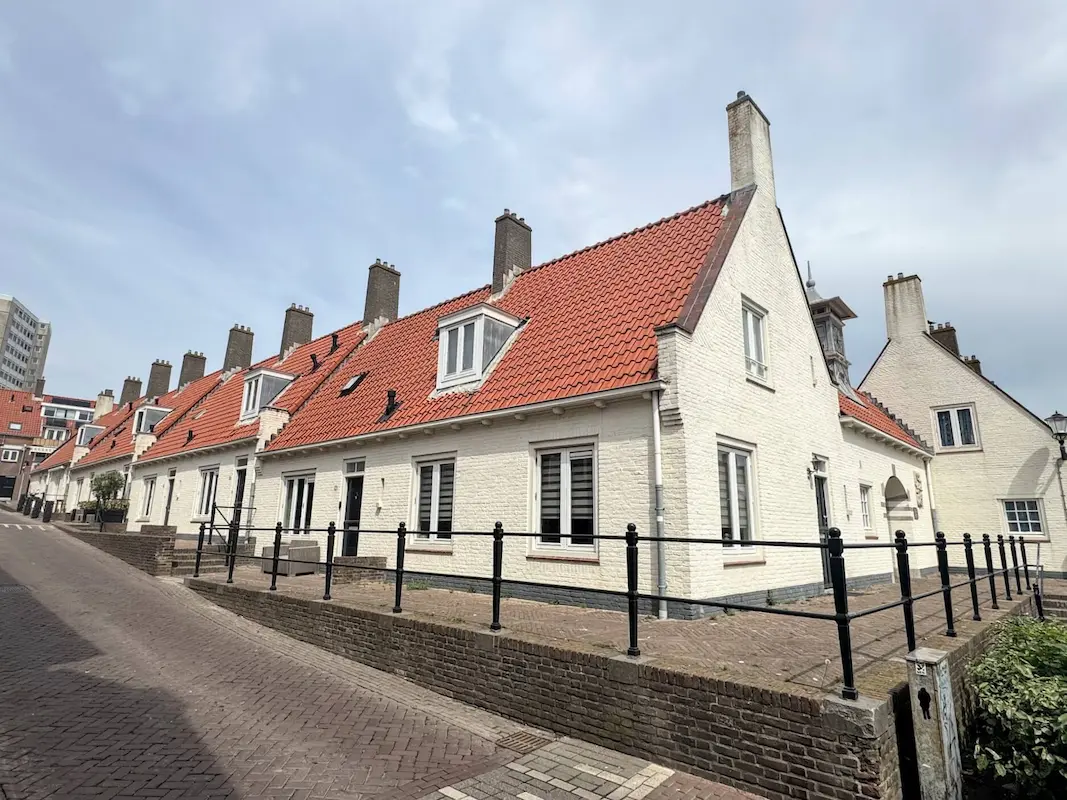
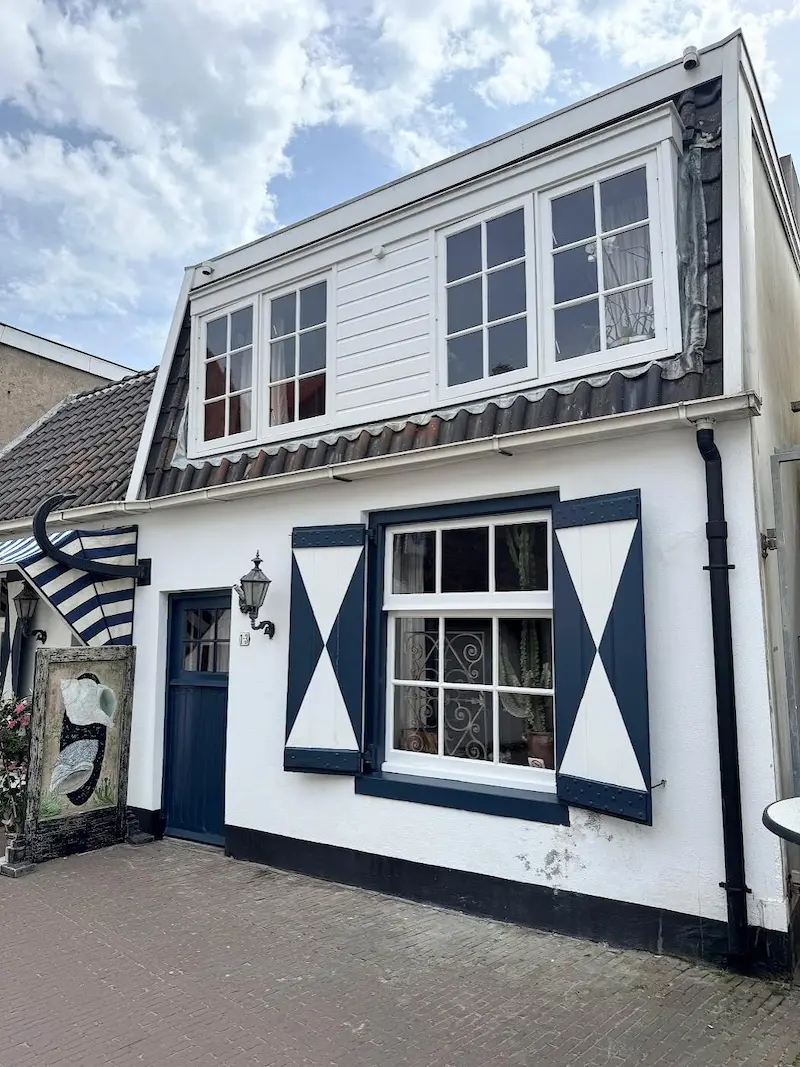
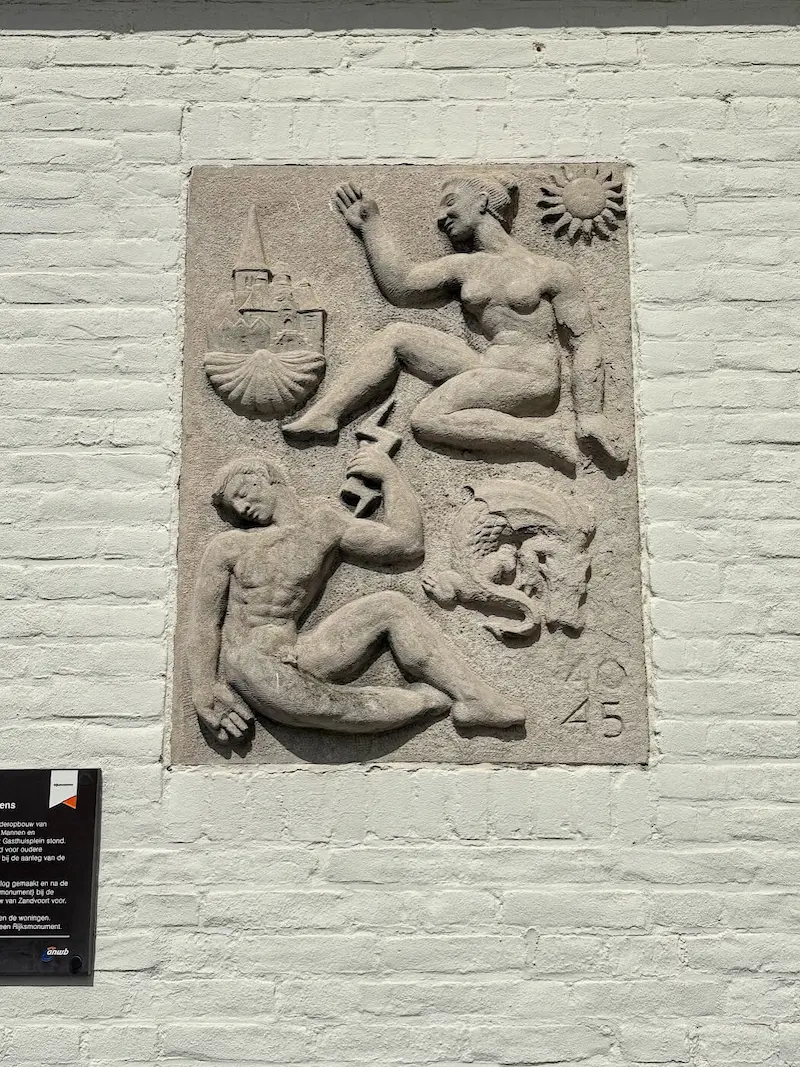
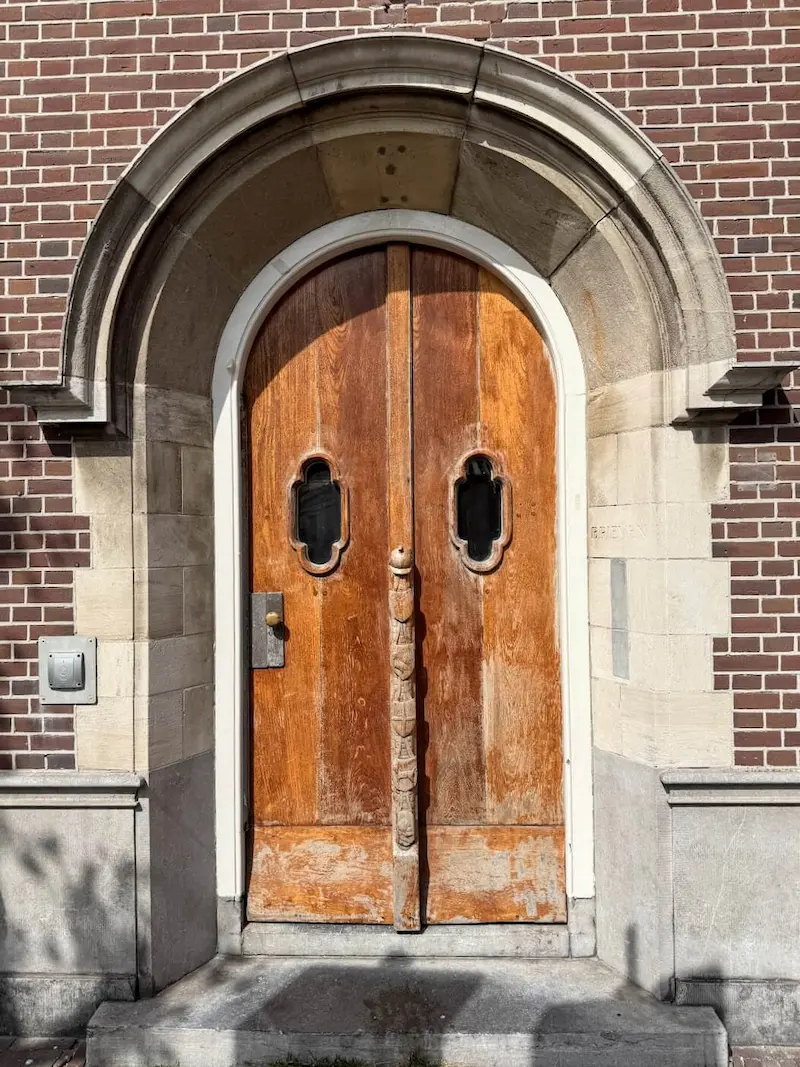
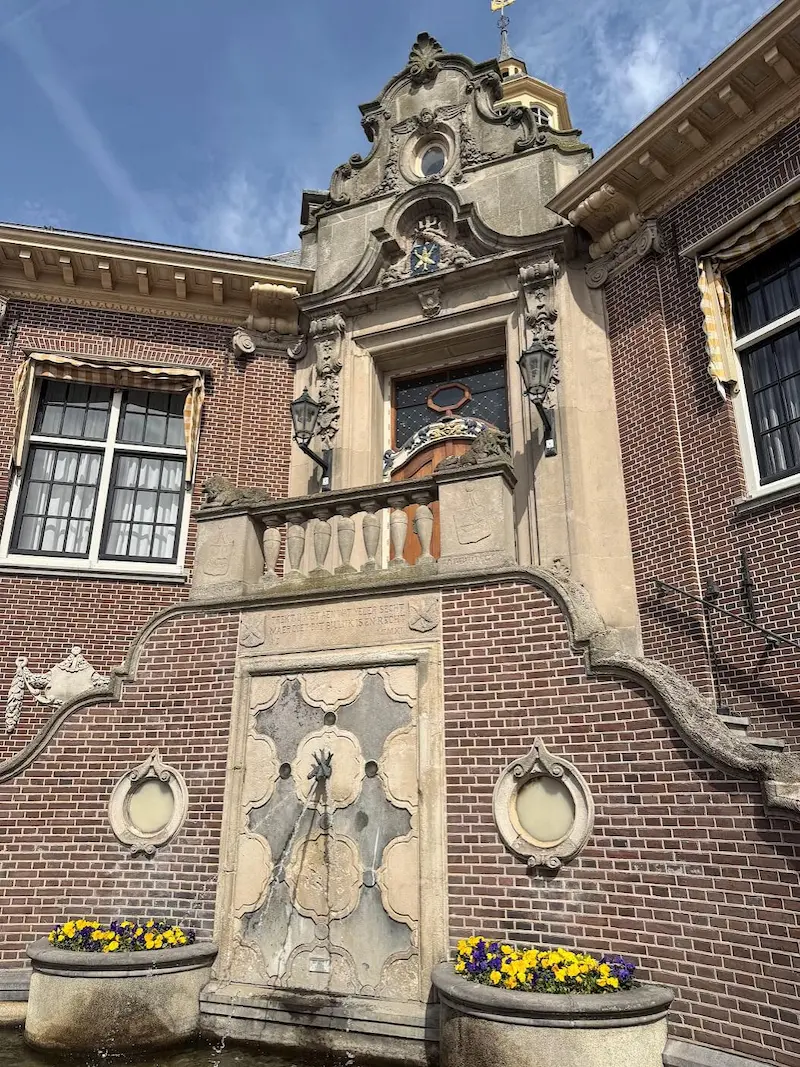
After learning about its history at a museum, I joined a guided walking tour through the old centre to look for the sloppies, the narrow, hidden alleyways where old fishermen’s houses still stand. There is a beautiful contrast between the vibrant energy of the modern beach boardwalk and the quiet, nostalgic charm of these historic streets. Many of these low-roofed cottages have window frames painted in a rich, traditional Dutch dark green, making them incredibly photogenic.
⤷ TIP: After all the exploring, have lunch at Cafe Deight. Although located in the house from 1890, its interior is beautifully modern designed. The food is great and offers a perfect spot to relax in the centre of Zandvoort.
Laag Holland: Postcard Villages & Traditional Living
Leaving the coast behind, I continued my trip north of Amsterdam into Laag Holland, a region characterised by historic cheese markets, traditional wooden architecture, and slow-paced village life.
Volendam
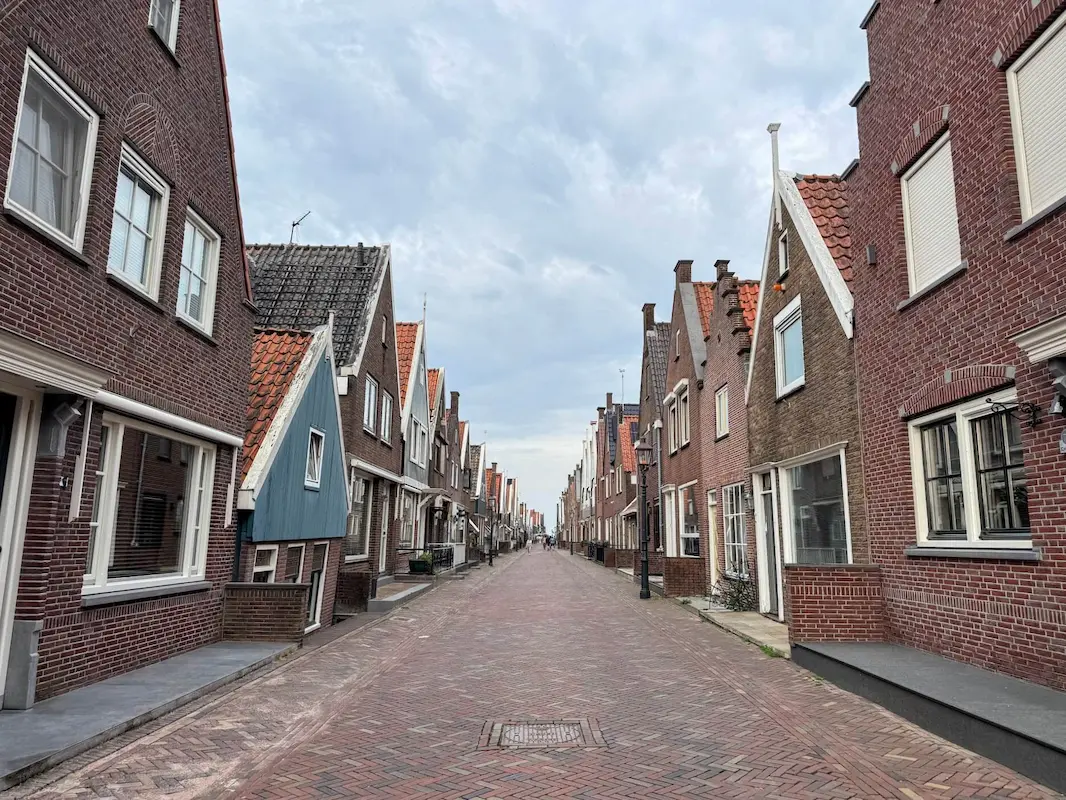
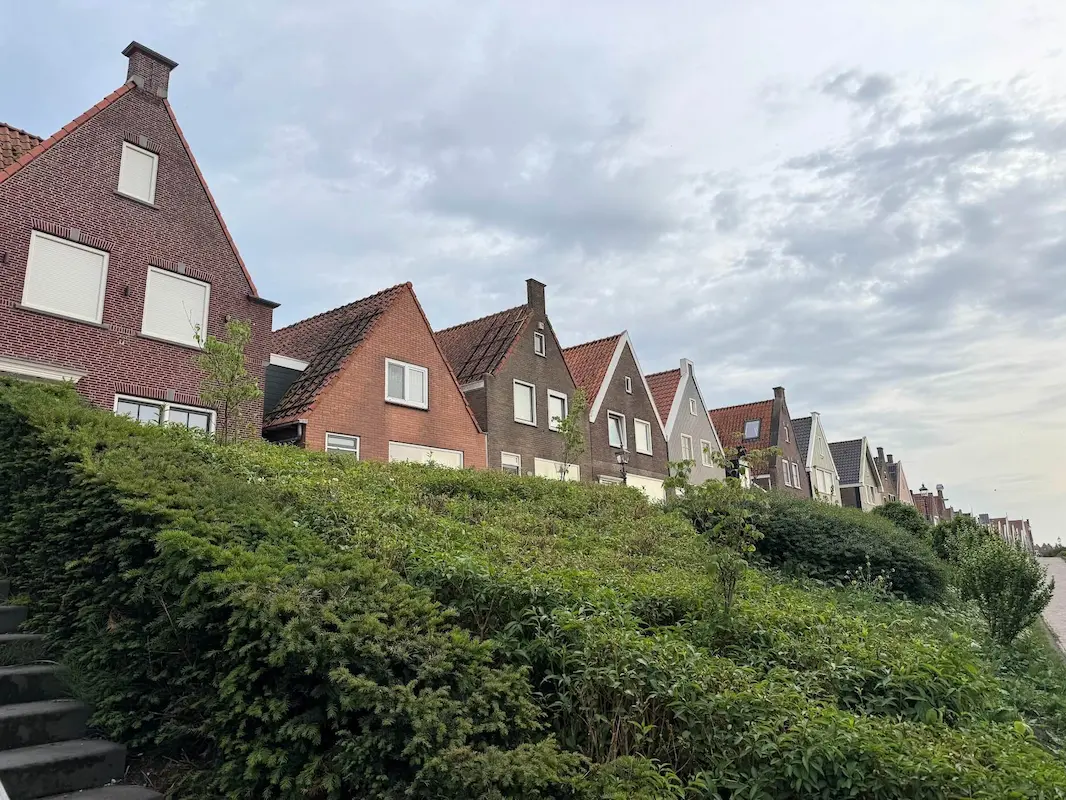
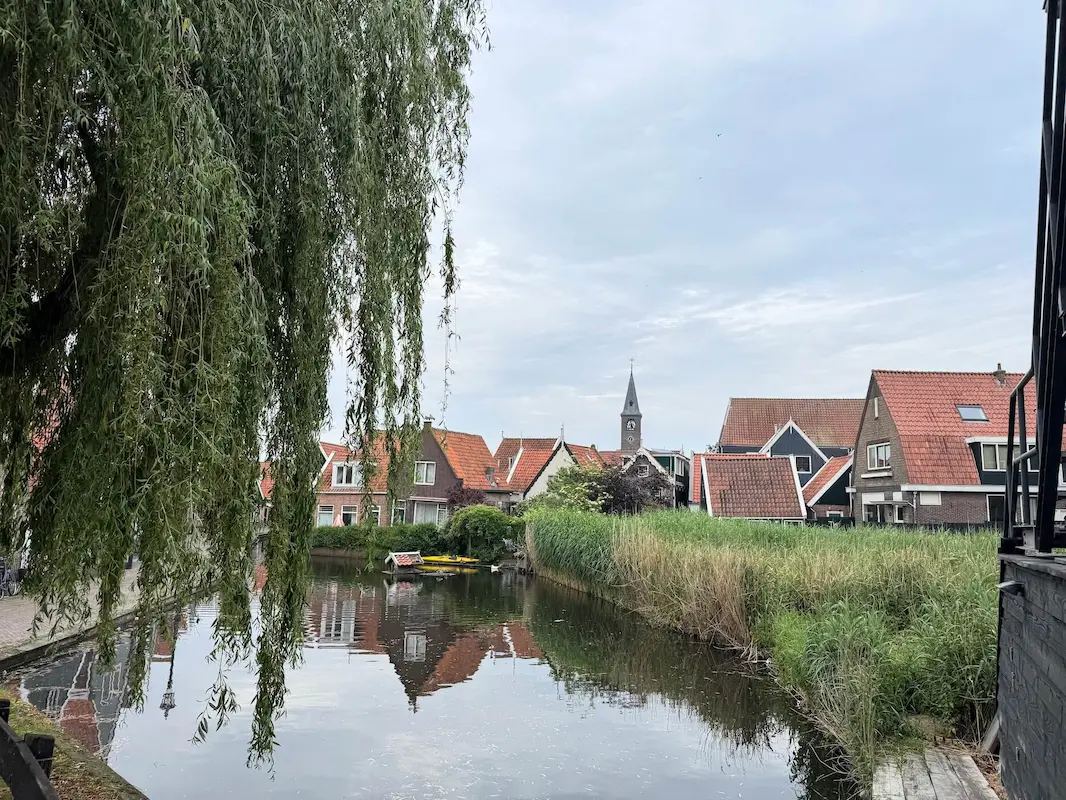
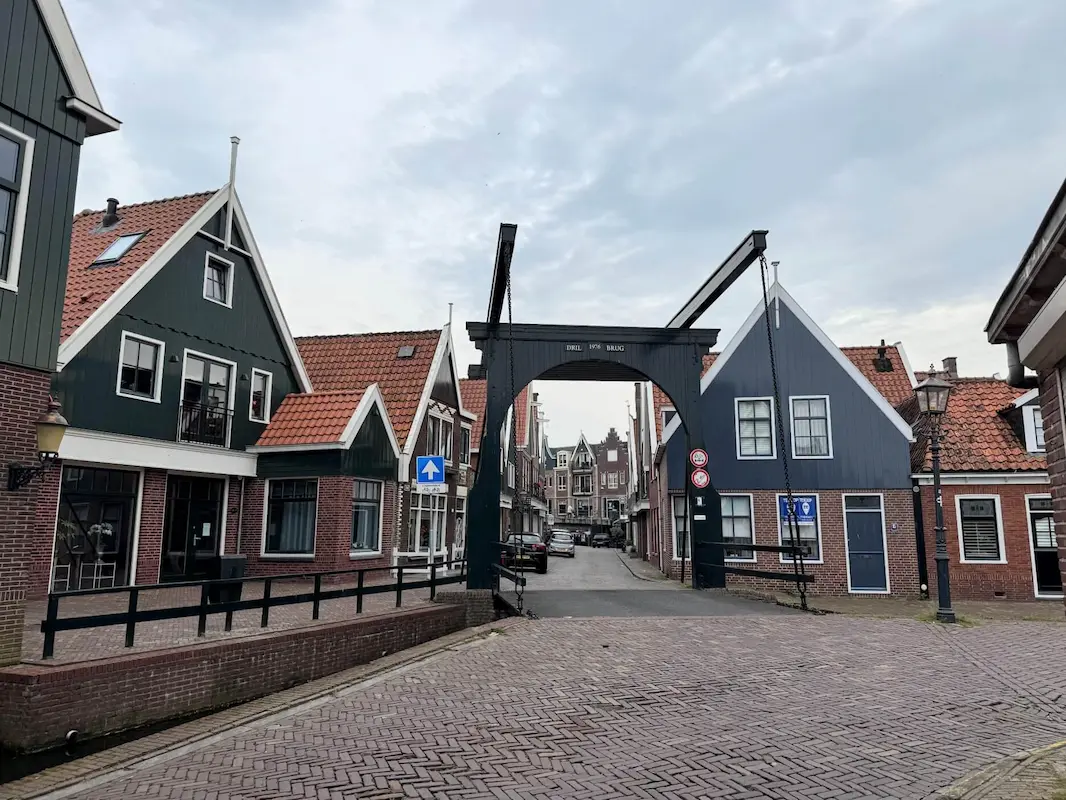
Volendam is one of the most famous fishing villages in the Netherlands. Its bustling harbour is packed with ships, their tall masts cutting a striking silhouette against the water. Walking away from the main harbour area, you get lost in a labyrinth of tiny, winding streets lined with immaculate brick houses.
Volendam is also home to one of the most recognisable traditional costumes in the country, often displayed in postcards from the Netherlands. Known as Volendammer klederdracht, it is instantly recognisable by the women’s high, pointed lace bonnets.
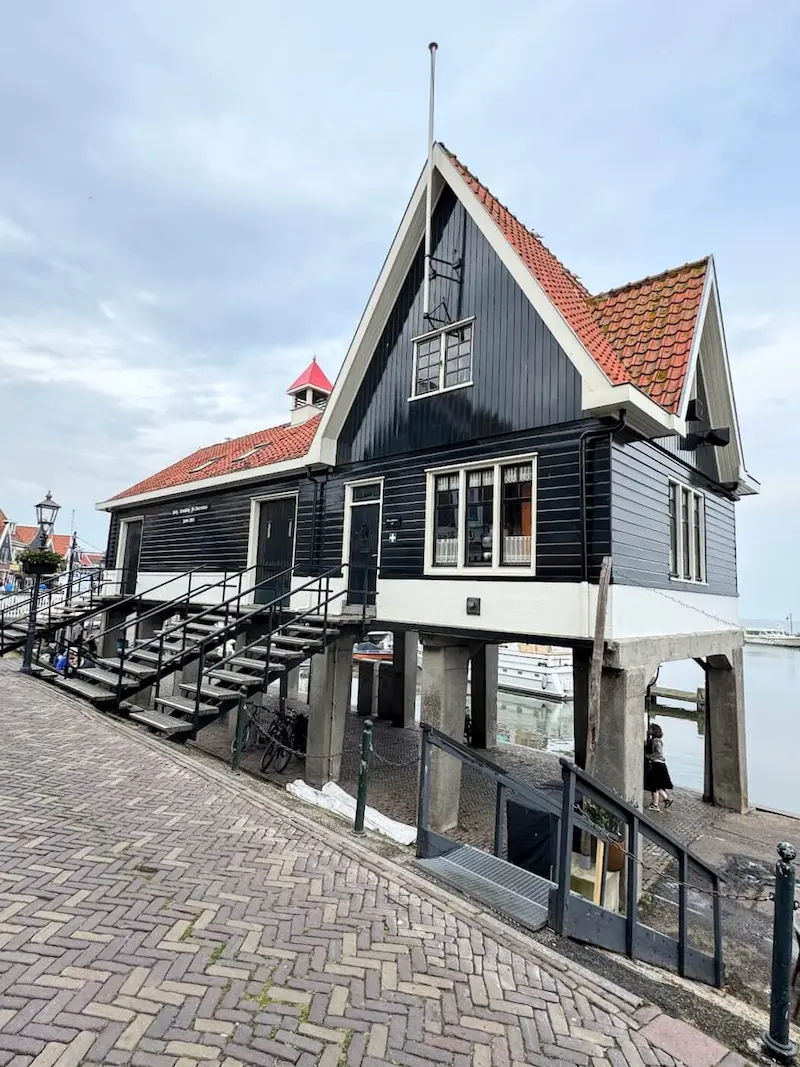
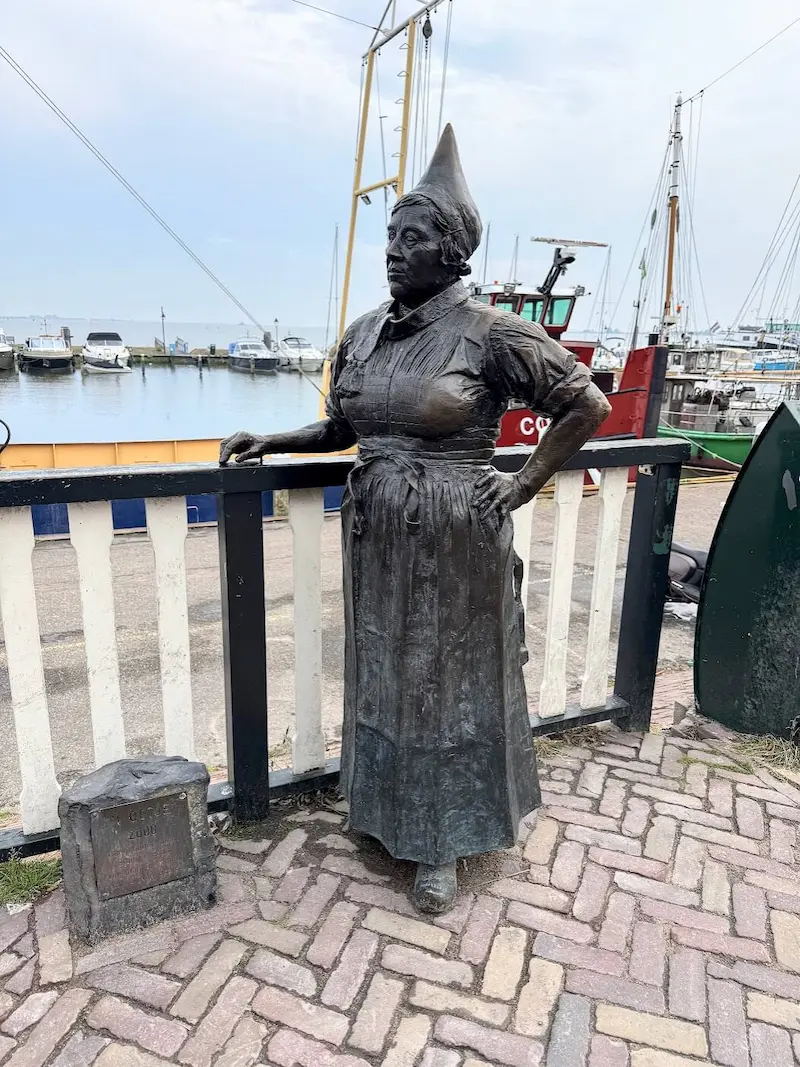
At the turn of the 20th century, the secluded village became an unexpected haven for international artists. Drawn to the distinct light, traditional dress, and maritime scenery, painters gathered at the historic Hotel Spaander. The hotel still displays hundreds of the artworks left behind by its creative guests. Many of those artists eventually gained worldwide acclaim, and you can find works inspired by this village hanging in the Tate Modern, the Van Gogh Museum, and the Rijksmuseum.
Sailing on a Traditional “Botter”
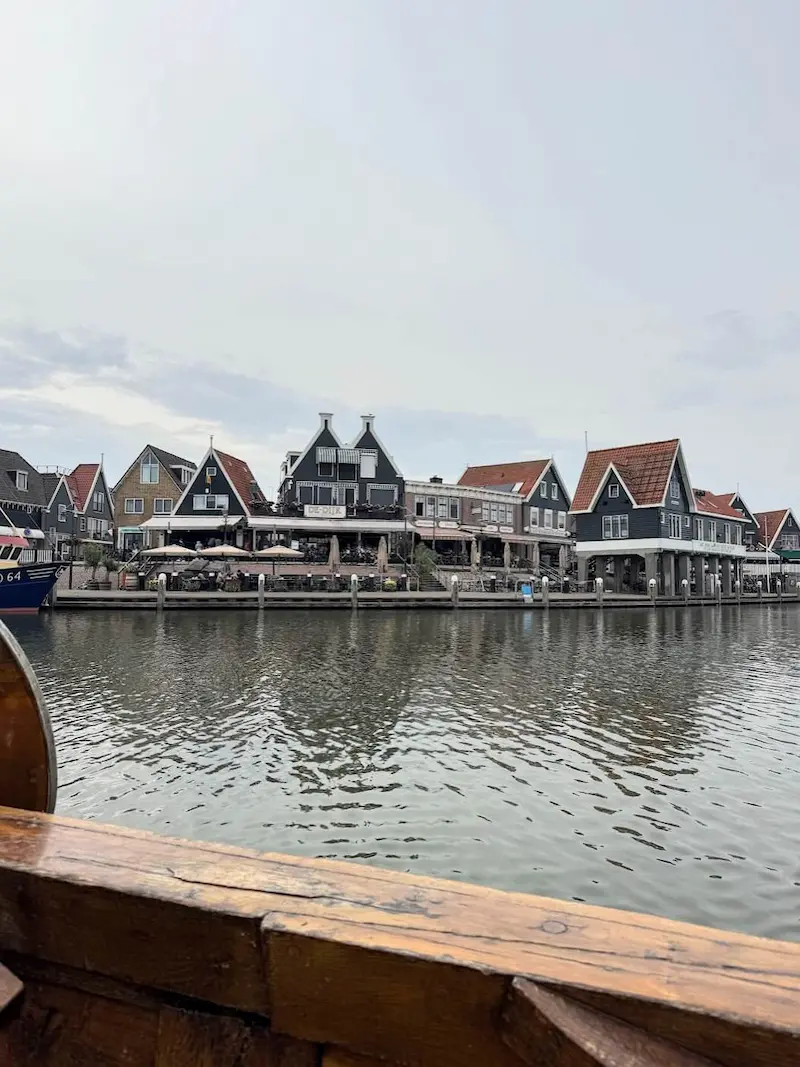
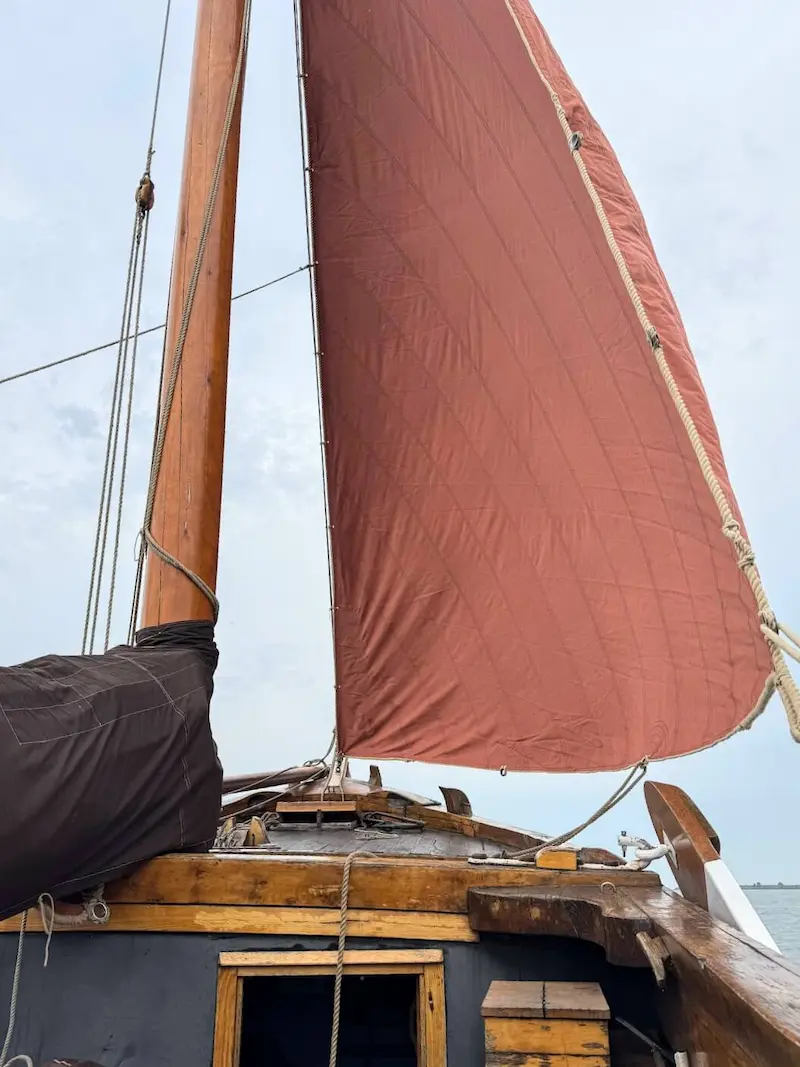
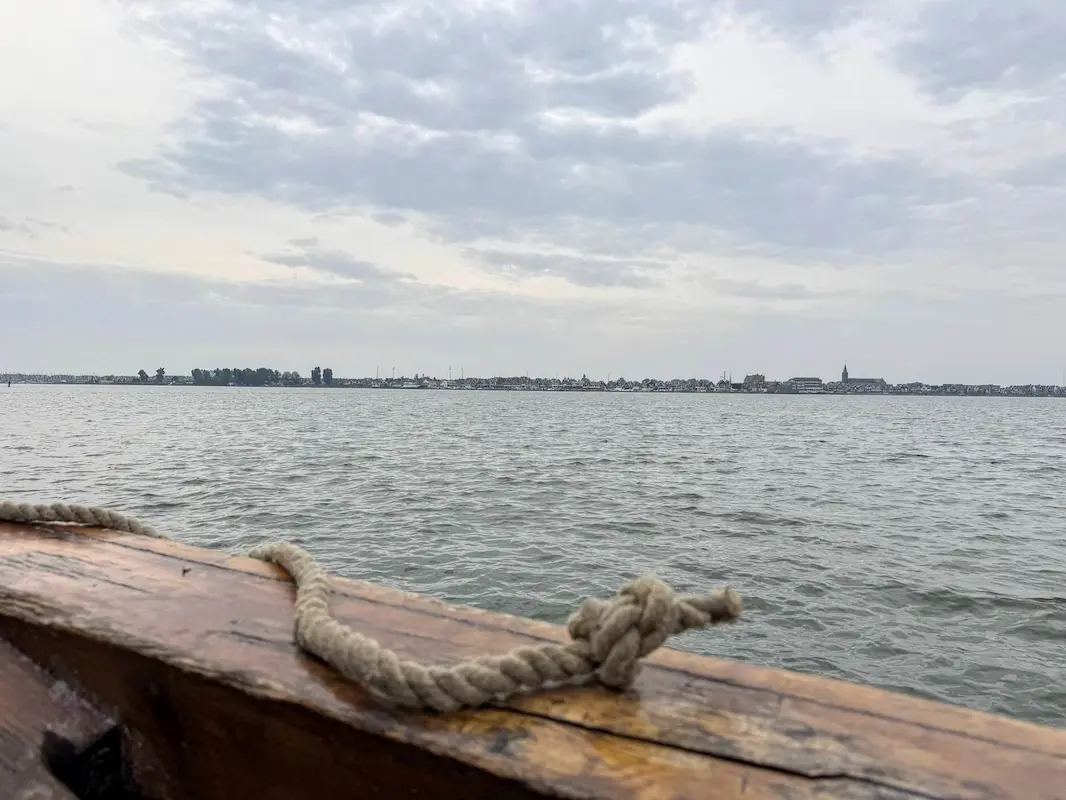
Down in the harbour, you might spot a very specific type of wooden vessel known as a Volendammer Kwak (or Botter). These flat-bottomed wooden fishing boats are over a century old. Historically, a crew of two men would sail out into the old Zuiderzee for days at a time. The boats feature a built-in wooden tank, which allows fresh sea water to flow through the hull, keeping the catch alive until they returned to port.
Today, a passionate group of volunteers known as the Volendammer Botters foundation works tirelessly to maintain these historic vessels, keeping Volendam’s maritime traditions alive. They offer seasonal sailing tours that the public can join (take a look at their website for more info). Out of the hundreds of these iconic boats that once filled the sea, only four remain in Volendam today.
⤷ TIP: End your evening with dinner at Grand Cafe de Botterwerf. Situated right on the shores of the Markermeer, its lovely terrace looks directly out onto the historic harbour shipyard.
Edam
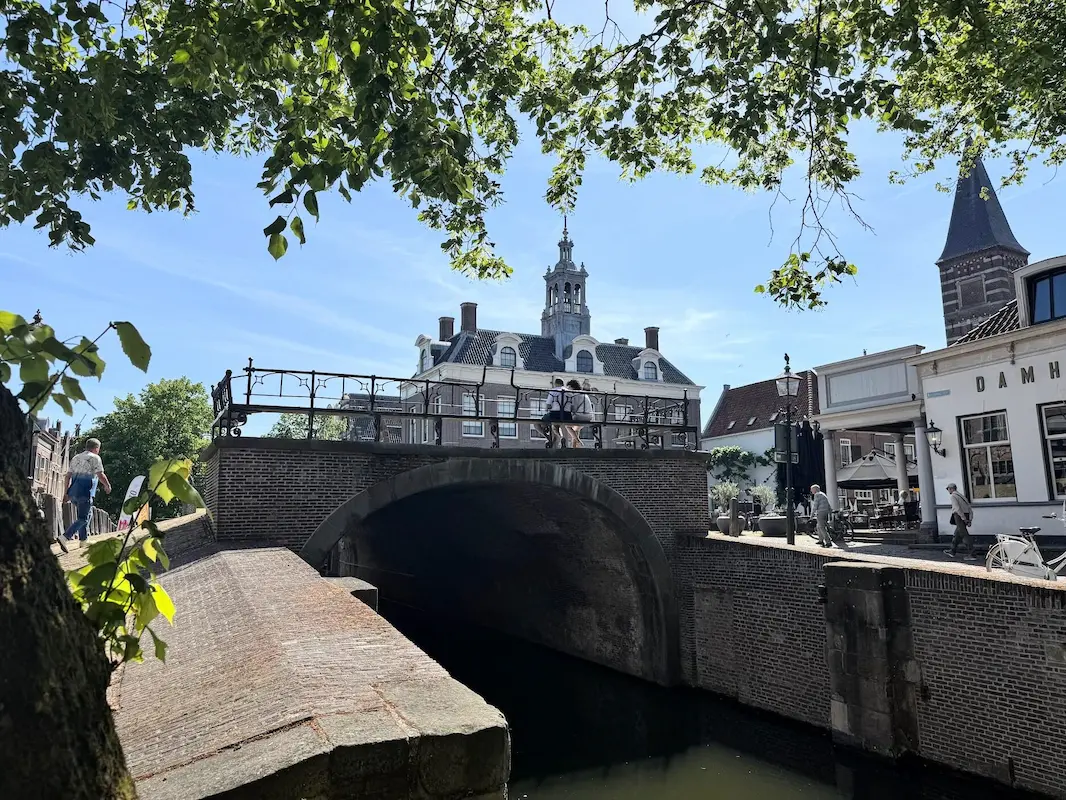
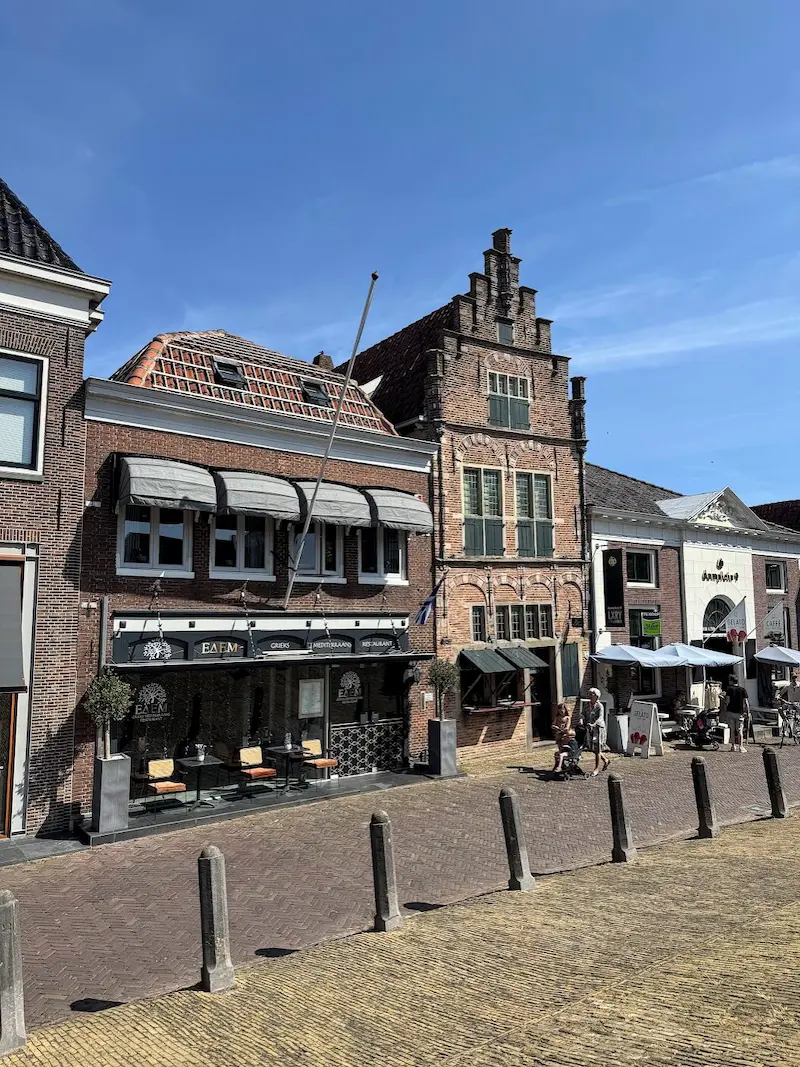
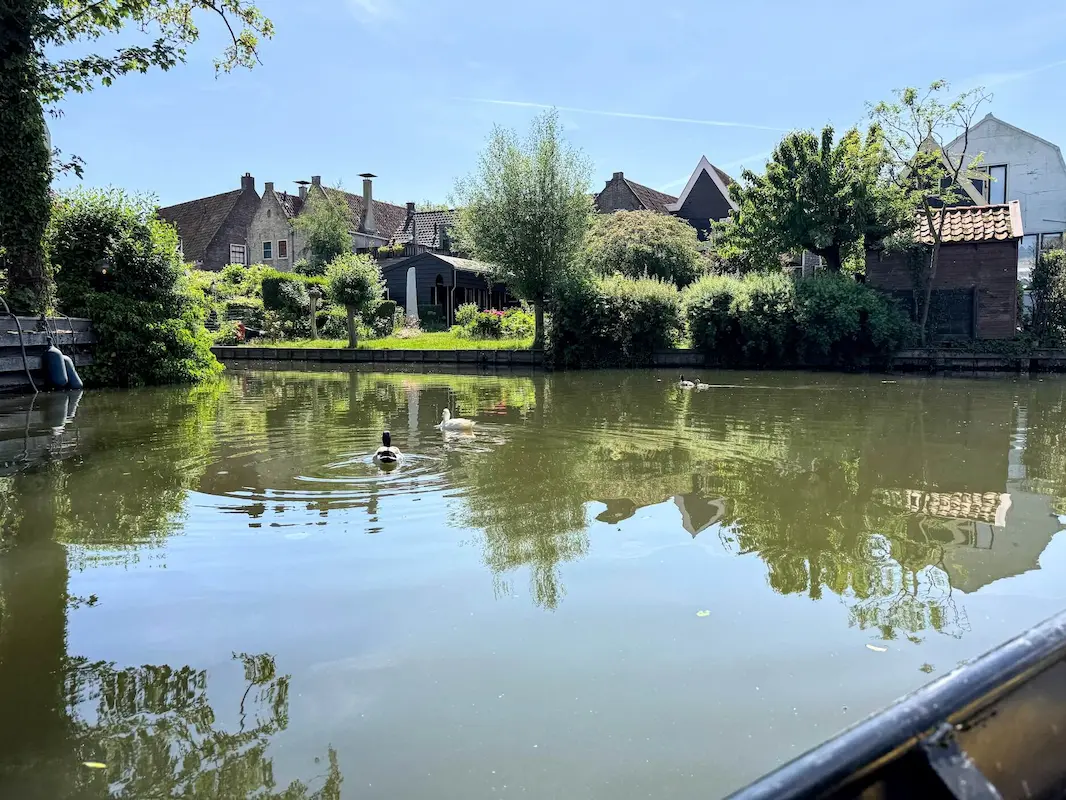
Just a short distance from Volendam lies Edam, a town whose history is deeply intertwined with its neighbour. While known abroad for its iconic cheese, this serene town has a wonderful historical charm. Founded in the 13th century as a dam on the River E (hence E-dam), it quickly flourished as a prominent centre for shipbuilding and fishing before cheese production took over.
Walking through Edam feels like stepping into a living museum, the historic canals and quiet drawbridges look untouched by time.
St. Nicholas Church (Grote Kerk)
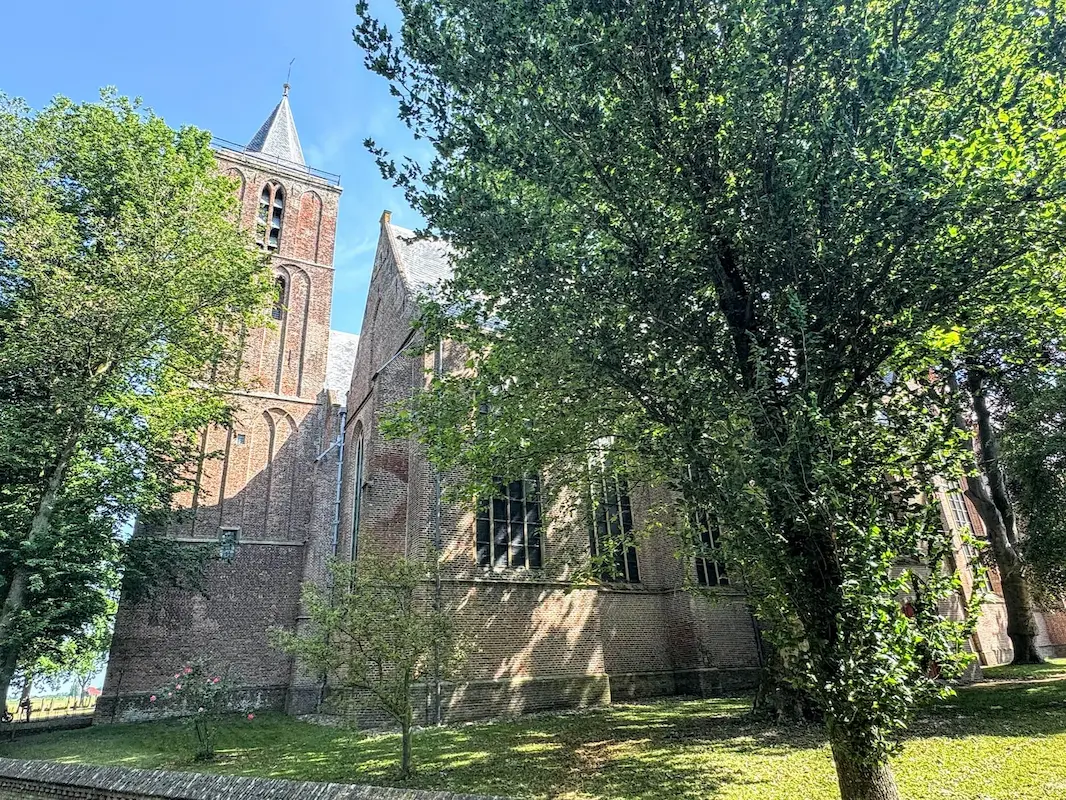
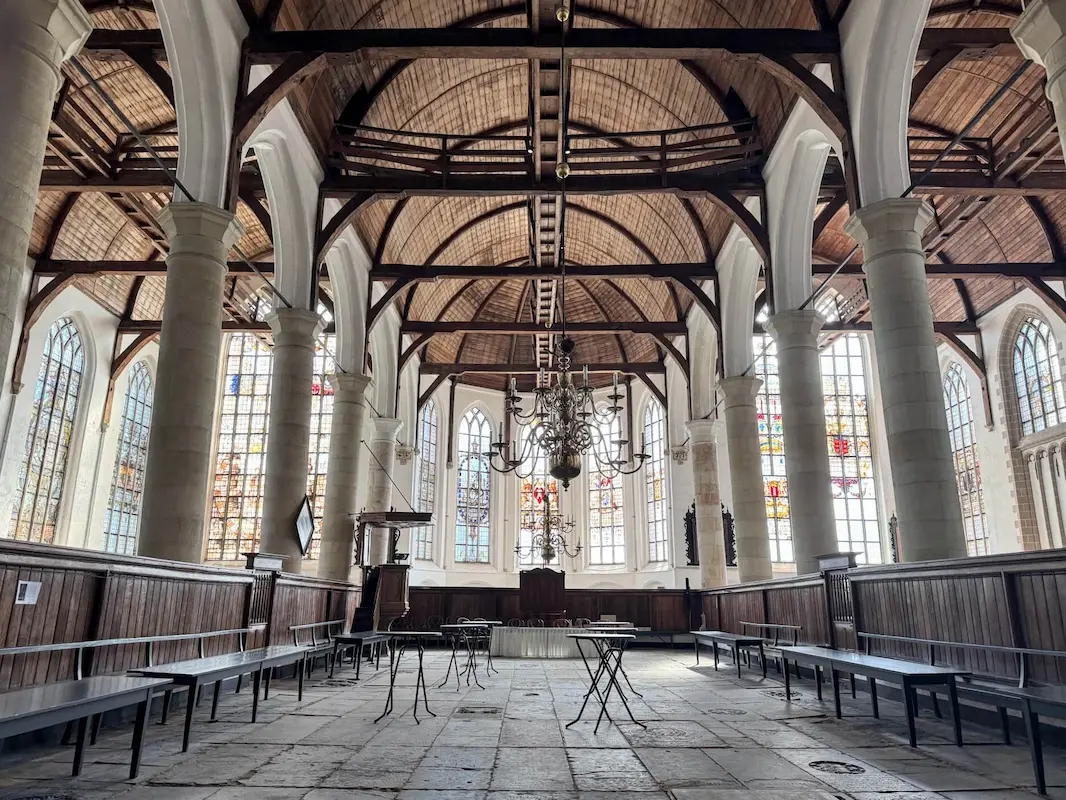
One of the most fascinating buildings in Edam is the Grote Kerk. The church was built in the beginning of the 15th century, and you can still recognise its medieval decoration in its capitals. The church suffered catastrophic fires caused by lightning strikes over the centuries. When it was rebuilt in 1701, the town council wisely decided to drastically shorten the height of the tower to prevent future disasters.
Architecturally, it is one of the largest three-ridged churches in Europe, meaning all three of its massive barrel vaulted naves are built to the exact same height. The church is also home to some beautiful stained glass windows and a small room which was used as a Latin School.
The Edam Museum
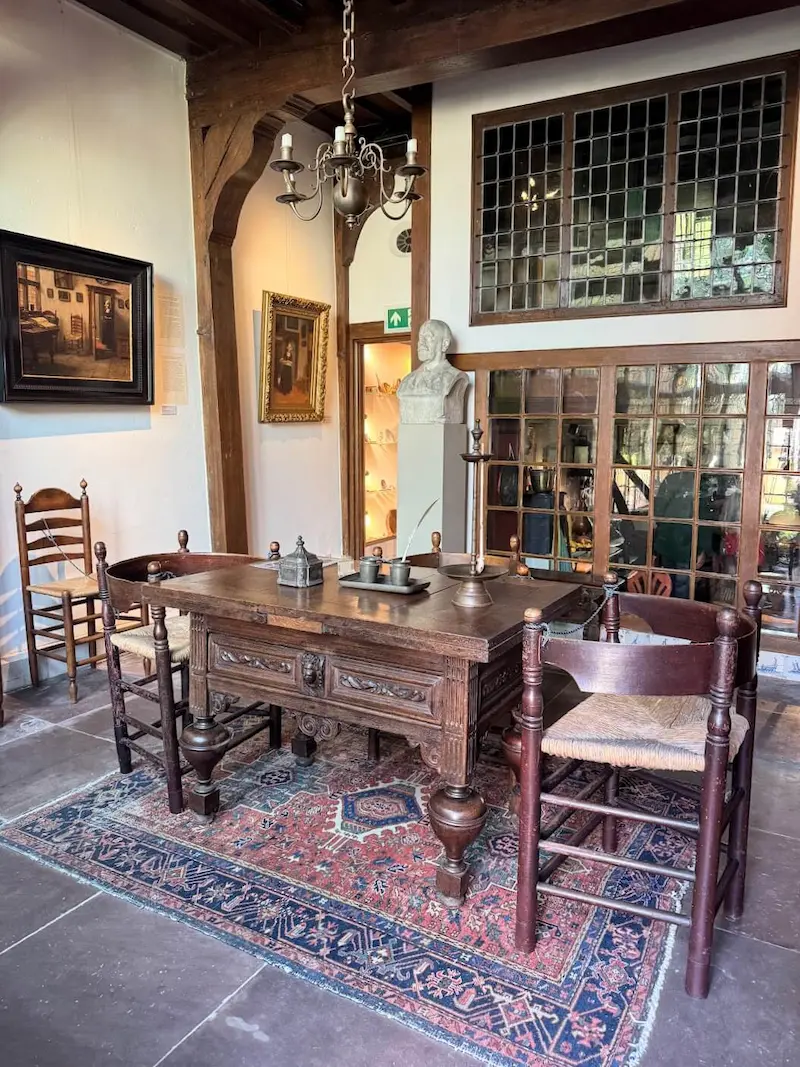
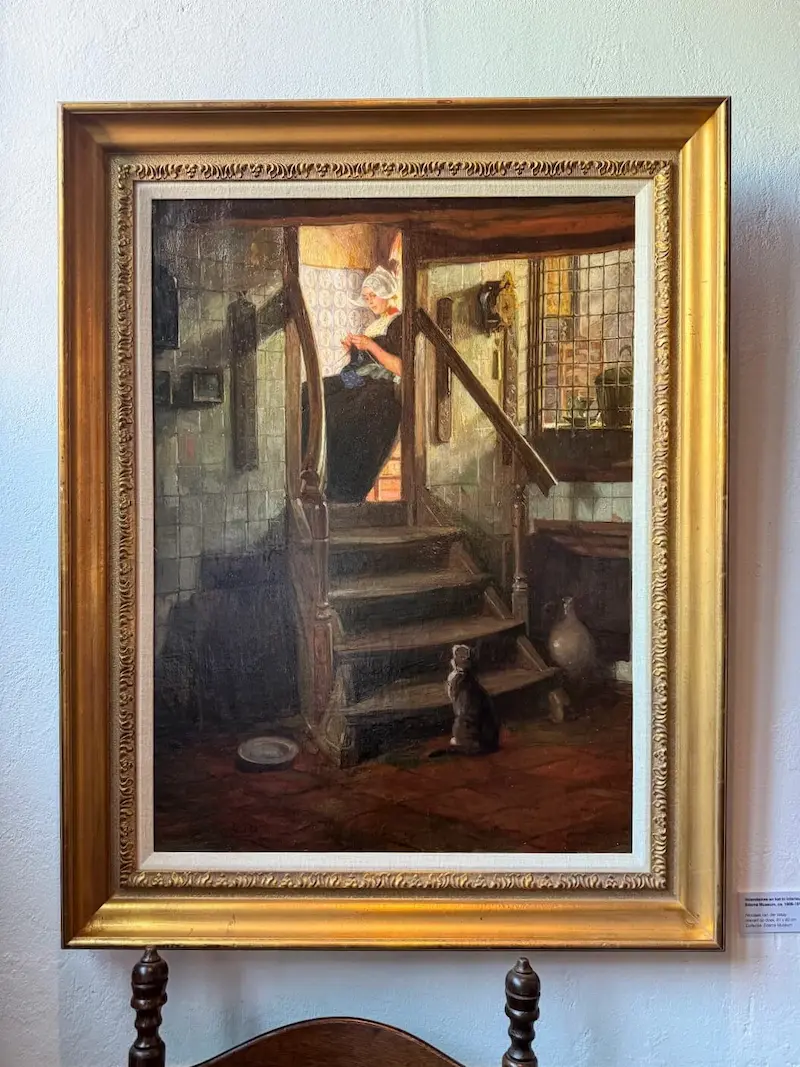
Another place you shouldn’t miss in this small town is Edam Museum. As one of the oldest museums in this region, it’s a great place to learn about the local history, showing off historic pottery, shipbuilding tools, and portraits of Edam’s most notable historic residents.
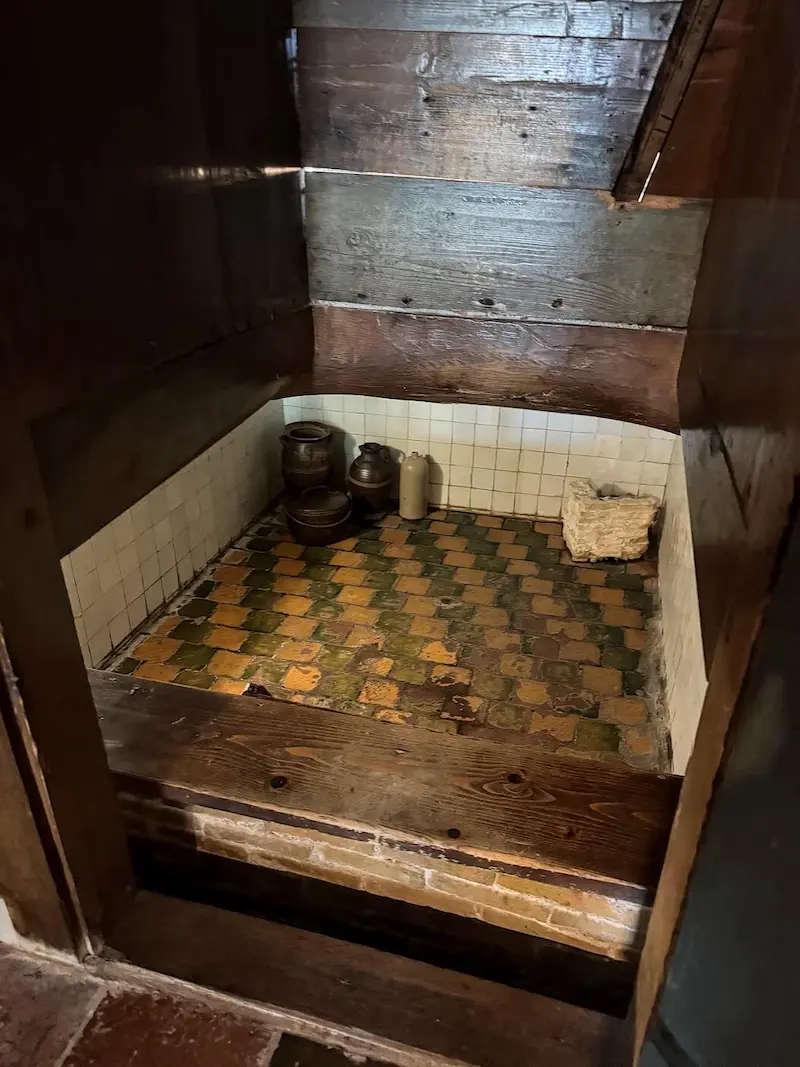
The museum operates across two locations situated just a stone’s throw apart. The first shares a space with the local tourist office, but the second location across the bridge is where the real magic happens. Housed inside a historic 16th-century merchant’s townhouse, it showcases authentic period interiors. The basement contains a famous quirky feature: a floating brick cellar. Built by a ship’s captain who missed the motion of the sea, the cellar floor literally floats on the high water table below, bobbing slightly beneath your feet as you walk across it.
Practical Tips for Your visit to Amsterdam Area
⤷ Getting Around: Amsterdam Airport Schiphol is nestled right in the heart of this region, making it easy to land and start exploring immediately. The entire Amsterdam Area is tightly knit together by an efficient train and bus network, making it easy to explore. Download 9292 app to find the best public transport connections during your visit to the Amsterdam Area.
⤷ Where to Stay: During my visit to Amsterdam Area, the first night I stayed in The Florian Hotel. It’s located very close to the Schiphol Airport, so it’s also a great choice in case you need a hotel close to the airport. The second night I stayed at Van der Valk Hotel Volendam, which was recently restored, has beautiful rooms, and a fantastic breakfast.
Explore more of Amsterdam Area:
What to See in Amsterdam Area: Art & Architecture
Exploring Castles & Gardens in the Amsterdam Area
Things to Do in Haarlem: Tips From a Local
I visited Amsterdam Area during the press trip organised by amsterdam&partners, Visit Haarlemmermeer, Visit Zandvoort, Laag Holland, and their partners. Many thanks to all of them for organising such a wonderful trip for me. However, as always, all opinions are my own.