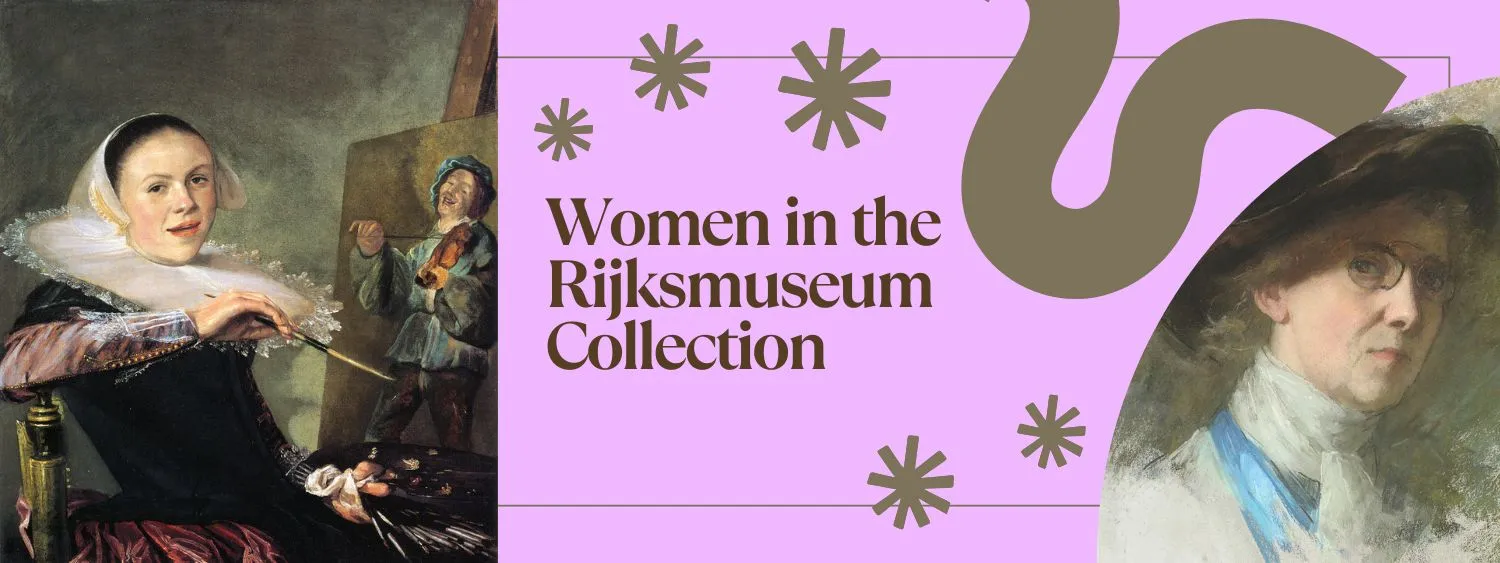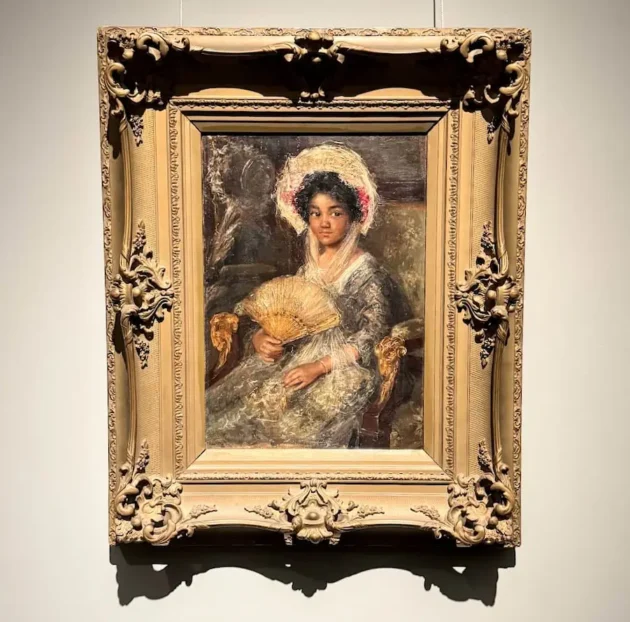
When the Rijksmuseum first opened its doors in 1885, it was designed as a temple to Dutch identity, art, and history. The museum’s architect, Pierre Cuypers, was a man; its directors were men; and the artworks on display were almost exclusively made by the Great (male) Masters of art history. For a long time, it felt as if there were no women in Dutch art history.
However, if you look closer at the brushstrokes and read between the lines of the archives, a different story emerges. It is a story of female painters who defied guild restrictions, savvy businesswomen who ran painting workshops, and rebels who took up arms to defend their cities. For too long, women in art history were relegated to the roles of the silent muses or anonymous subjects. Today, that is finally changing.
In 2021, the Rijksmuseum launched the “Women of the Rijksmuseum” project to correct this historical imbalance. From the Middle Ages to the modern era, keep on reading to meet the women who shaped the Dutch soul.
Pioneers of the Renaissance: Catharina van Hemessen
To understand why female artists are so rare in history books, we must look at the obstacles they faced. Few women were able to become professional artists during the early modern period, largely because they were denied access to formal education, mentorship systems, and professional organisations.
There barriers were physical and social: artistic training often involved attending autopsies to study anatomy, which was deemed inappropriate for women. Aspiring painters also had to study the nude male figure, which was another taboo. Finally, the apprenticeship system required students (often aged 9 to 15) to live with a master painter for years, which wasn’t considered appropriate for girls.
Because of these restrictions, most successful female artists of the era were trained by their fathers. This only truly changed in the 20th century, when female students were finally allowed to follow the same curriculum as their male colleagues.
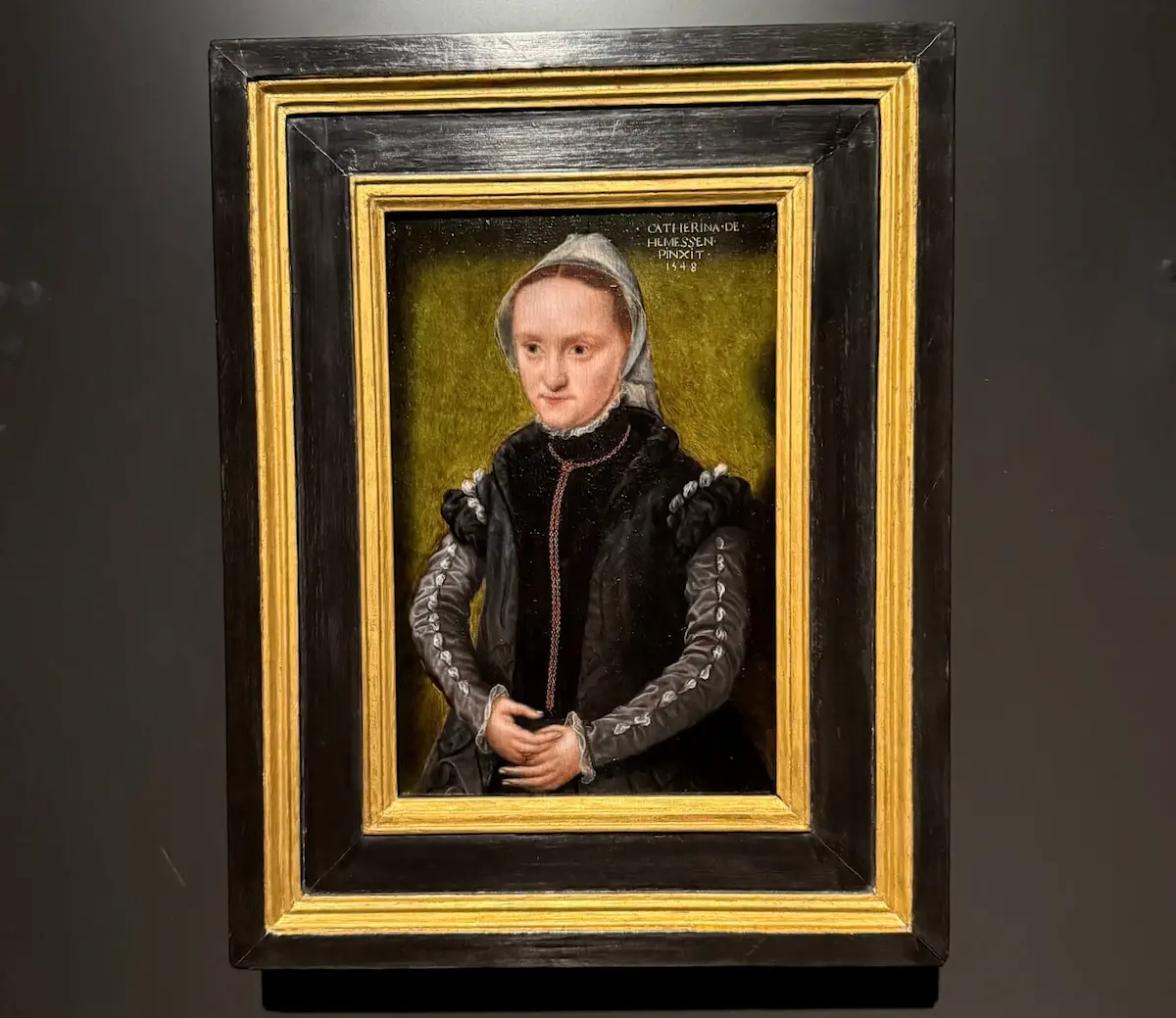
Catharina van Hemessen (1527–1567) broke through these barriers mainly because of her talent, persistence, and the support of her father, Jan Sanders van Hemessen (also a painter). She became the first Southern Netherlandish female painter to leave behind signed and dated works. Her 1548 self-portrait is revolutionary; it is likely the first painting in European history to show an artist (of any gender) actually sitting at an easel with a palette and brush. Her talent was so undeniable that she was mentioned by Giorgio Vasari and eventually became a lady-in-waiting to Maria of Austria, securing a lifelong pension for her skills.
The Rijksmuseum is home to her Portrait of a Woman, painted in 1548. It’s one of her earliest artworks, and a very typical painting made by her: small in scale, featuring a dark background and a quiet, intimate realism where the sitter’s gaze avoids the viewer, creating a sense of dignified mystery.
Read more: 16 Inspiring Female Painters from History
The Power Behind the Law: Maria van Reigersberch
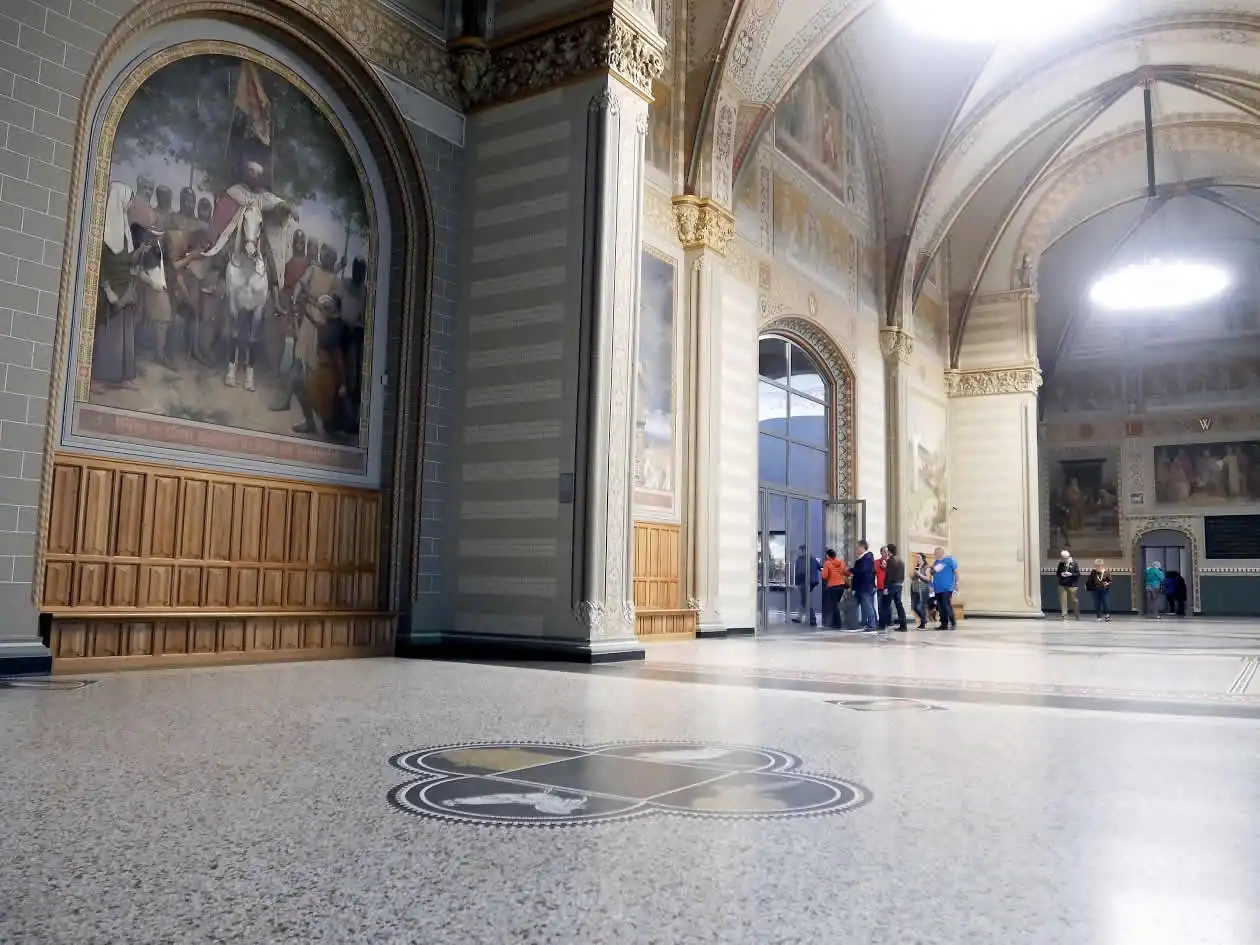
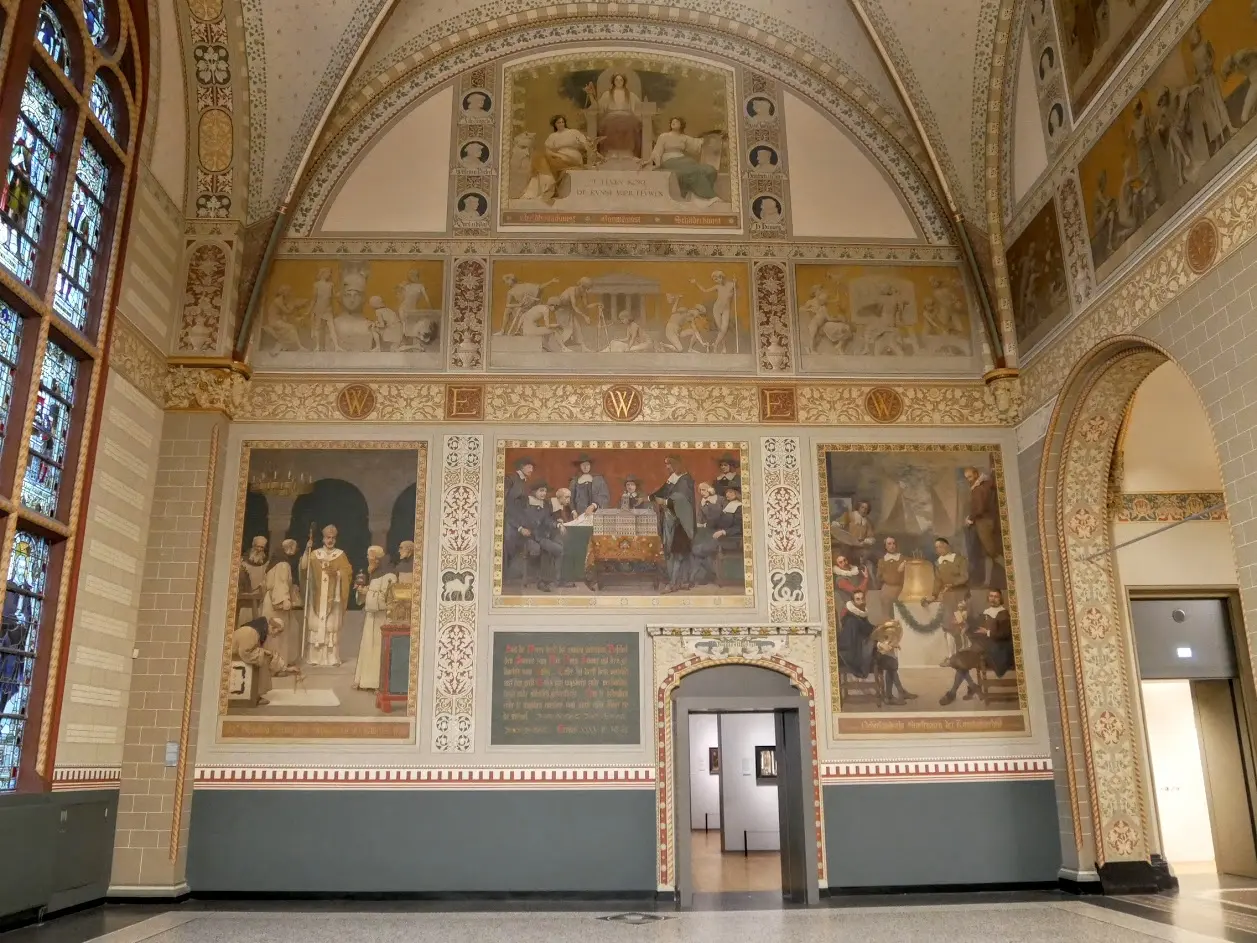
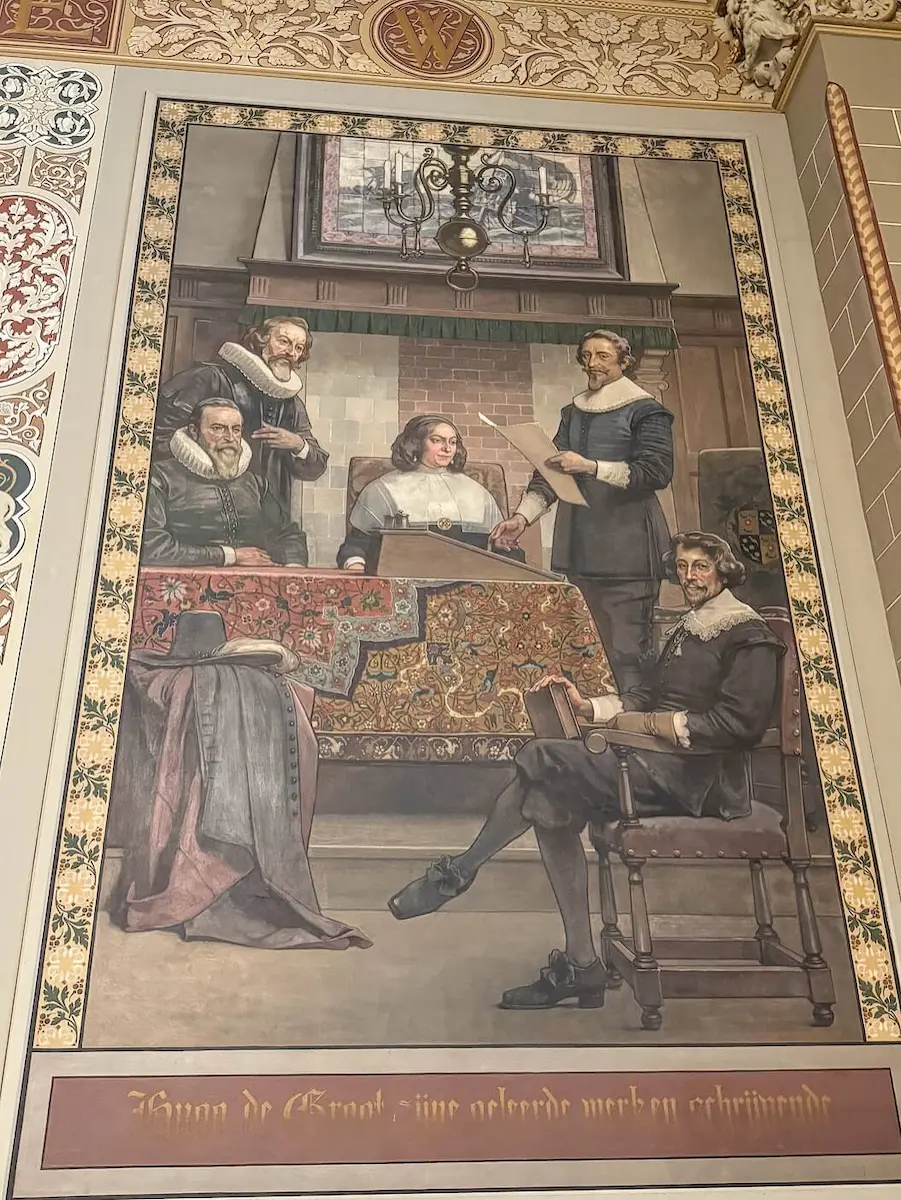
In the Rijksmuseum’s Great Hall, you’ll find a tribute to the father of international law, Hugo de Grotius. But behind this great man was a brilliant woman: Maria van Reigersberch (1589-1653).
The walls of the Great Hall are filled with monumental paintings depicting important events and people form Dutch history. Tellingly, Maria is only one women among them. She was De Grotius’s wife and intellectual equal. When Hugo was sentenced to life in prison at Loevestein Castle for political disputes, Maria didn’t just petition for his release; she engineered a daring escape. She smuggled him out of the fortress inside a large chest meant for books. While he fled to Paris, she stayed behind to face the legal consequences.
Maria was an independent woman: she managed the family finances, fought legal battles to reclaim their assets, communicated with her husband’s publishers, traveled alone, and befriended the most powerful figures in Europe, including the Queen Regent of France, Anna of Austria. She proves that 17th-century Dutch women were far more than just silent partners.
Read more: Rijksmuseum Highlights
Breaking the Glass Ceiling of the Gallery of Honour
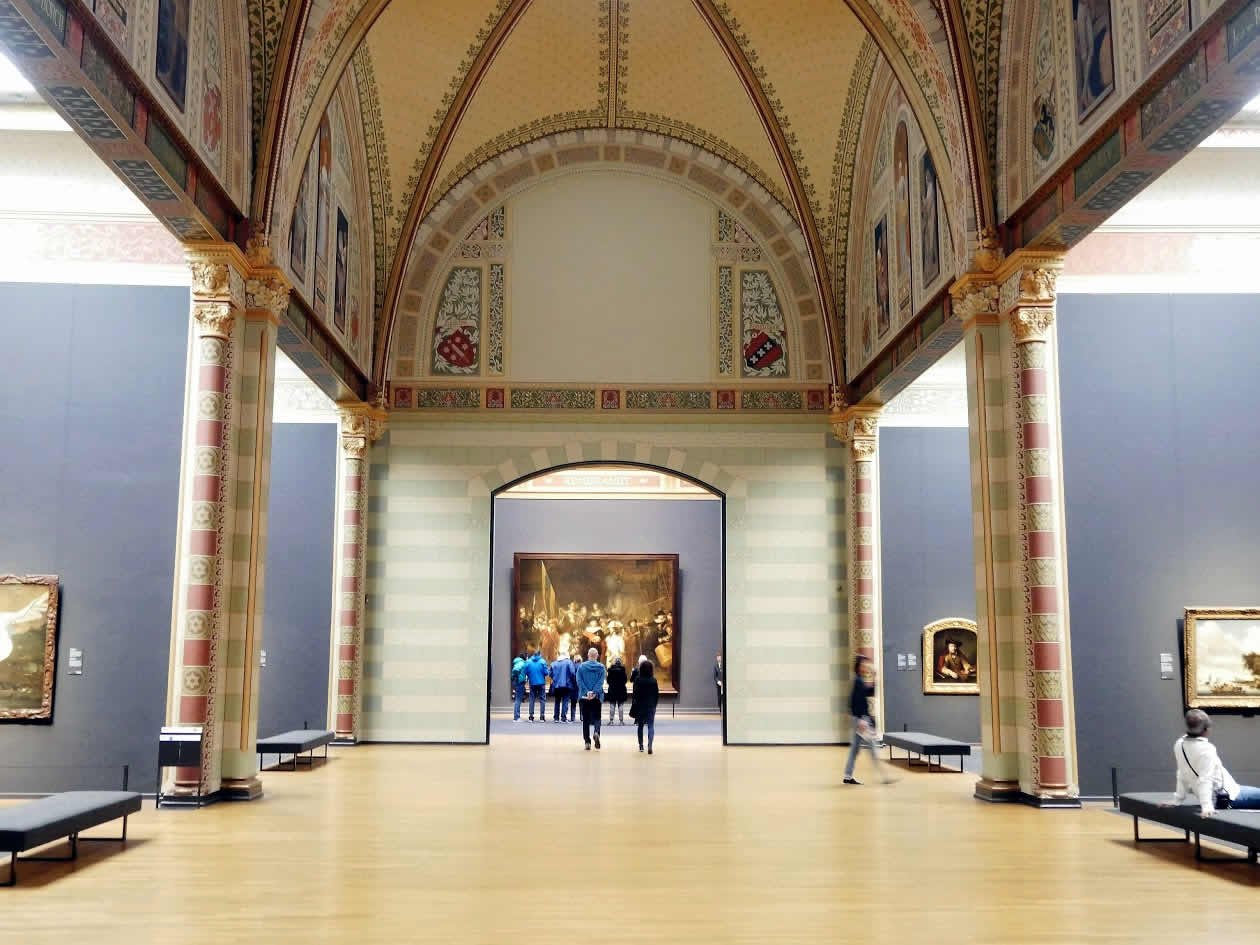
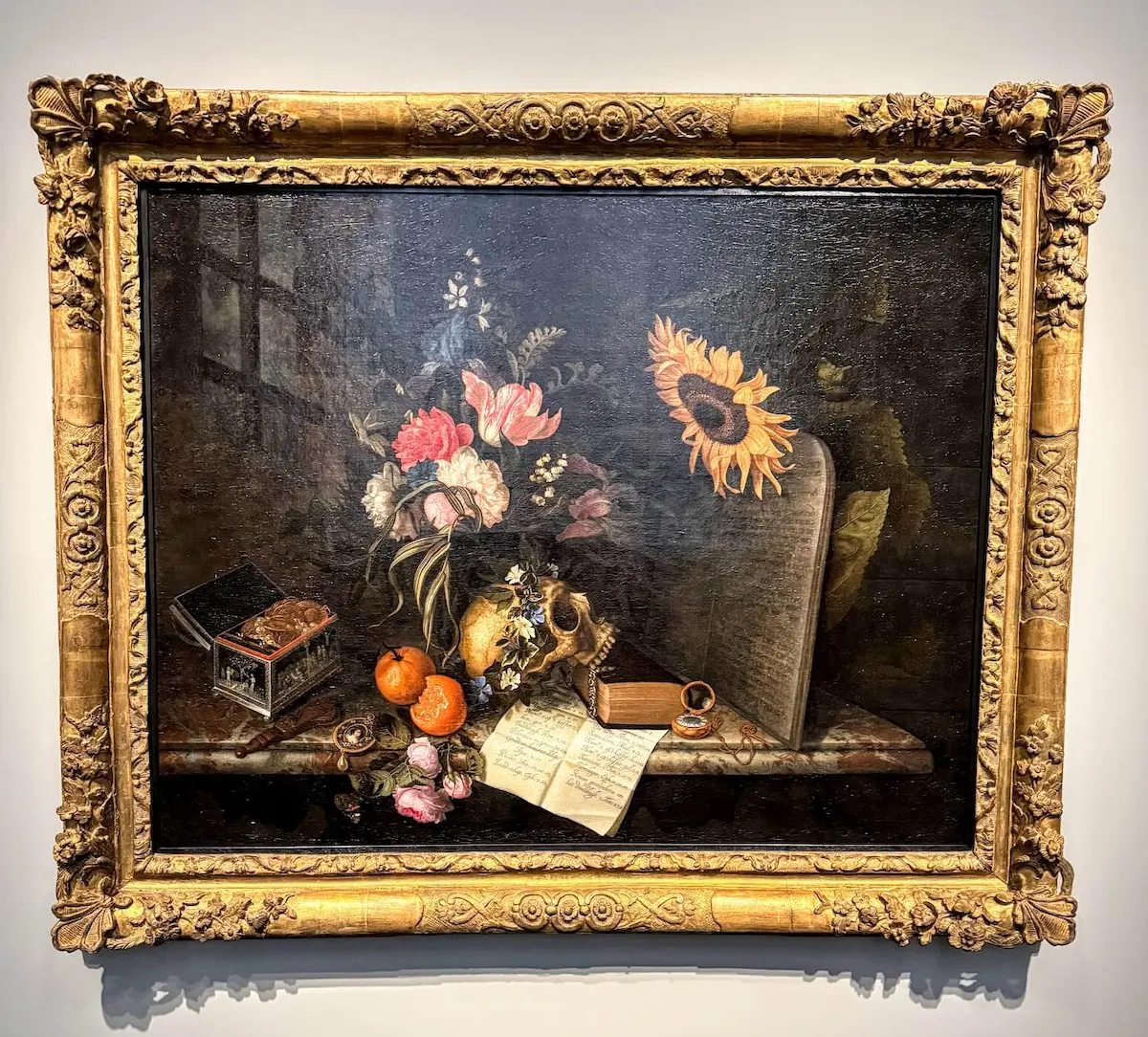
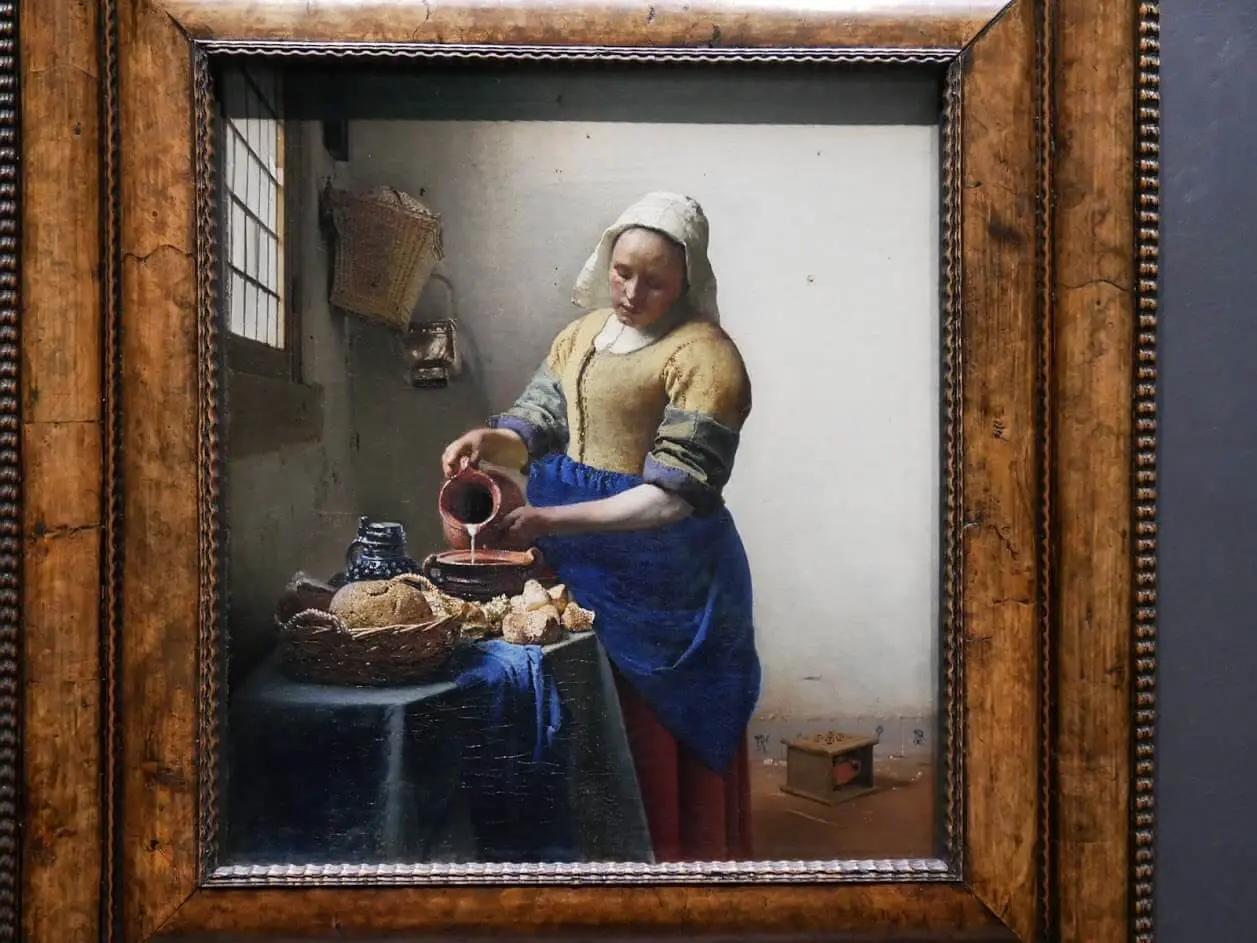
The Gallery of Honour is the most important place at the Rijksmuseum, home to Rembrandt’s Night Watch and Vermeer’s Milkmaid. It’s a place where you’ll find the most famous Dutch Golden Age paintings on display. Shockingly, for the first 135 years of the museum’s existence, not a single painting by a woman was displayed here.
That changed in 2021 when the Rijksmuseum decided to highlight some of the fantastic Dutch female painters at the Gallery of Honour. Today, we celebrate masters like Maria van Oosterwijck, a floral still-life specialist whose work was so coveted she sold pieces to European royals.
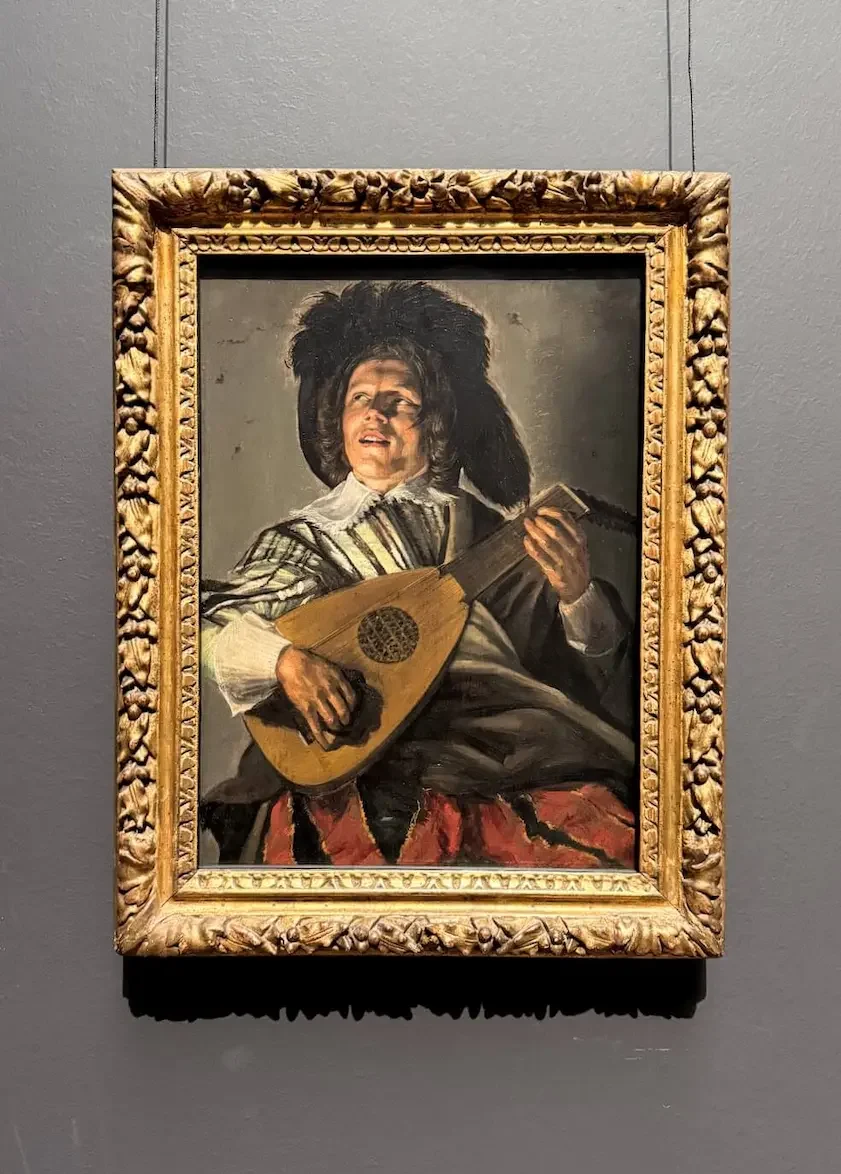
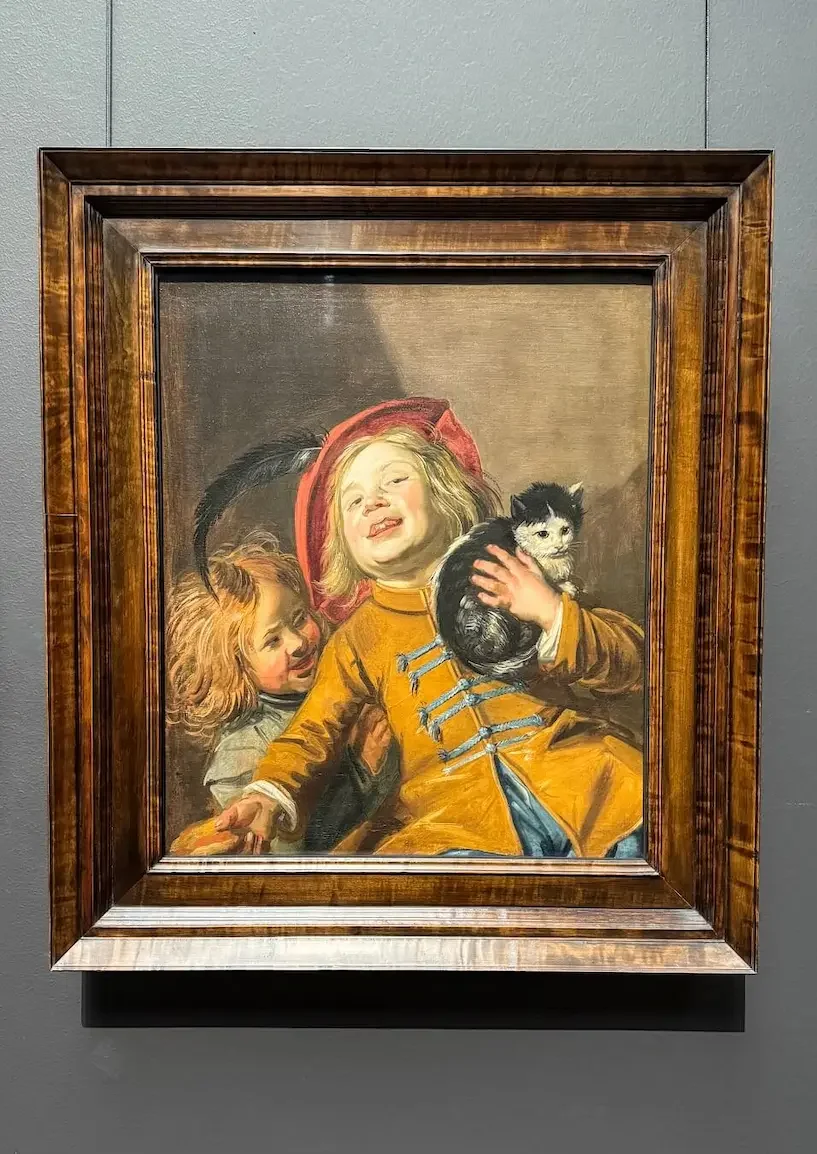
Then there is Judith Leyster, the most famous Dutch female painter of the 17th century. She was the first woman admitted to the Haarlem Guild of St. Luke and even sued Frans Hals for stealing one of her apprentices (and she won). Her work was so skilled that after her death, her signature was often painted over with Hals’s name to increase the painting’s market value. It wasn’t until 1893, when the Louvre Museum discovered her distinctive monogram (a “J” and “L” paired with a shooting star), that she was finally reclaimed by history.
Read more: 10 Things You Didn’t Know About the Rijksmuseum
The Patron and the Warrior: Maria de Knuijt and Kenau
In the Rijksmuseum you won’t only find works of inspiring female artists. The art history story won’t be complete without the art patrons. And quite often, they were women, too.
We often think of Vermeer as a solitary genius, but recent research suggests we owe his career to a woman: Maria de Knuijt. As his primary patron, she purchased nearly half of his entire output, including The Milkmaid and View of Delft. She has also left him a big sum of money in her will. Maria shaped his career and ensured his survival, yet for centuries, her role was overlooked because art history was written from a male perspective. And, until a few years ago, it was considered that her husband, Pieter van Ruijven, was the one who was Vermeer’s patron.
Read more: Johannes Vermeer’s Paintings at the Rijksmuseum
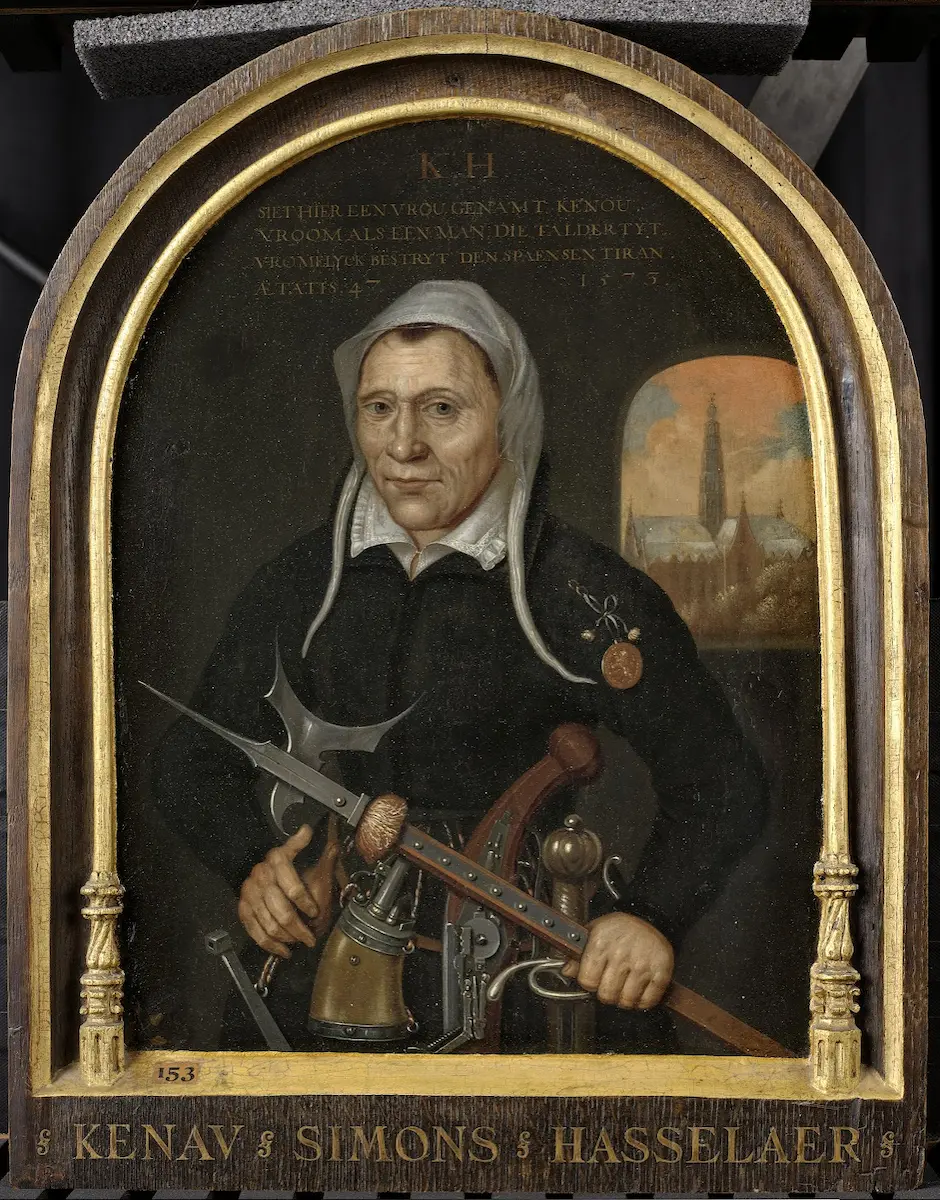
Moving from the salon to the battlefield, we encounter Kenau Simonsdochter Hasselaer. A wood merchant and shipbuilder, she became a legend for her role in the 1573 Siege of Haarlem. While the stories of her leading an army of 300 women into battle might be mythologized, her bravery was a historical reality.
Today, her name is Dutch shorthand for a woman who fears no one. You can find her striking portrait on the second floor, right next to the gallery of the Night Watch.
Read more: Rijksmuseum Hidden Secrets – The Best Rijksmuseum Tour
Science, Flowers, and the “Joffers”
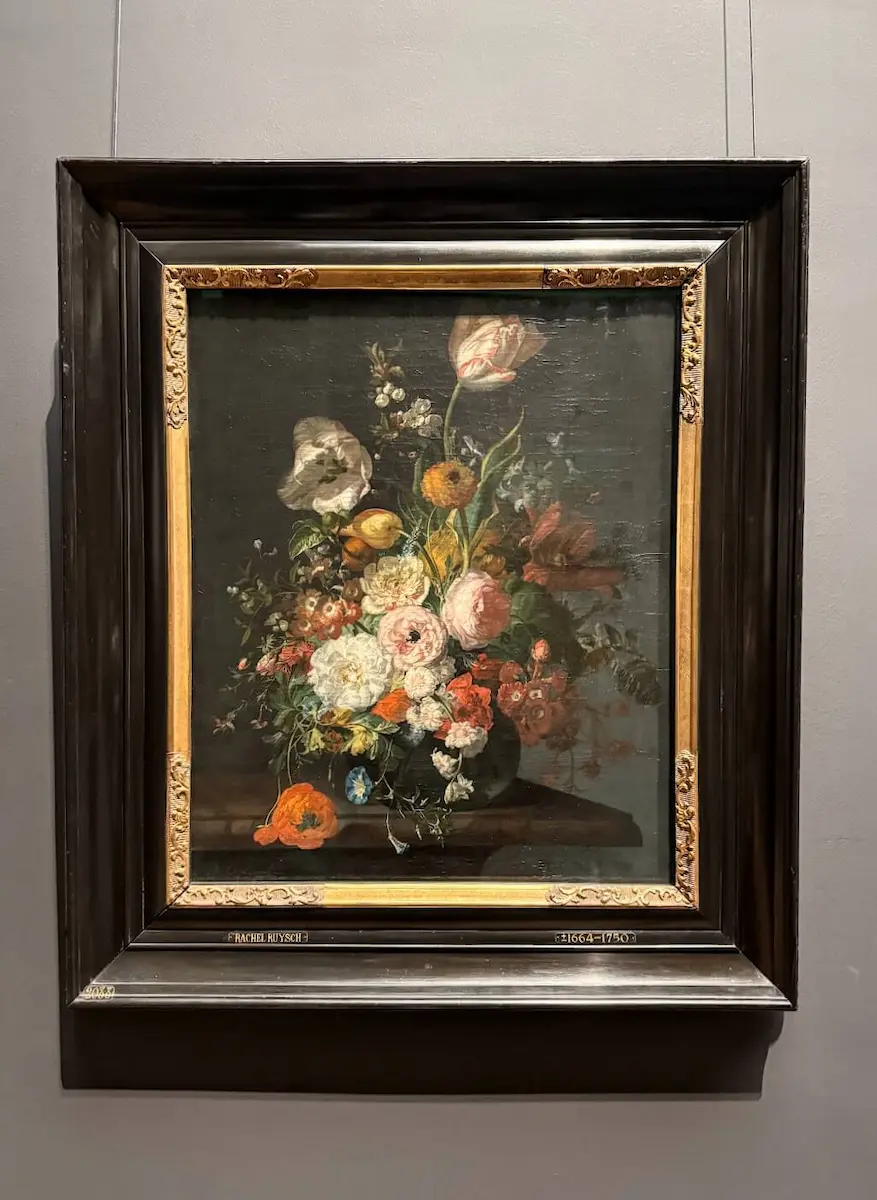
The 18th century brought forth Rachel Ruysch, a woman who turned flower painting into a high-stakes business. The daughter of a famous anatomist, she used scientific botanical samples to achieve a realism that allowed her paintings to sell for higher prices than Rembrandt’s. She balanced a 60-year career with raising ten children, signing her final work at the age of 83.
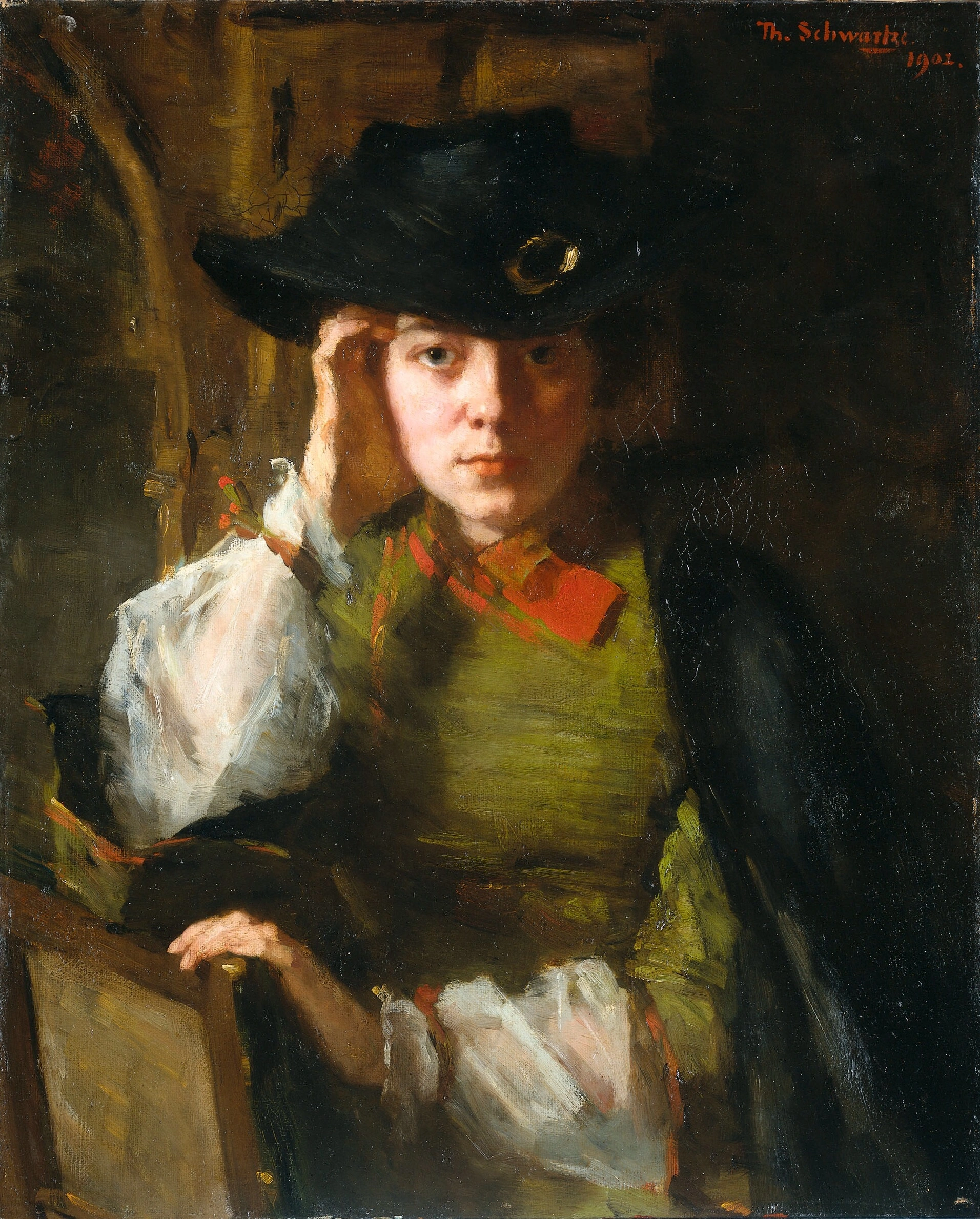
By the late 19th century, Thérèse Schwartze became a veritable celebrity. A shrewd businesswoman and cultural networker, she was one of the most popular painters in Amsterdam, especially celebrated for her portraits. She produced around 1,000 paintings and drawings in her career, and was the first woman knighted into the Order of Orange-Nassau.
Her portrait of her niece, Lizzy Ansingh (a member of the “Amsterdam Joffers” female artist circle), shows a self-confident woman with a penetrating gaze, a powerful contrast to the demure portraits of earlier centuries (like, for example, those made by Catharina van Hemessen).
Read more: Impressionists in Paris
Modern Independence: The 20th Century
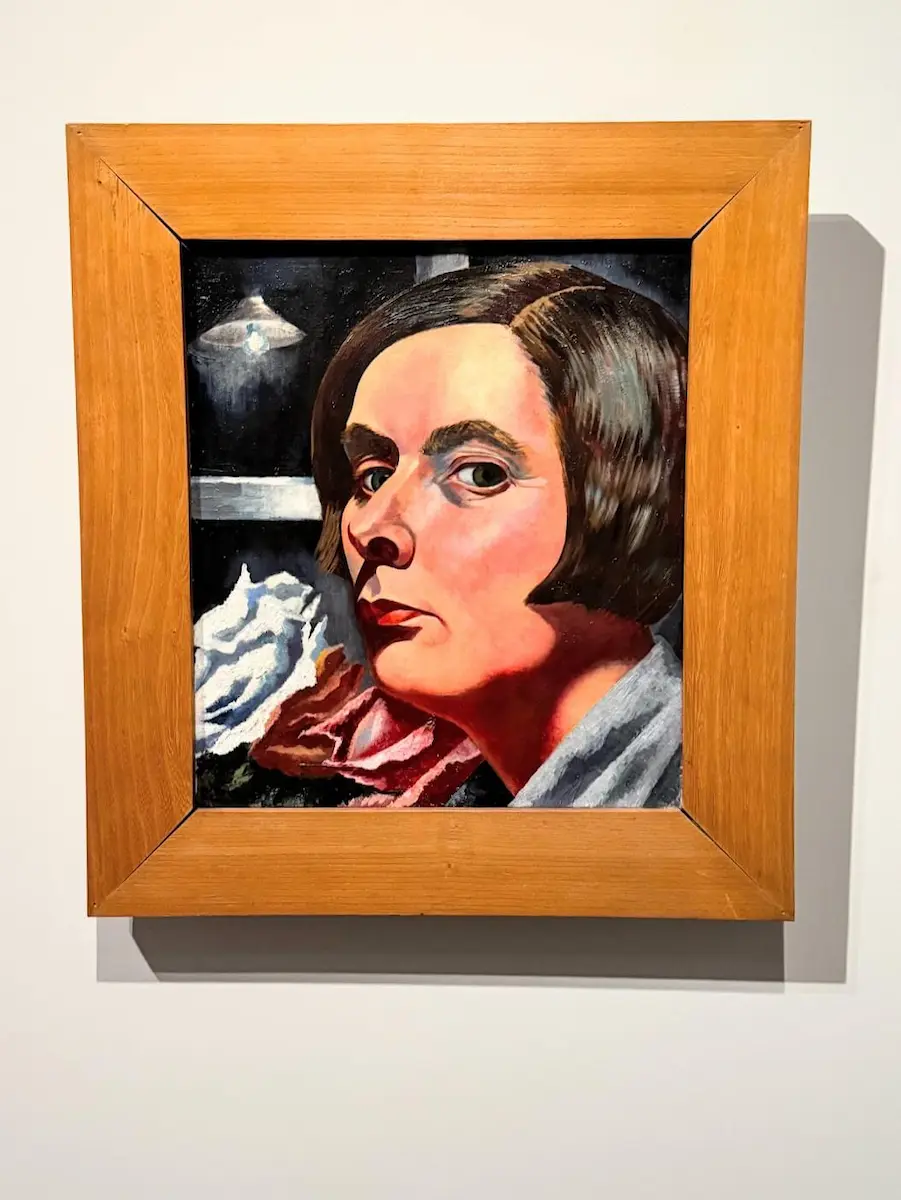
On the third floor, the tone shifts to the bold and the modern. Charley Toorop dominates this space with her powerful, realistic self-portraits. Across 17 paintings spanning her life, we see her age from a young girl to an elderly woman. Her bobbed hair and the harsh, electric lighting in her studio signal the arrival of the “New Woman”: independent, professional, and uncompromising.
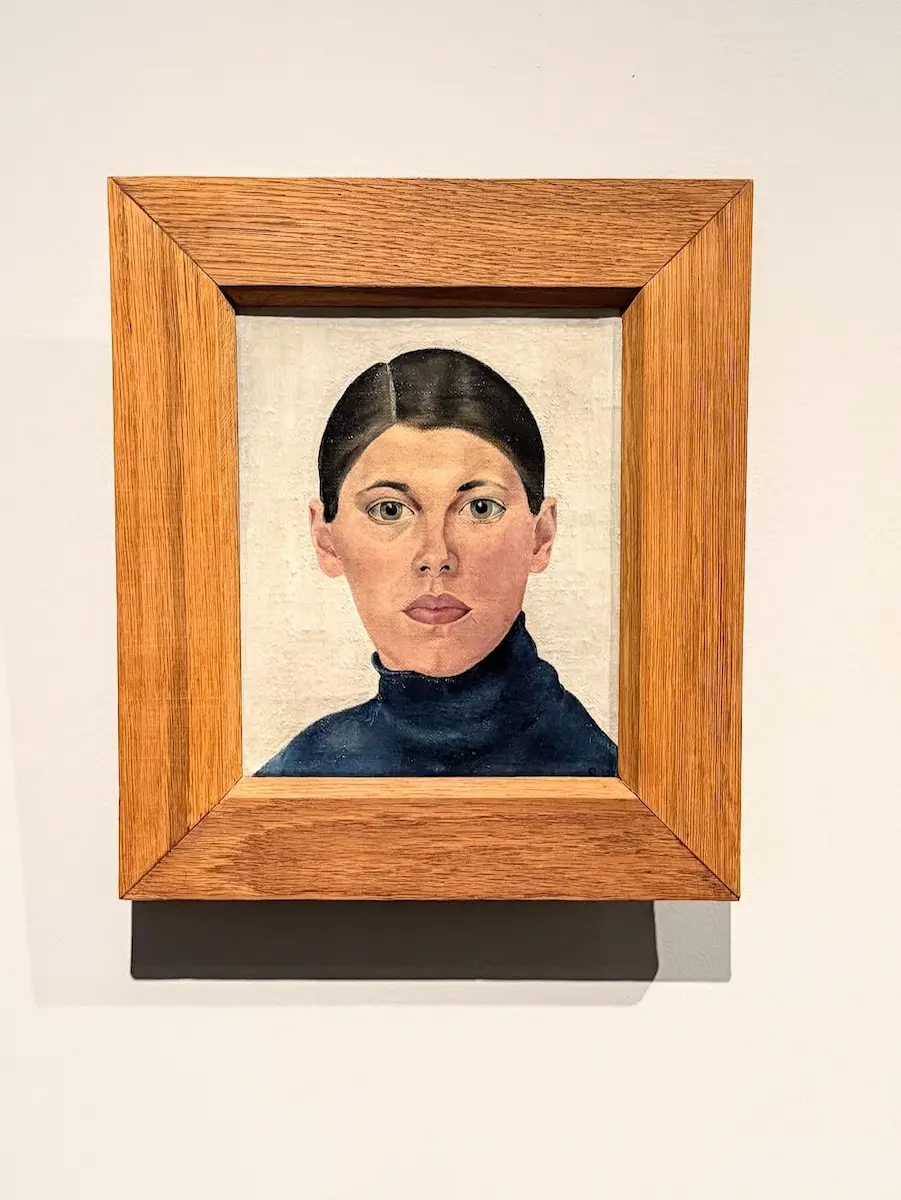
Nearby is a self-portrait by Bep Rietveld, painted when she was just 18 under Toorop’s mentorship. It serves a beautiful testament to the lineage of female artists teaching and supporting one another across generations.
Join the Journey: Women in the Rijksmuseum Collection Tour
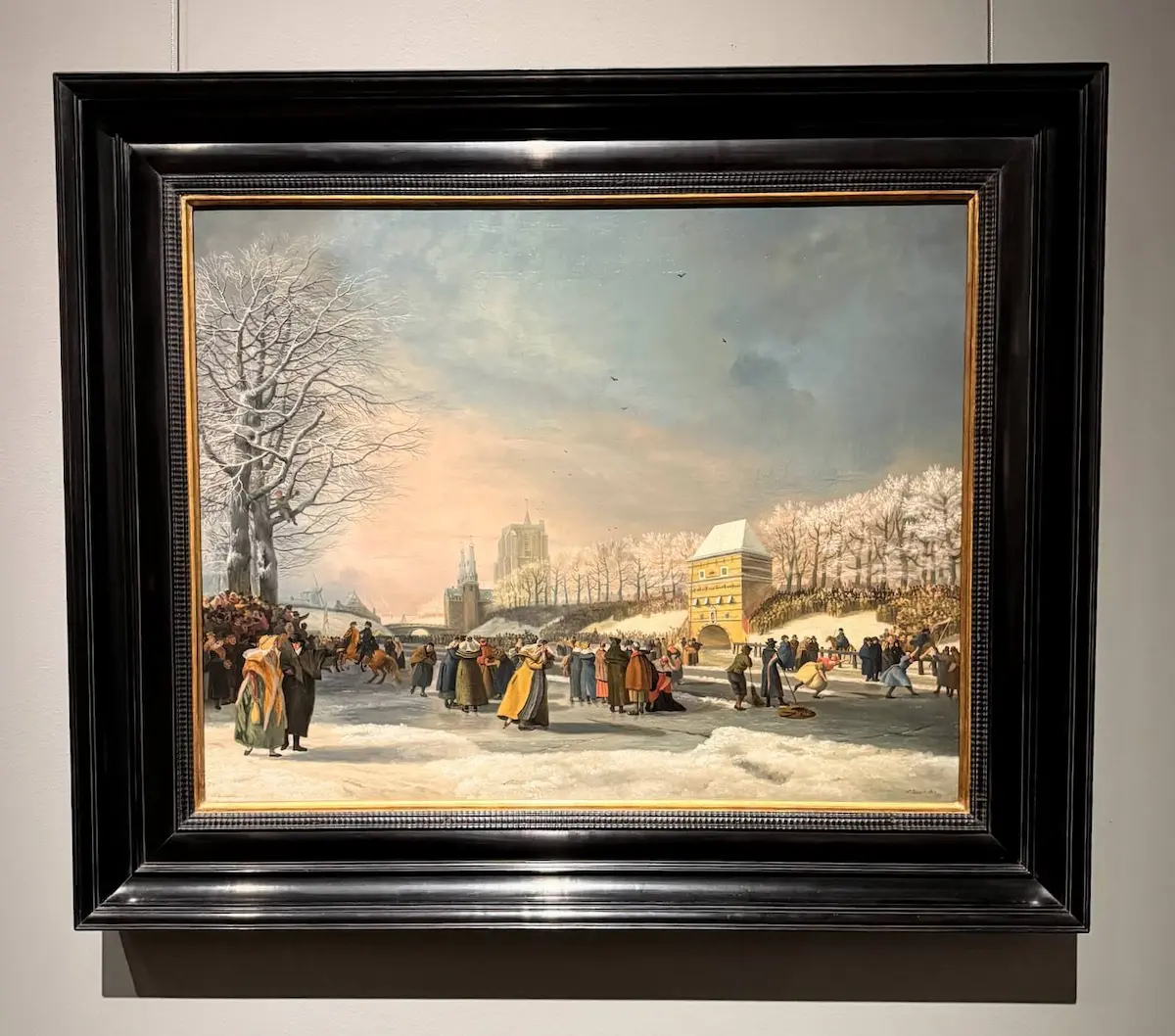
These stories are just the beginning. From Nicolaas Baur’s painting of first ever Women’s Skating Competition on the Stadsgracht in Leeuwarden in 1809 (which caused a scandal because the women showed their arms!) to the Ferdinand Bol’s Portrait of the Three Regentesses of the Leprozenhuis, the powerful women who ran the city’s hospital in the 17th century, the Rijksmuseum is bursting with female leadership, talent, and perseverance.
These stories are best experienced in person, standing before the canvases and feeling the history for yourself.
I am organising a specialised museum tour centred on this very theme: Women in the Rijksmuseum Collection. During it, we will walk through the galleries together, uncovering hidden signatures, daring patrons, and the rebels who refused to stay in the shadows.
Are you ready to see the Rijksmuseum through a new lens? Read more and book your spot on my “Women in the Rijksmuseum Collection” tour through this link and discover the women who changed Dutch history.