
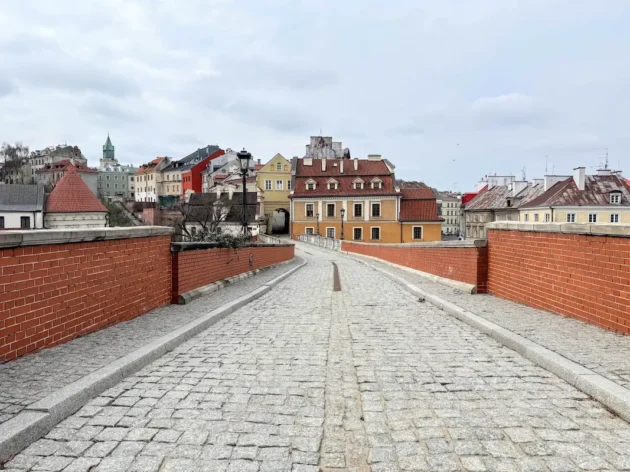
The Polish town of Lublin is a place where history meets modernity. Its cobbled streets are filled with fascinating legends, colourful historic houses, and a profound Second World War history. Located on the ancient road between Kraków and Vilnius, it comes as no surprise that Lublin was the site where the Polish-Lithuanian Union was signed in 1569. As many locals proudly note, this historic agreement signed at Lublin Castle was, in many ways, a predecessor to the European Union.
Today, Lublin is also a vibrant university town. You’ll find the streets filled with people enjoying an aperitif at café terraces, artisanal bakeries, and numerous festivals. The city is currently preparing for an even larger stage: Lublin will officially hold the title of European Capital of Culture in 2029. Keep on reading to find out more about the best things to do in Lublin.
What To See in Lublin
At a Glance: What to See in Lublin
If you’re short on time, here are the top unmissable sights:
-
Lublin Castle & the Holy Trinity Chapel
-
The Old Town Market Square
-
Majdanek State Museum (History & Remembrance)
-
The Donjon Tower (For the best city views)
-
Kuźmiuk Bakery (To try the famous Cebularz)
Lublin Sightseeing: Exploring the Lublin Castle
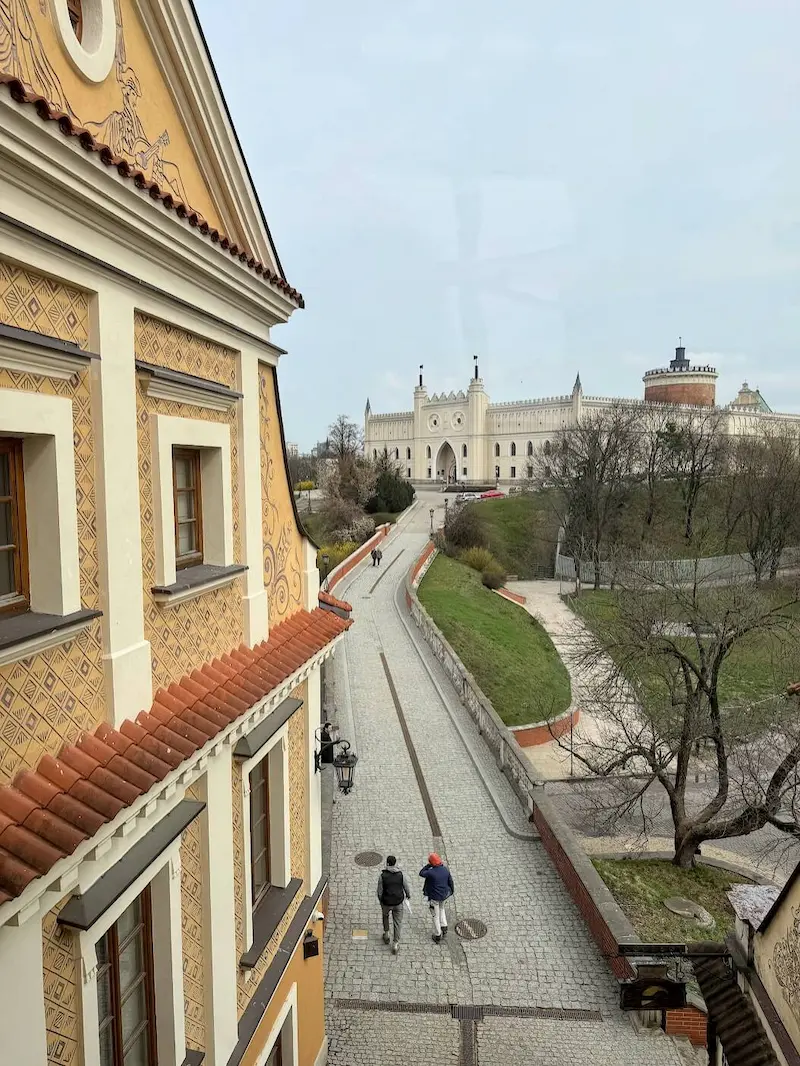
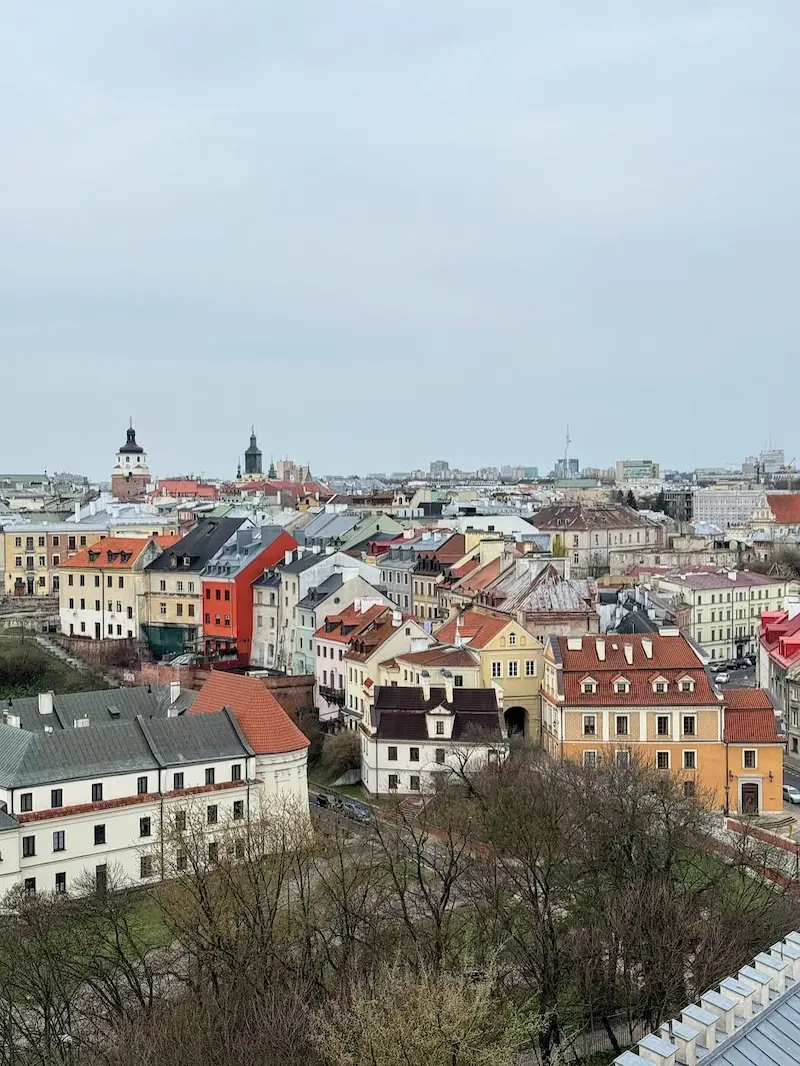
The first stop of my visit to Lublin was its castle, situated on a hill overlooking the Old Town. Formerly a residence of Polish kings, the original wooden stronghold was built in the 12th century and rebuilt several times throughout its history. Once inside, you can see the various layers of Lublin’s history unfolding within the architecture.
Standing atop the Donjon, a medieval tower and the oldest building in Lublin, you realise the city was built on a series of small hills. From here, the view transitions from the historical centre to modern apartment buildings and the remnants of Communism marked by Eastern European block buildings. The empty area right next to the castle (now used as a large parking lot) was once the thriving Jewish district, which was tragically swept away during the Second World War.
⤷ Read more: 21 Most Beautiful Castles in Europe
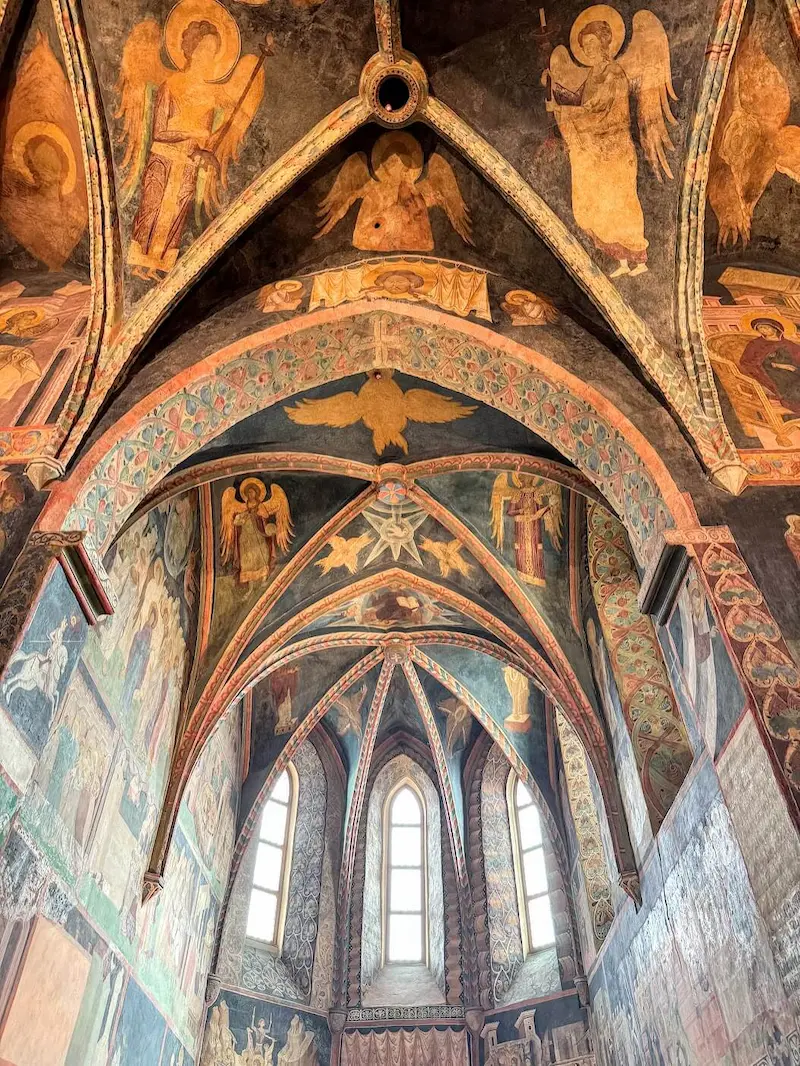
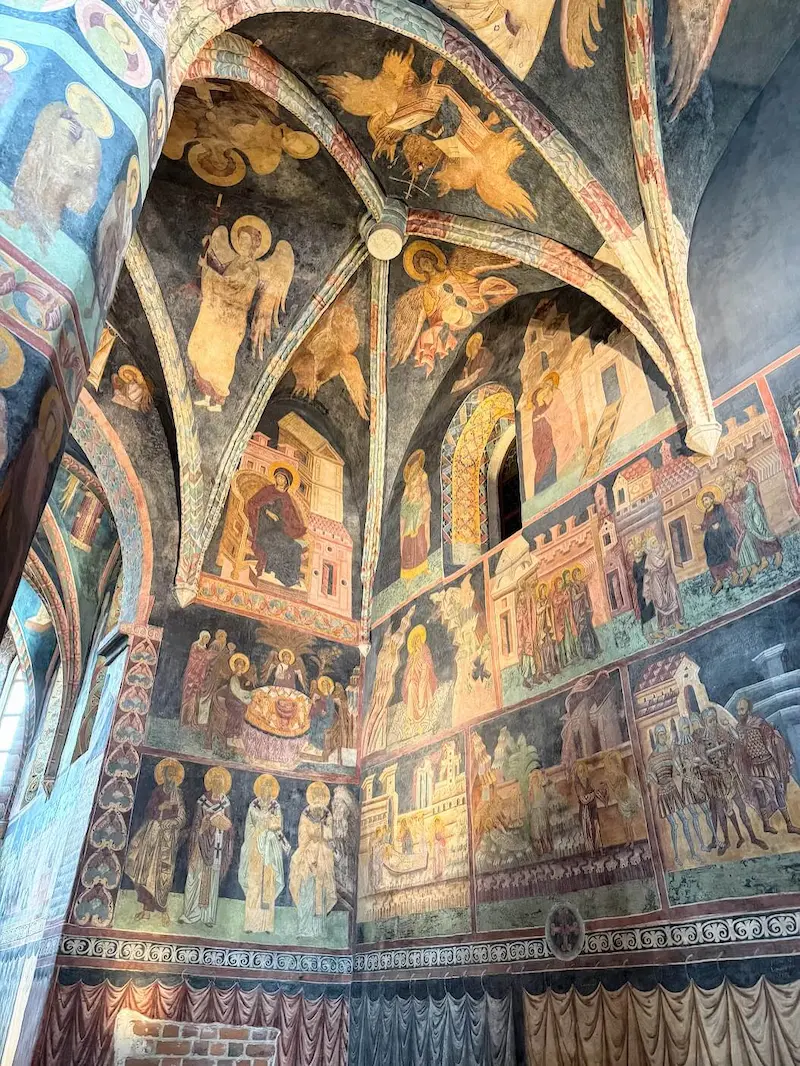
An unmissable site within the castle (that you should include in your Lublin itinerary) is the Holy Trinity Chapel, one of the most important medieval buildings in Poland. While the exterior appears as a typical Central European Gothic chapel, the interior transports you to another world. The walls are covered in Byzantine-style paintings that reminded me so much of the medieval monasteries of Serbia. It is a stunning intersection of East and West.
The castle declined during the 17th and 18th centuries and was repurposed as a prison. It was during this time that the chapel frescoes were plastered over and remained hidden until their rediscovery in 1899. Their renovation took almost a century, and they were finally revealed to the public again in 1997.
Today, the castle also houses the National Museum in Lublin, a great place to learn about the city’s history and some of its famous former residents. Because the castle was the place where the Polish-Lithuanian Union was signed in 1569. So, one of the most important artworks the museum is home to is Jan Matejko’s painting The Union of Lublin, painted in 1869.

However, it’s also a site you shouldn’t miss in Lublin because it’s home to Poland’s only collection of paintings by the iconic Tamara de Lempicka. I enjoyed exploring the fantastic artwork of that inspiring painter so much, so be sure to include it in your list of things to do in Lublin.
⤷ Read more: 16 Inspiring Female Artists from History
Explore the Lublin Old Town
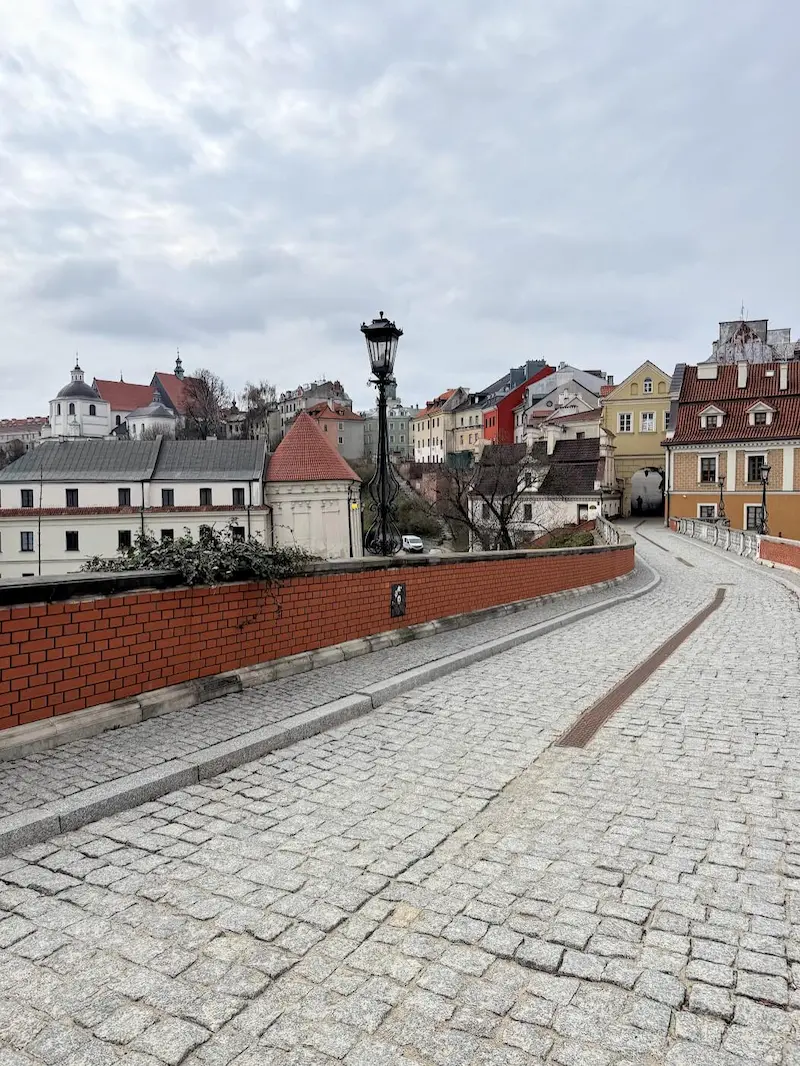
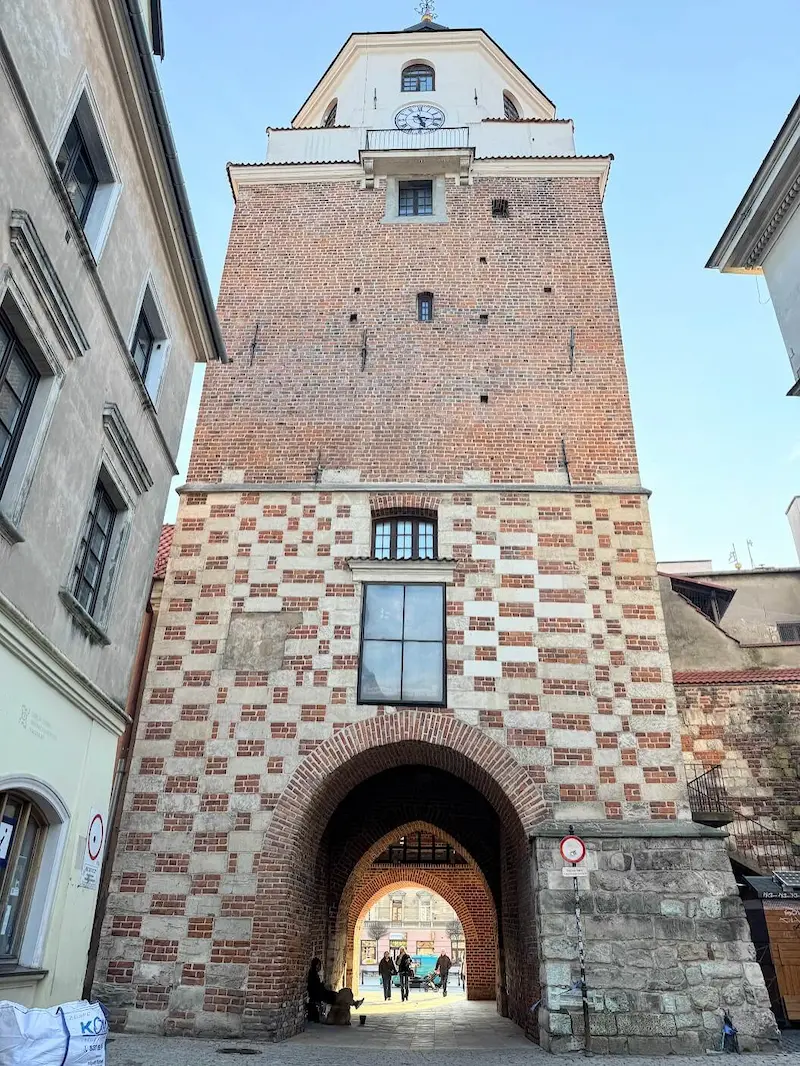
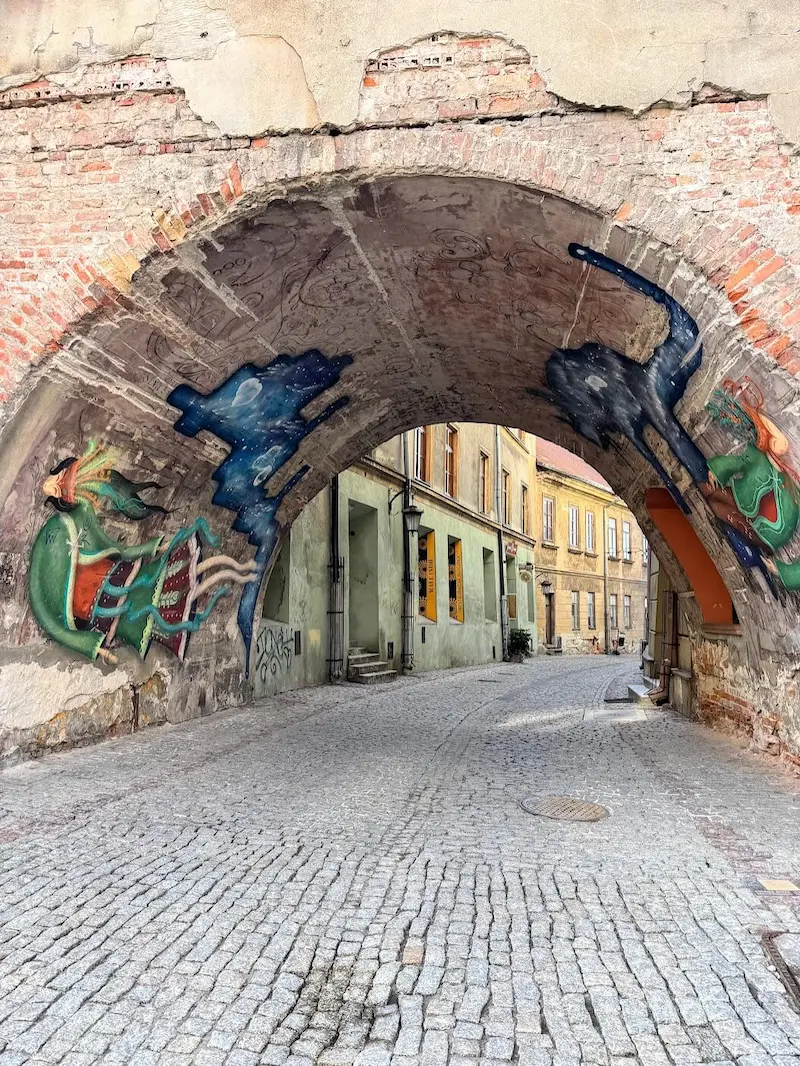
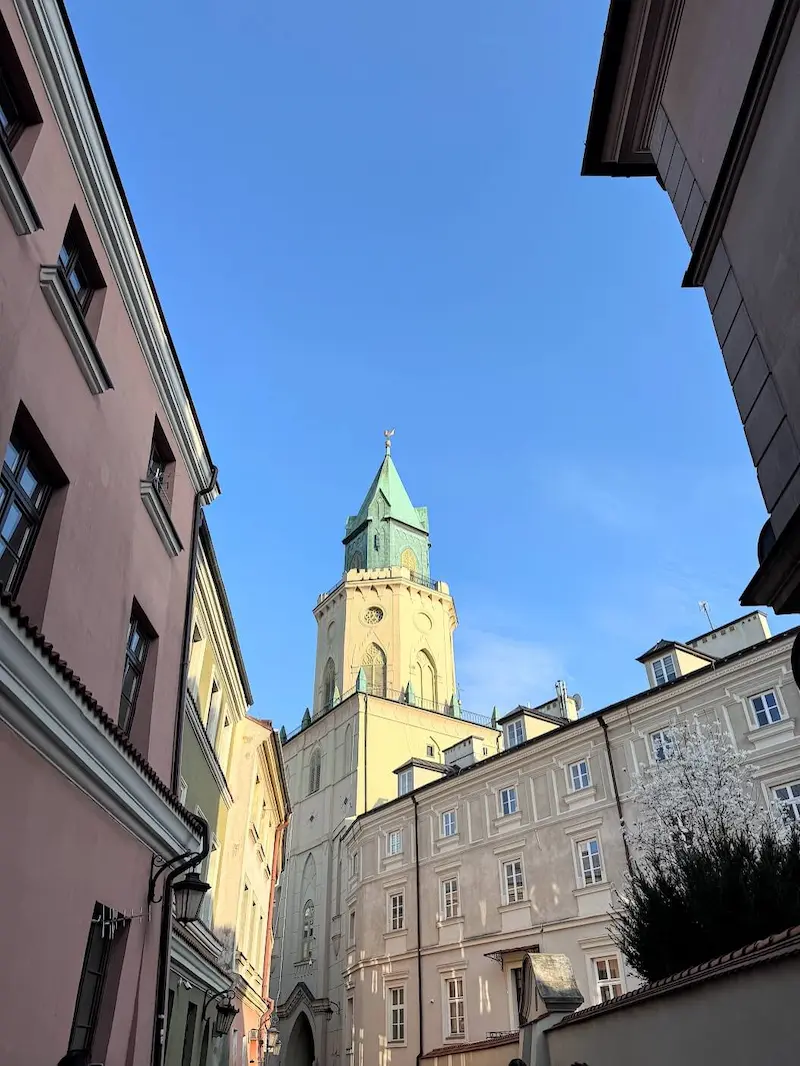
Exploring the Old Town should definitely find its place on your list of things to do in Lublin. The borders of Lublin’s Old Town remain clearly defined by the historic gates: the Grodzka Gate, the Kraków Gate, and the Trinitarian Tower.
The Kraków Gate, dating back to 1341, was reconstructed after various fires and later served as a home for the city trumpeter. Today, it houses the Museum of Lublin’s History and offers a panoramic view of the cobbled streets below.
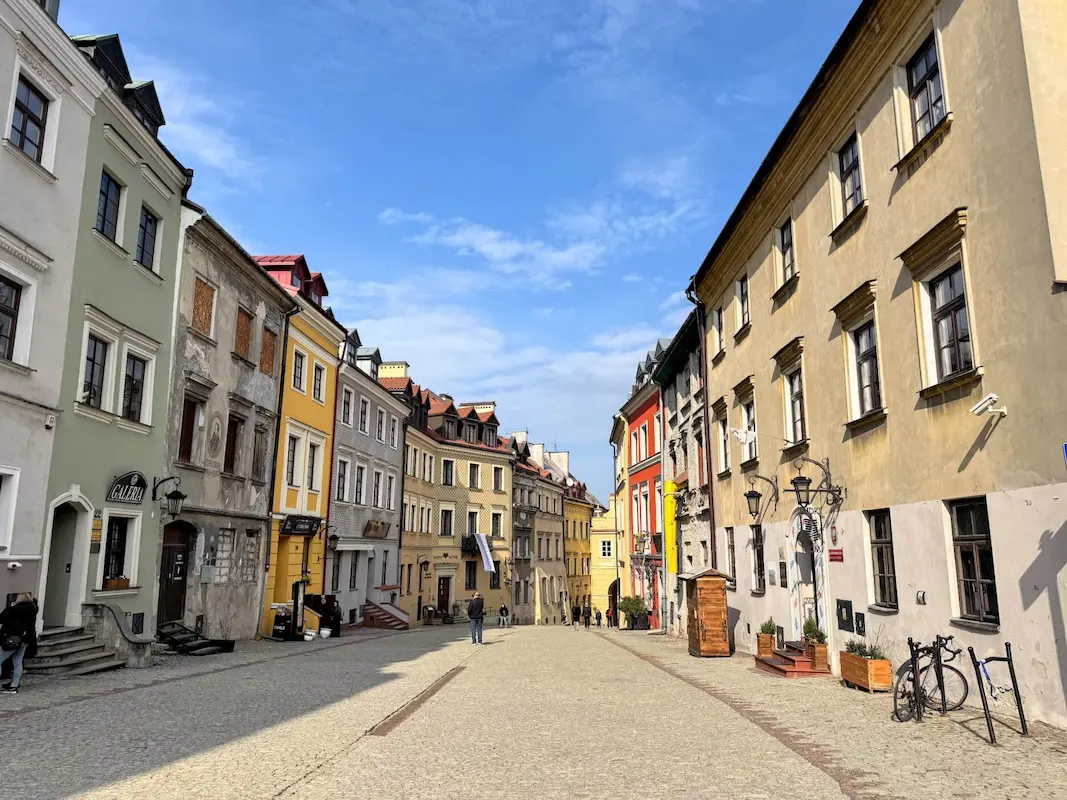
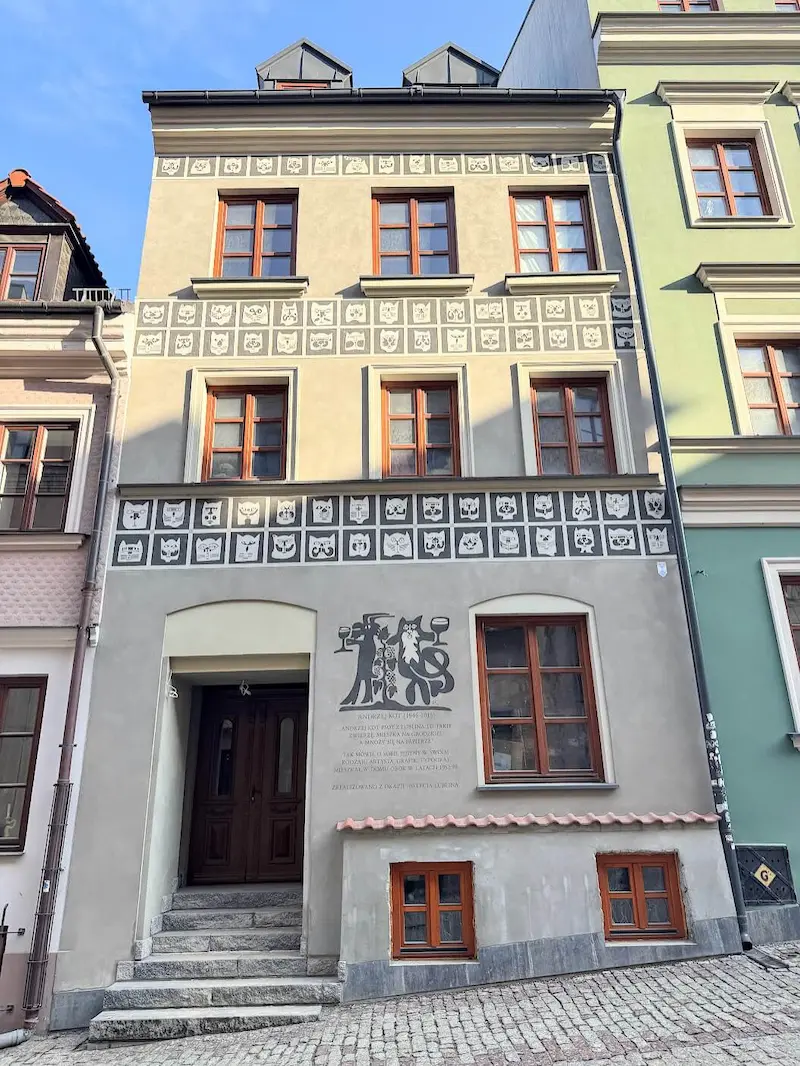
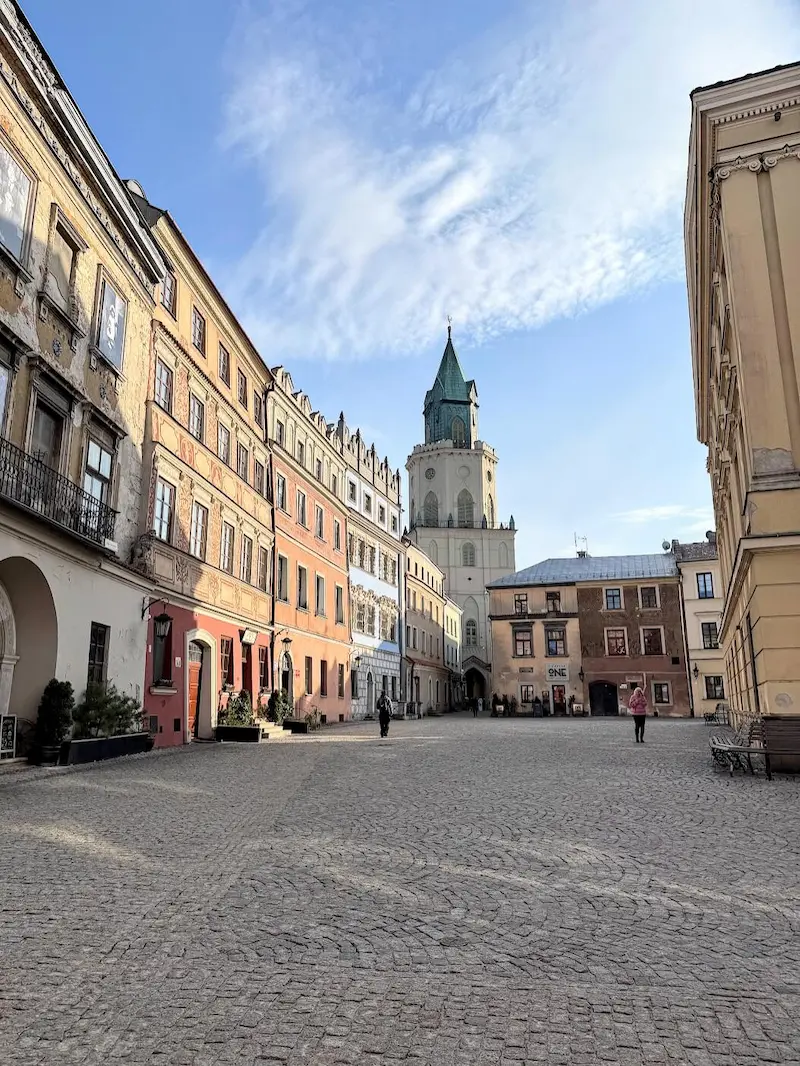
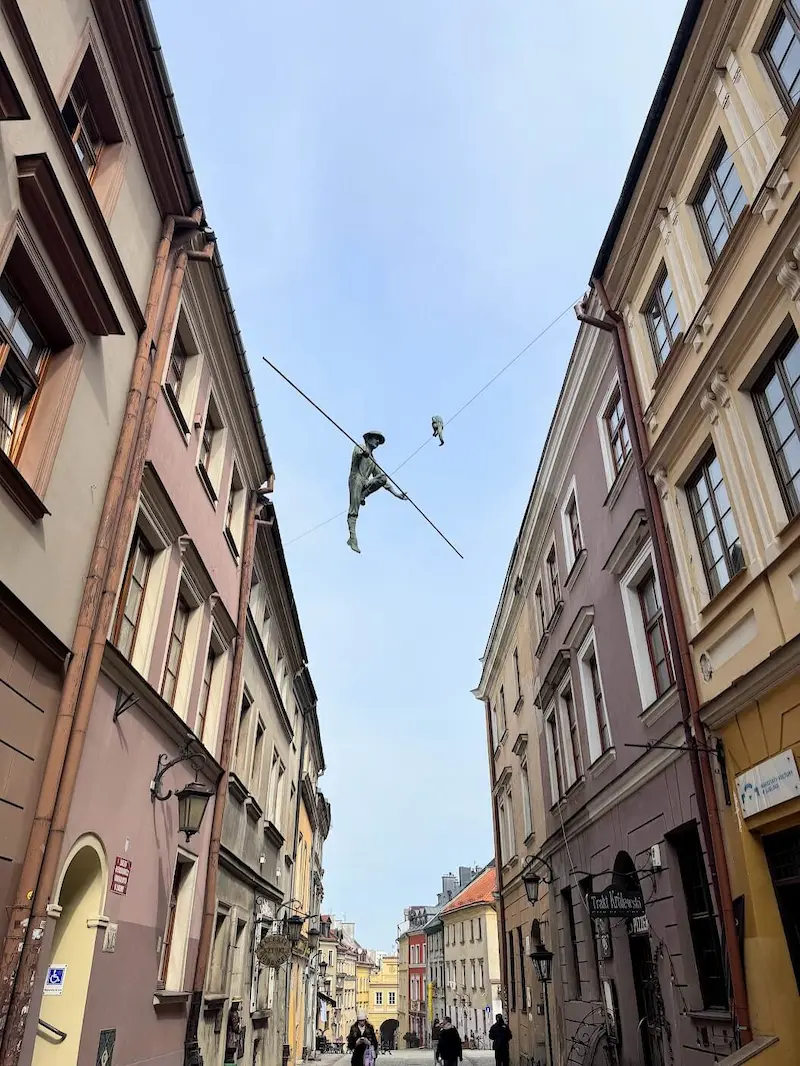
While many houses have been beautifully restored, some of the more weathered edifices provide the charm of a truly historical place. At the Market Square, you will find townhouses in Gothic, Renaissance, Baroque, and Classicist styles.
At the nearby Po Farze Square, archaeological research has found objects dating back to 3000 BC. You can still see the remains of the 13th-century Gothic Parish Church of Saint Michael.
⤷ TIP: Po Farze Square is also a great place to enjoy a panoramic view of the Lublin Castle and its surroundings.
Lublin’s Sacred Spaces & Local Legends
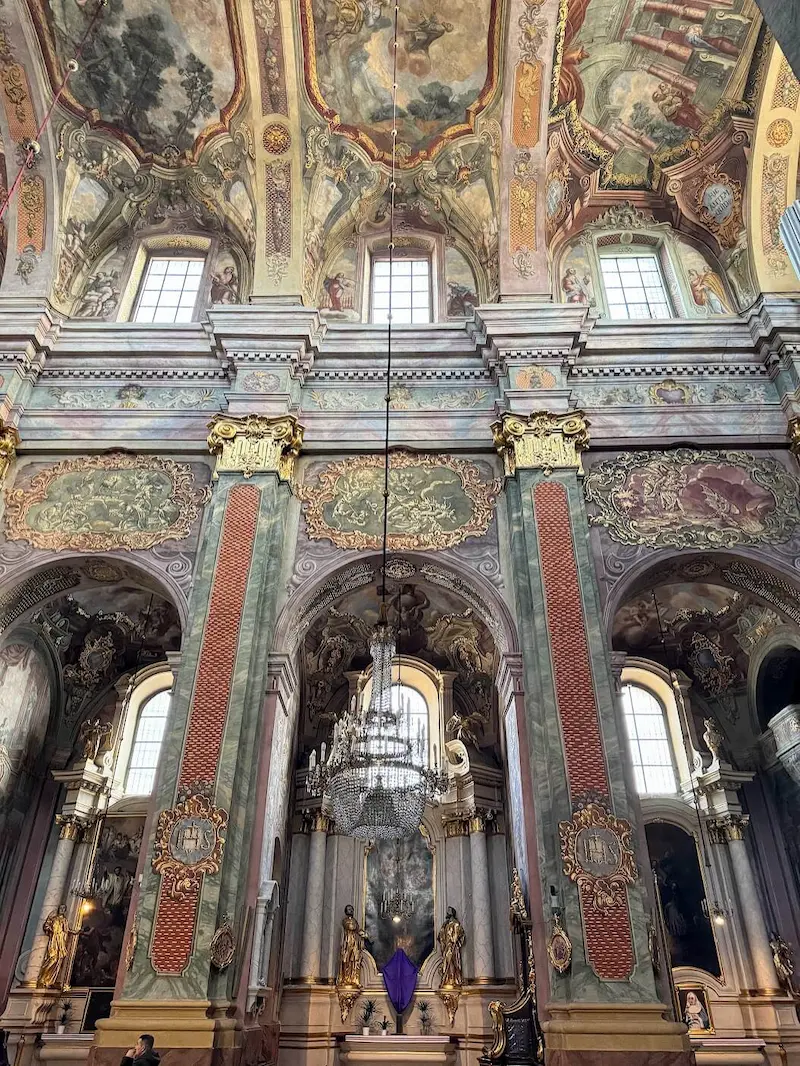
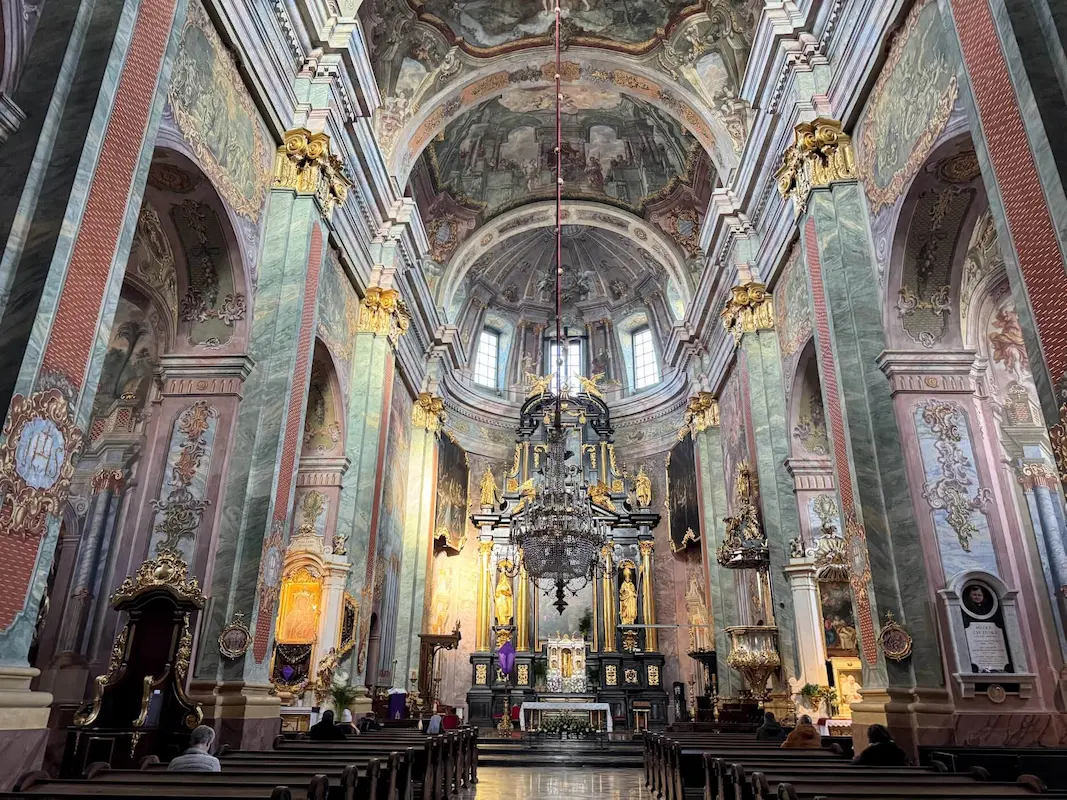
If there is one thing I learned in Poland, it is to always enter the churches; their interiors are often breathtaking.
You’ll find many fascinating churches inside the Lublin’s Old Town. Enter the Basilica of the Holy Cross, built during the 13th century. It belonged to the Dominican Monastery and is still filled with beautiful artwork.
The Baroque Lublin Cathedral is one of the first buildings built in this style in Poland. It was constructed in the late 16th and early 17th centuries. The most interesting features are the wall paintings covering the interior (you should definitely include them on your list of things to see in Lublin).
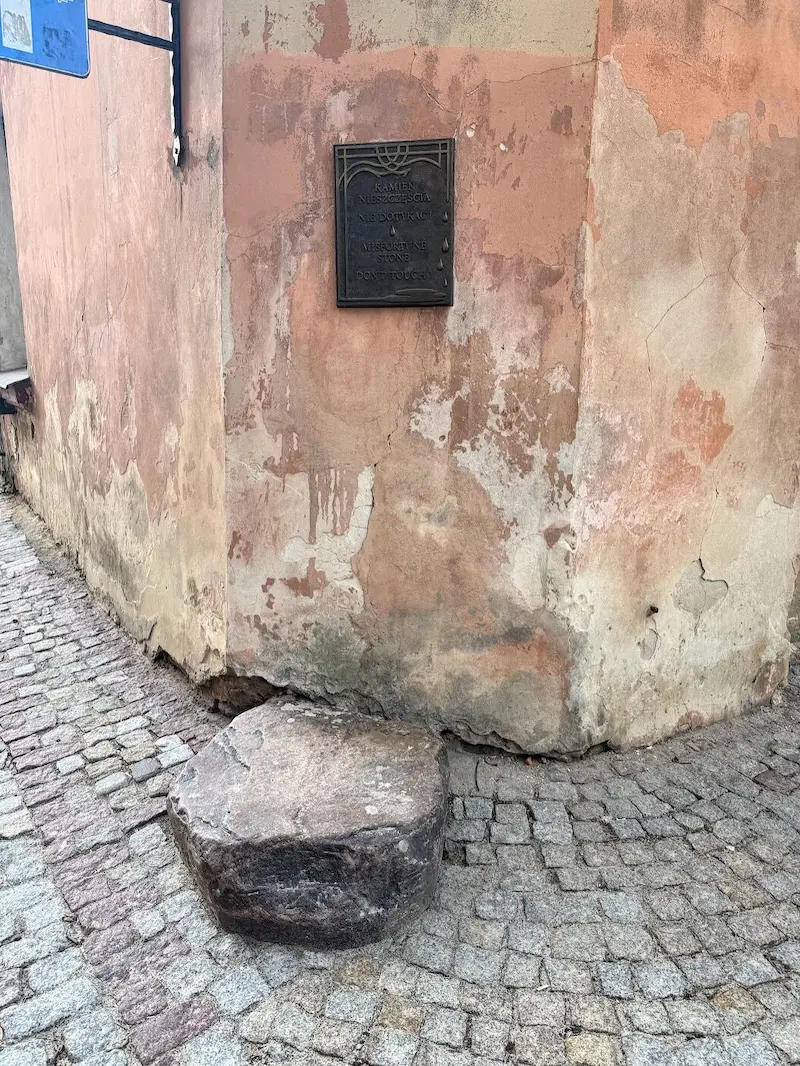
Getting back to the Old Town from the Cathedral through the Trinitarian Tower, you’ll stumble upon the Stone of Misfortune. Be sure not to touch it! Formerly used by the city executioner for beheading people sentenced to death, legend says (and many concerned citizens concur) that whoever touches the stone will soon experience a misfortune. So beware while wandering around Lublin.
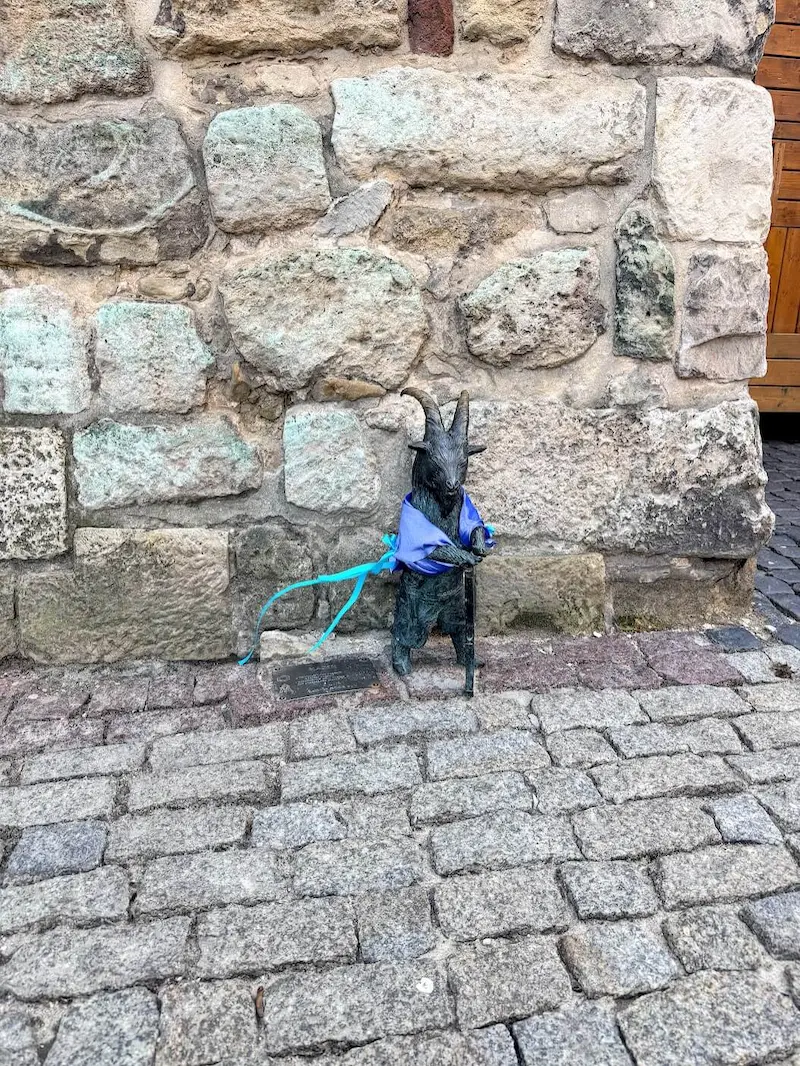
⤷ TIP: Keep an eye out for statues of goats (the city’s symbol) dressed in cute outfits. Scan the QR codes next to them to hear the legends they represent.
⤷ Read more: Most Interesting European Myths & Legends
Visit Litewski Square
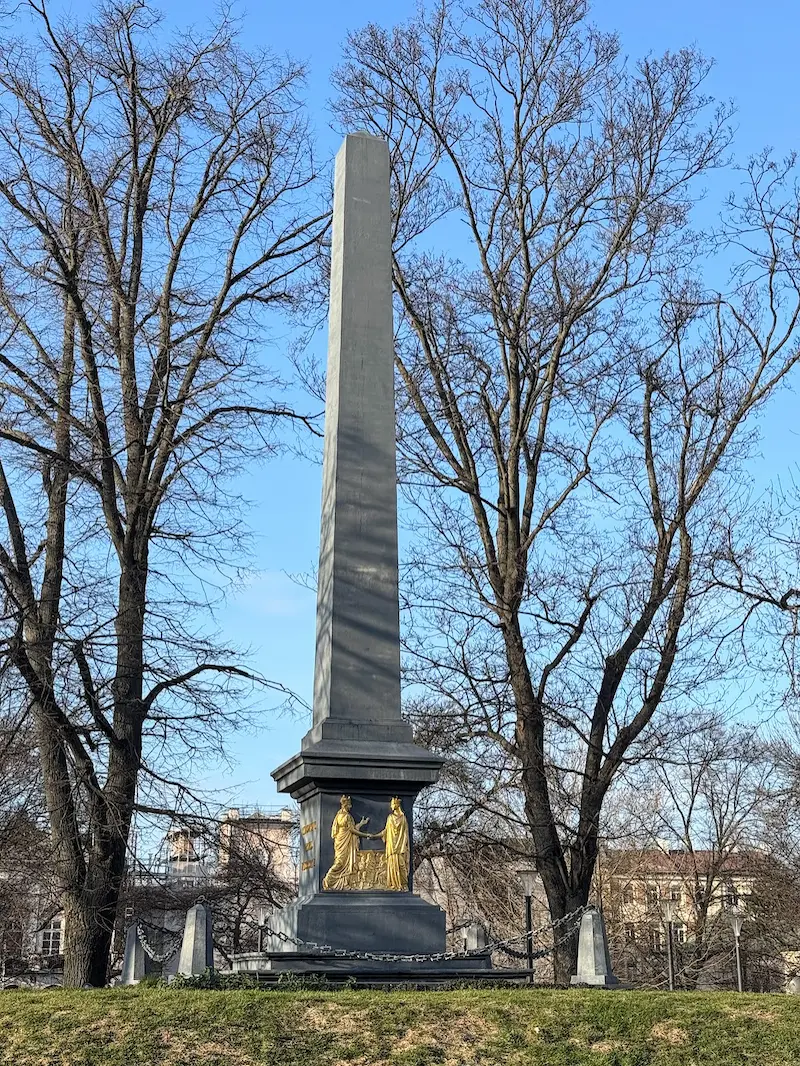
Litewski (Lithuanian) Square is named for the Lithuanian deputies stationed here during the 1569 Lublin Diet. The large area is a lovely place to stroll around, explore some of its monuments, or just relax and people-watch.
Located in the centre of the square, the Monument to the Union of Lublin commemorates one of the most important political acts signed in the city. The obelisk featuring statues of two women personifying the Kingdoms of Poland and Lithuania, was erected in 1826.
Another interesting place there is the Palace of the Czartoryski Family, built in the second half of the 17th century. It changed numerous owners throughout the history and was used as tobacco factory and cinema later on.
Close to it is Europa Hotel, built between 1865 and 1867 in the Polish Neoclassicist style.
⤷ TIP: If you’d like to have a dinner in the area, go to OSTRO! They serve delicious food in a nice setting of a restaurant which turns into a night club later in the evenings. Check out their pizzas and (non-alcoholic) cocktails. Bombardino Czechów Restaurant is owned by the same owner, and it has a similar menu.
Include to your Lublin Itinerary: Try Cebularz bread
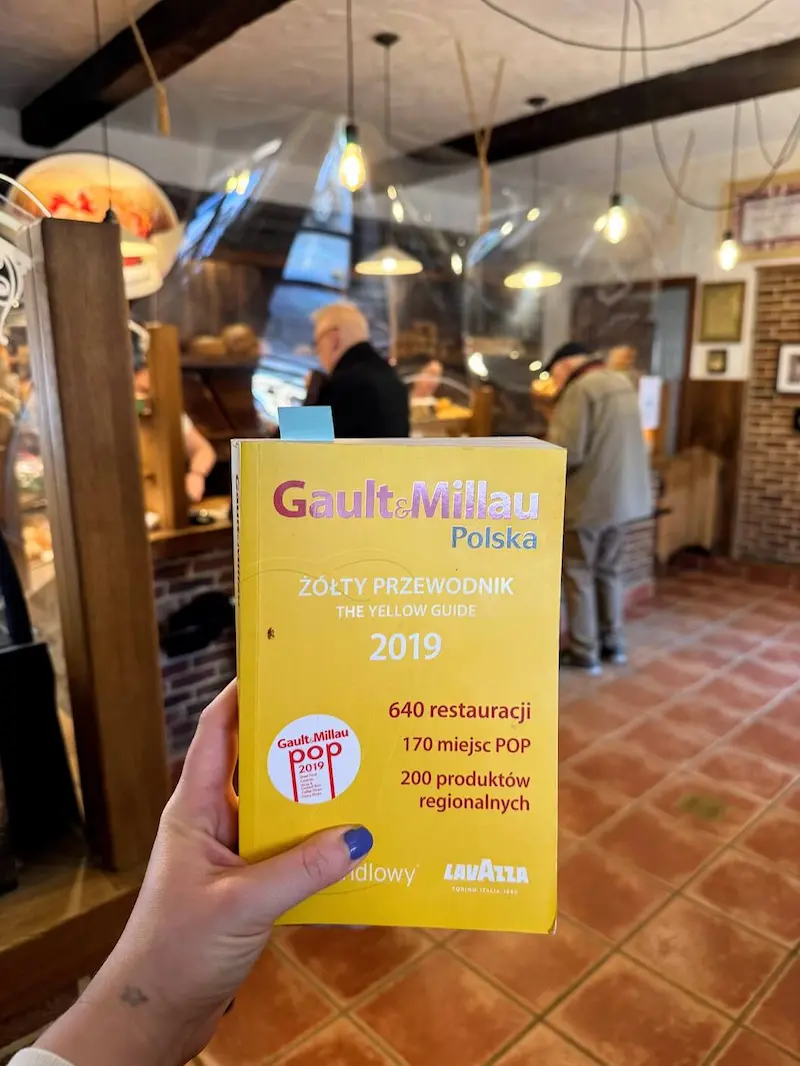
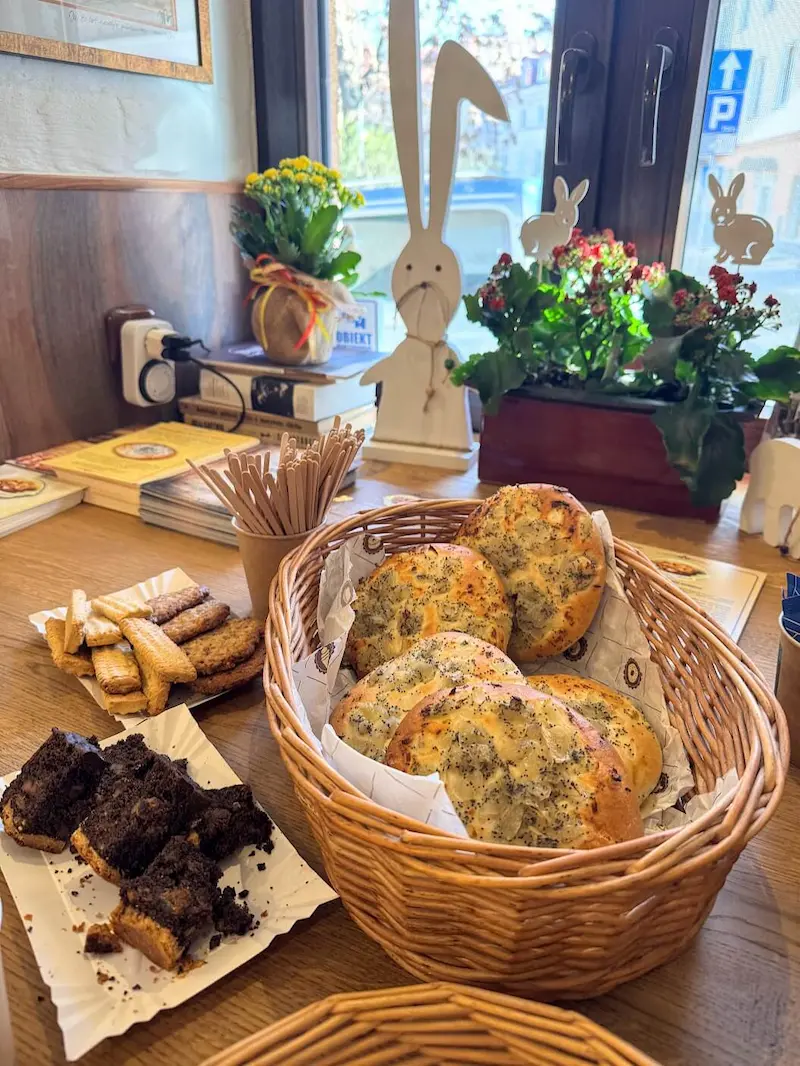
Cebularz is a local flatbread covered with onion and poppy seeds. I tried it in the oldest artisanal bakery in the city, Kuźmiuk Bakery, and highly recommend it!
The legend says it was made by a woman who was visited by an unannounced king. She looked around the kitchen and has quickly put together a delicious pastry. The king liked it so much that it became a regular dish in the palace.
Cebularz is a testament to Lublin’s multicultural past. It was first baked by Jews in Lublin’s Old Town and soon became a symbol of the city.
⤷ Read more: 25 Beautiful UNESCO Heritage Sites in Europe
Memory of the Second World War in Lublin
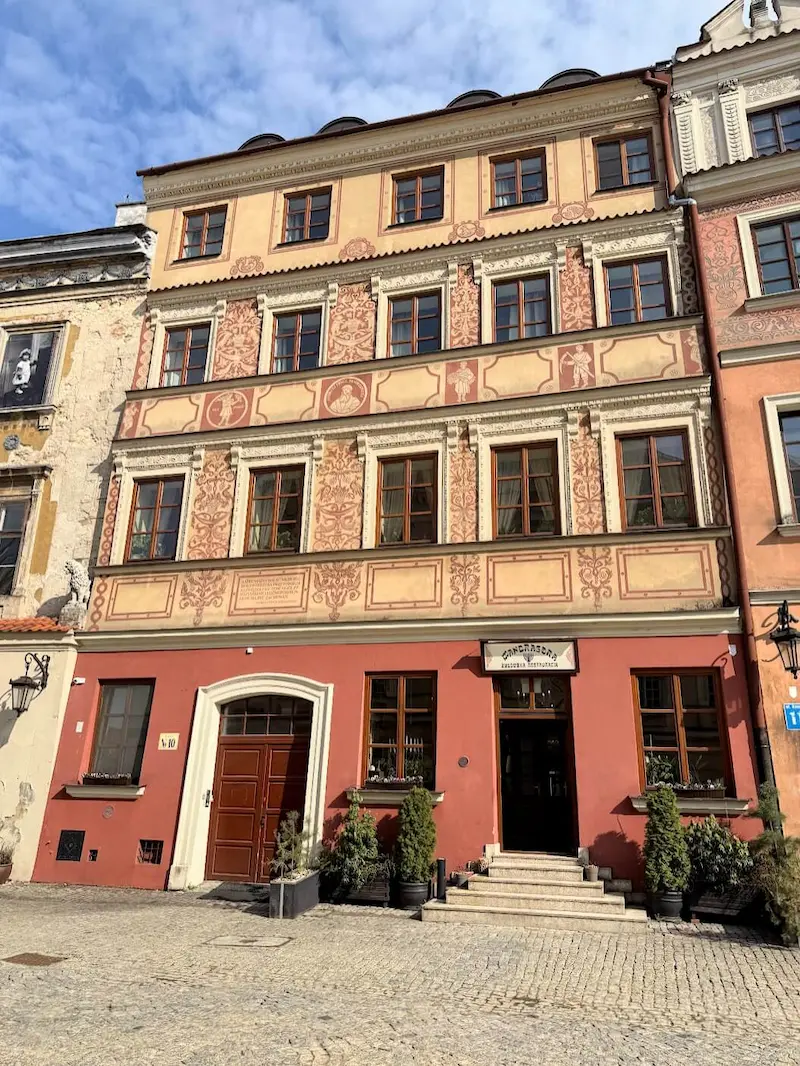
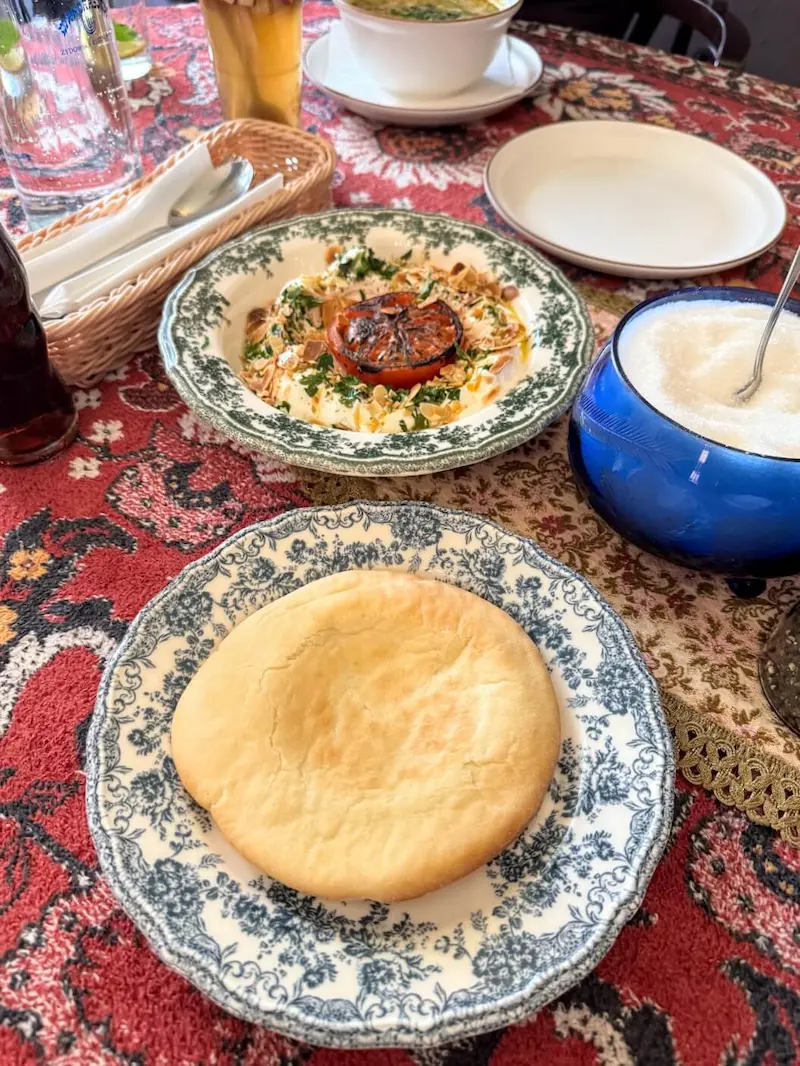
Lublin’s history is deeply marked by the Second World War. Before the occupation in 1939, a third of the city’s population was Jewish, earning Lublin the nickname “The Jerusalem of Poland.” Today, only about 40 Jewish residents remain.
⤷ TIP: For lunch, visit Mandragora, a restaurant specialising in Jewish cuisine, to get a feel for the culture that remains alive in the city today.
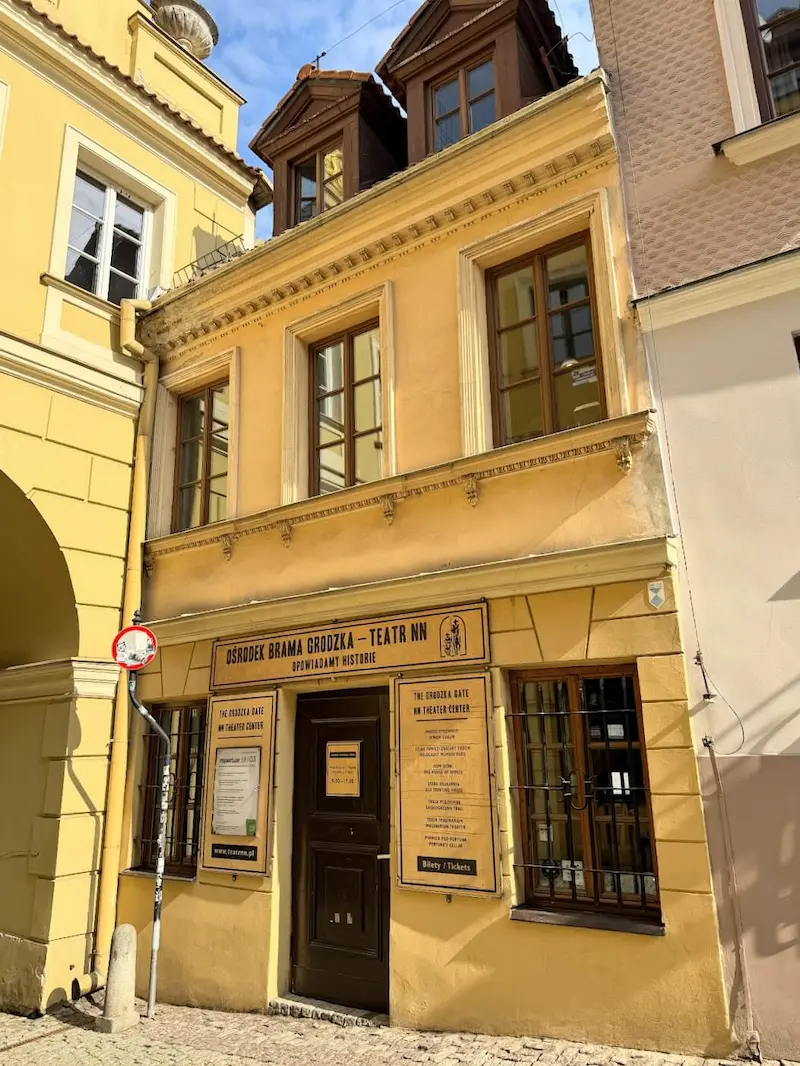
The Grodzka Gate used to be the entrance to the Jewish Town, marking the border between the Christian and Jewish worlds. It was built at the same time as the city walls and was directly connected to Castle Hill. Close to it is a constantly-lit lantern, commemorating the lost Jewish community of Lublin.
The gate now houses The Grodzka Gate Centre – NN Theatre Centre, which researches and commemorates the lost Jewish community of Lublin. I visited it during a guided tour and have learned so much about this part of the history that shouldn’t be forgotten. You’ll also get to learn about the Jewish district in Lublin and locations that no longer exist, such as the Lublin Synagogue.
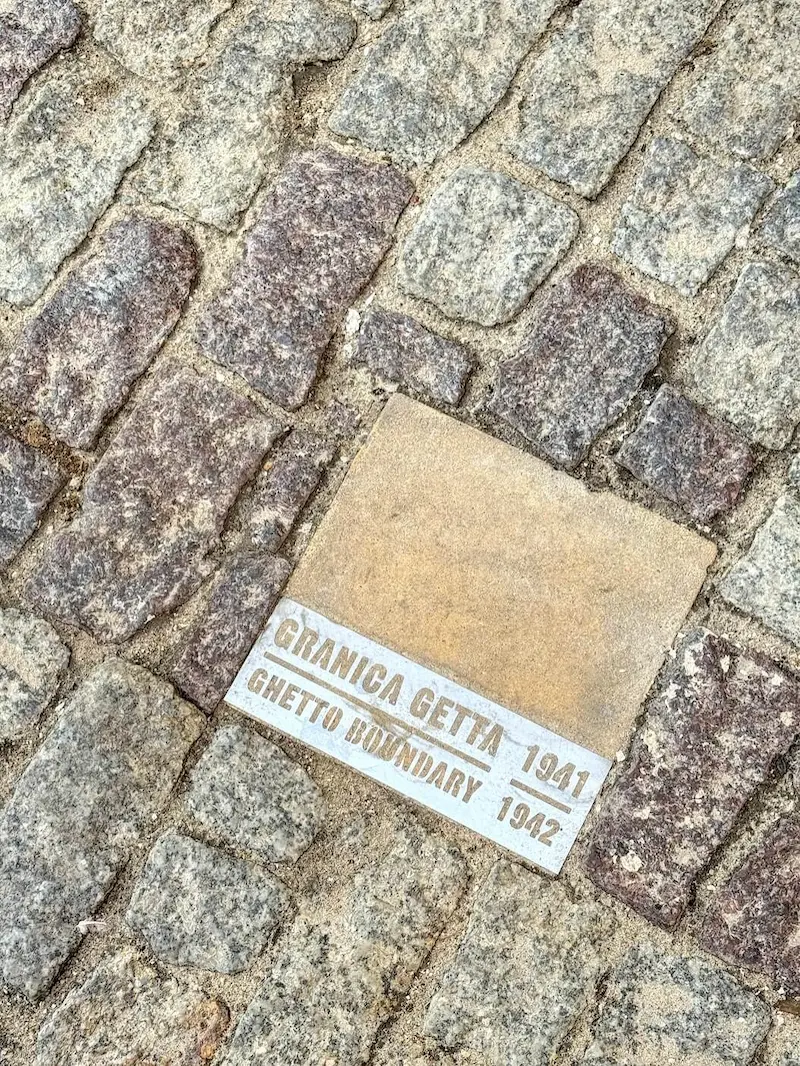
Set up in March 1941, the Lublin Ghetto was one of the first set up by the Nazi regime. Around 34,000 Polish Jews were imprisoned in the ghetto, and most of them were killed. Markings in the streets still show where the borders of the ghetto once stood.
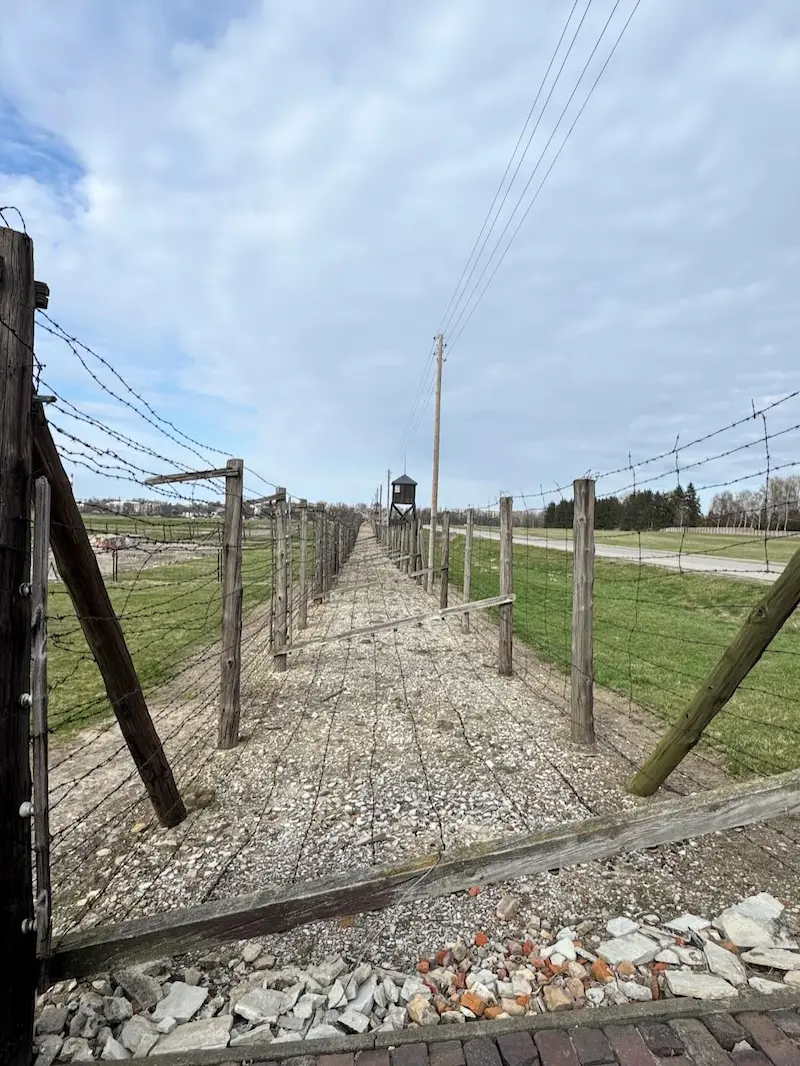
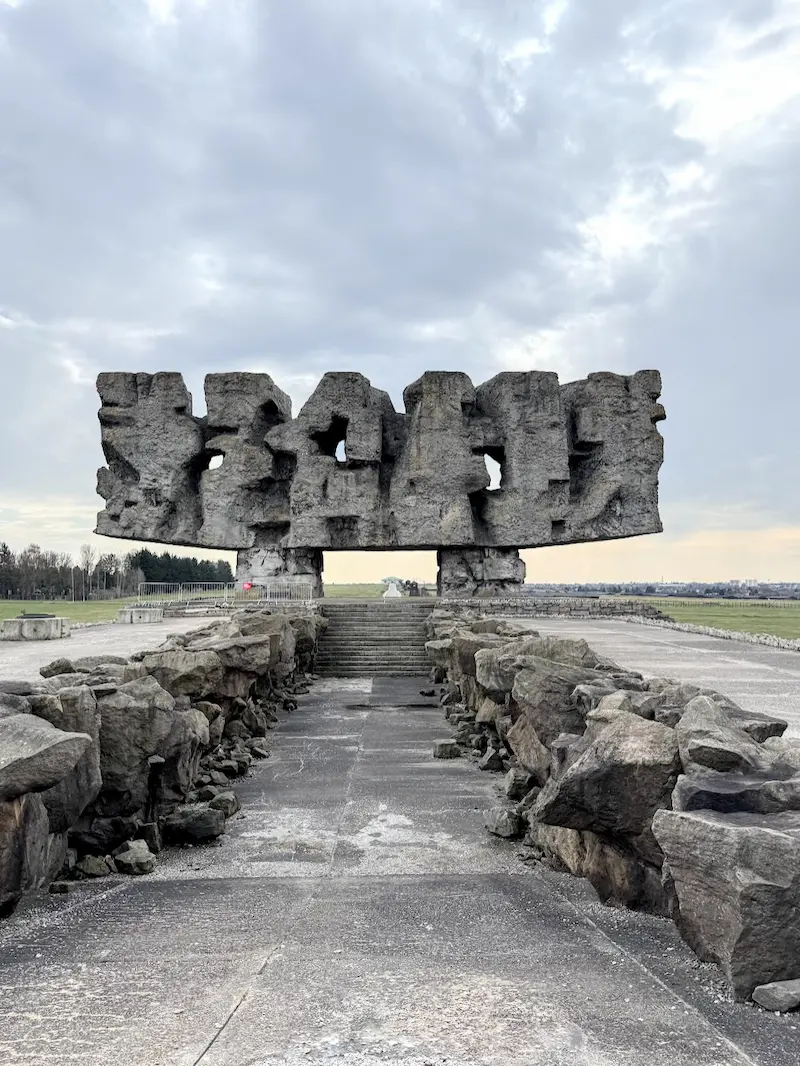
However the dark Second World War history of Lublin doesn’t stop there. The Majdanek State Museum is located on the edge of Lublin, and it’s where more than 78,000 people were killed. The vast area of the former concentration camp is a silent witness to the horrors of the Nazi regime. Visiting the barracks filled with shoes and stepping into the gas chambers is a sobering, haunting experience that stays with you long after you leave.
⤷ Read more: The Best Things to Do in Zamość
Day Trips From Lublin
Zamoyski Palace & Museum in Kozłówka
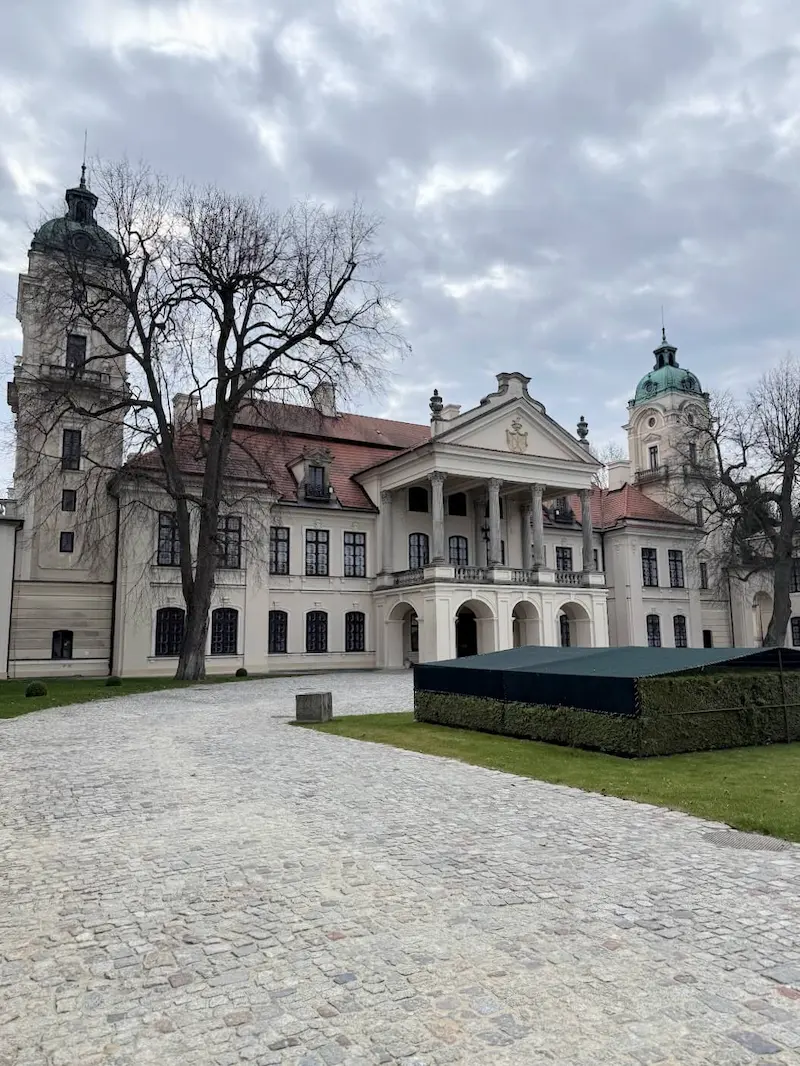
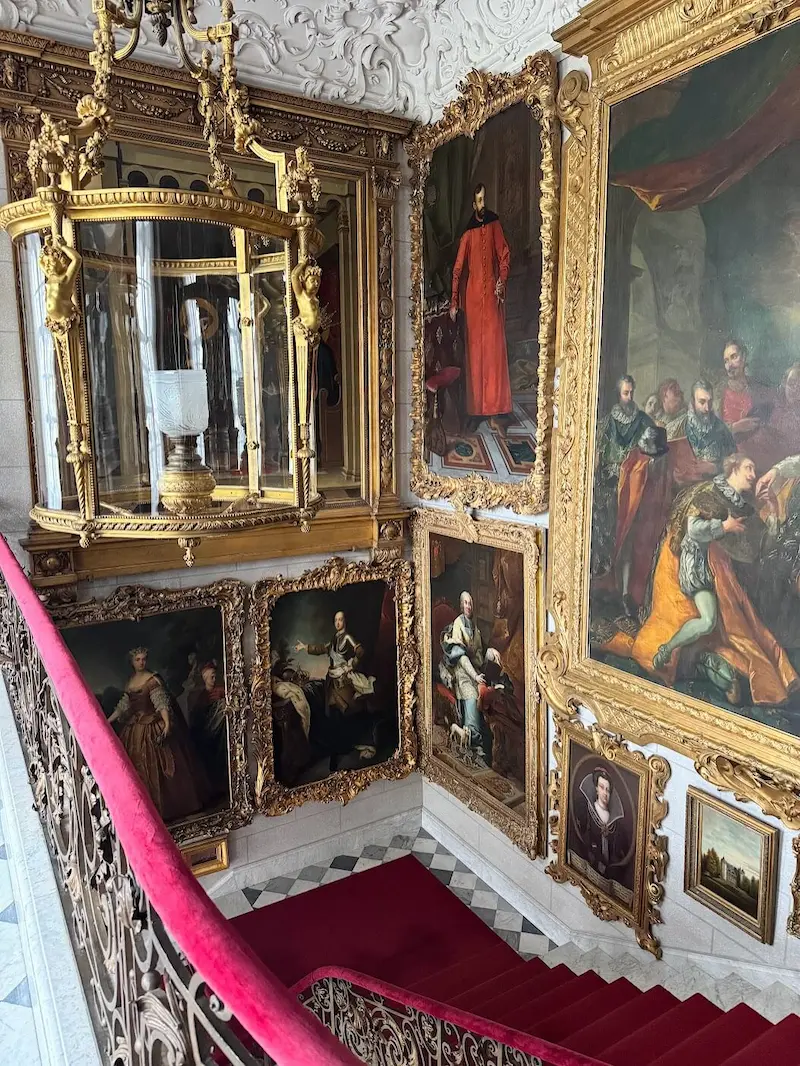
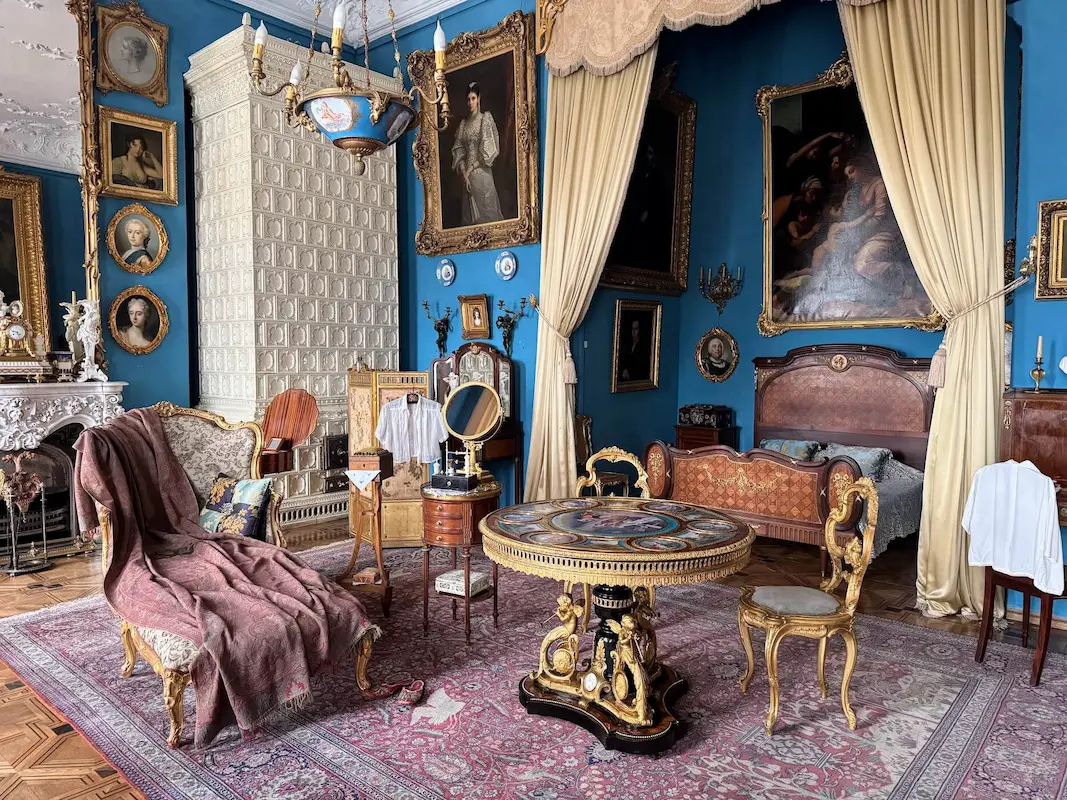
A 30-minute drive from Lublin will take you to one of the best-preserved historical palaces in Europe, the Zamoyski Palace. It was built between 1735 and 1742 in Rococo and Neoclassical styles.
I was fascinated by its beautifully decorated and preserved interior which provides a glimpse into the everyday life of the European nobility between the 18th and 20th centuries.
⤷ TIP: Did you know you can find some wonderful wineries in the Lublin area? After a visit to the Zamoyski Palace, I made a stop at Sienkiewicz Vineyard and tried some of their wines. I was so pleasantly surprised that I have bought a few bottles at Lublin Airport on my way back home (a little tip if you’re like me, travelling with hand luggage only).
The Lublin Open Air Village Museum
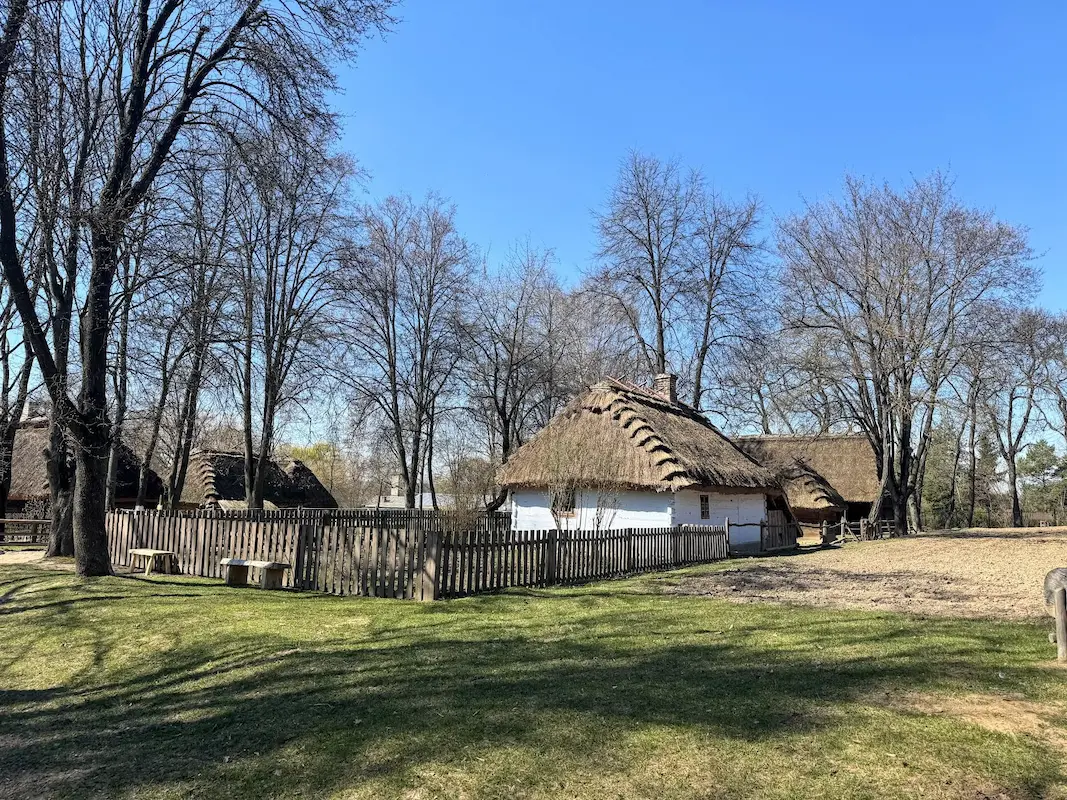
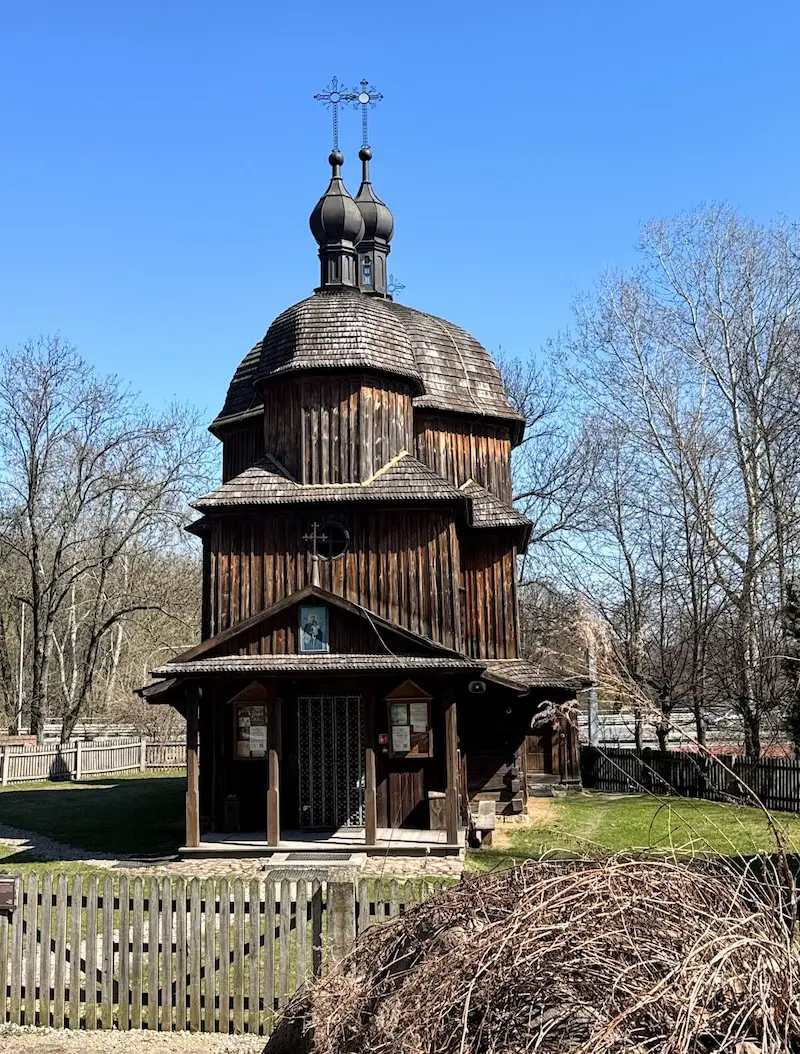
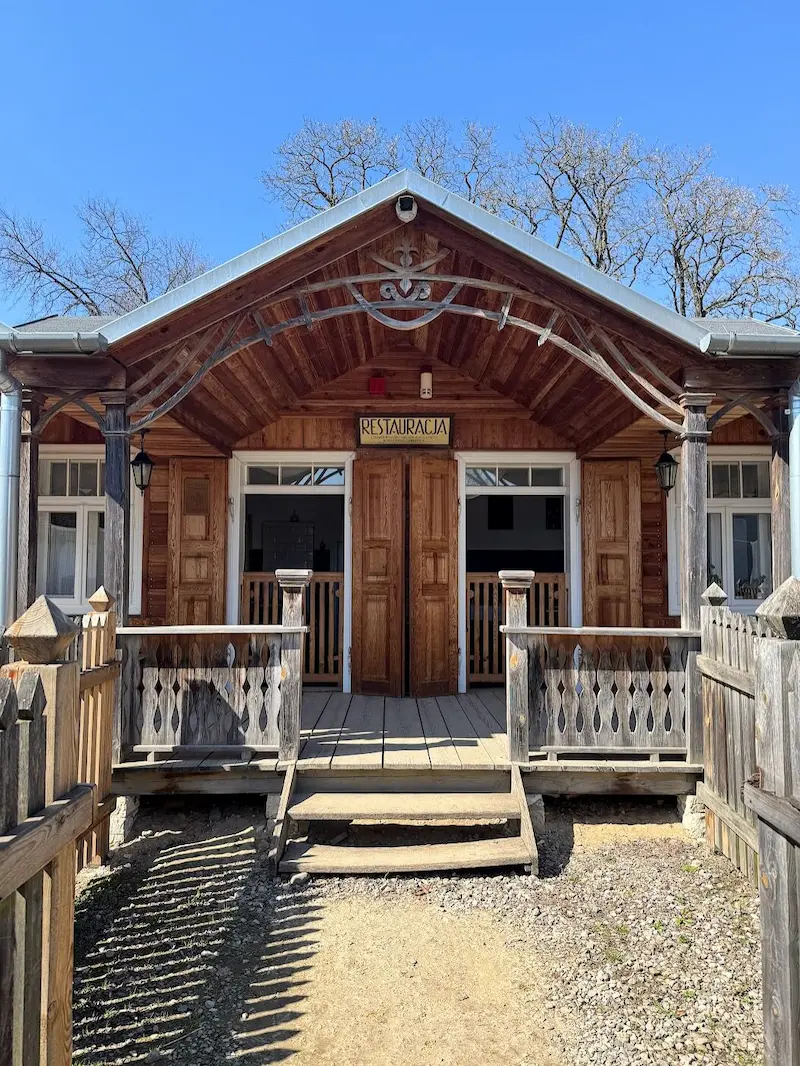
Although it’s located on the edge of Lublin, visiting the Open Air Village Museum will make you feel as if you are in the middle of the countryside. It’s home to many traditional houses brought from various locations in Poland to showcase how the life used to look.
Join one of the guided tours to learn more about the way people lived in the countryside of 17th and 18th centuries Poland, or how the traditional windmills were operated.
Your visit could also be quite interactive, with lots of animals wandering freely around the village and demonstrations of how the food was (and still is) grown in a traditional way.
⤷ Read more: Cultural Tourism Explained – How To Be a Cultural Tourist
Lublin – European Capital of Culture 2029
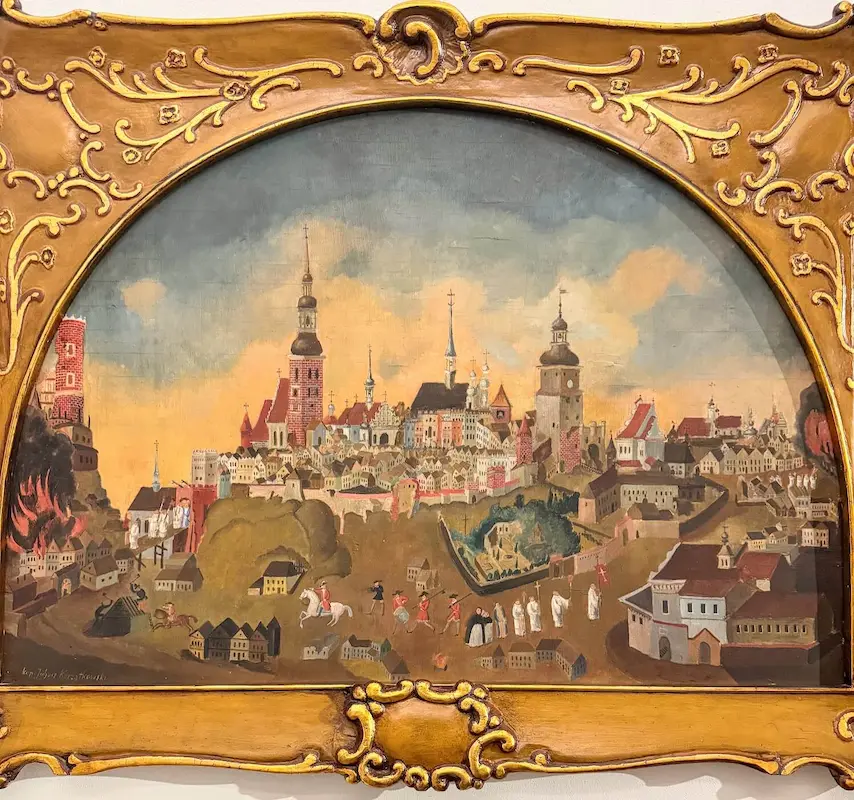
Lublin will become the European Capital of Culture in 2029 and will celebrate the title with hundreds of art and cultural events. The theme of the program will be RE:UNION, with the goal of building a city where culture is an everyday experience.
⤷ TIP: Keep an eye on their official website for the Lublin’s European Capital of Culture program.
Tips for visiting Lublin (& more things to include to your Lublin Itinerary)
- Visit Tourist Inspiration Centre in Lublin – Tourist Inspiration Centre in Lublin is a place to get more of the tourist information, but also a great place to buy some local products, like honey or tea. Check out the official Lublin Tourism Website for more info about the events and updates (address: Jezuicka 1/3, Lublin)
- Stay at the Focus Hotel Premium – I stayed in this 4-star hotel during my trip to Lublin, and loved it! It’s conveniently located at the edge of the city centre. The rooms have a lovely modern design and the breakfast is delicious (address: Podzamcze 1, Lublin)
- Explore Lublin’s Legends – Lublin is filled with fascinating legends and a great place to visit and learn more about them is Avatary Miasta (address – two locations: ul. Rybna 13 & ul. Dominikańska 7)
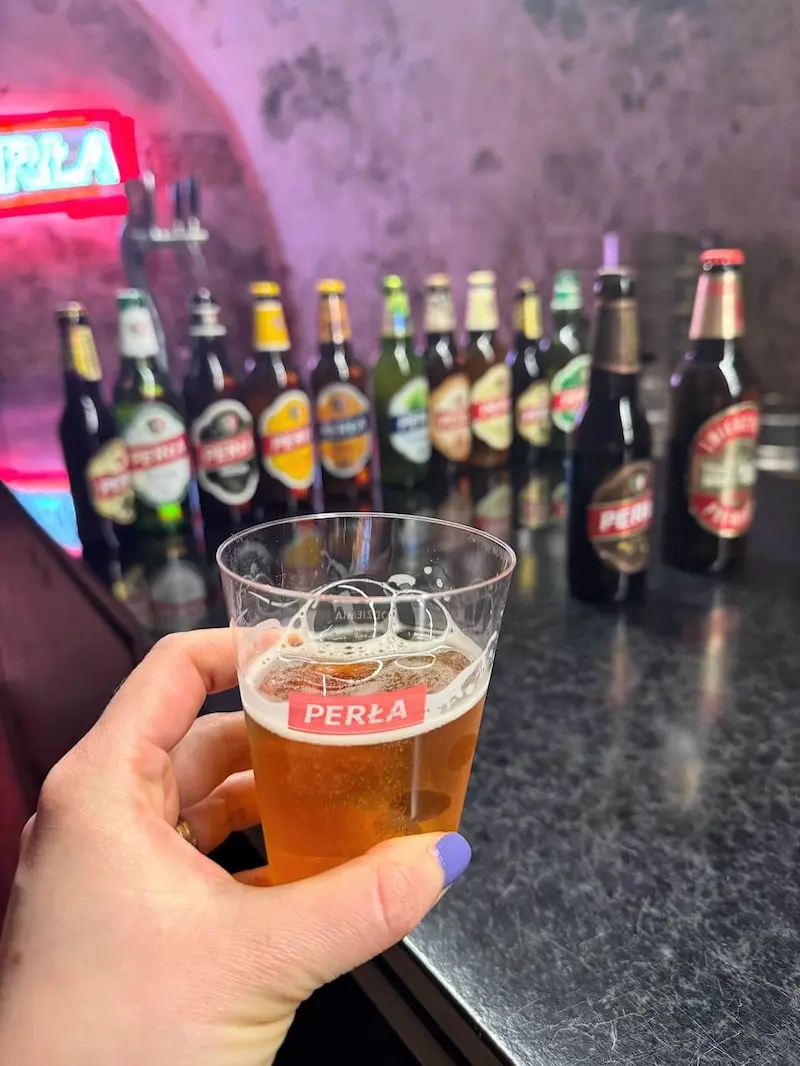
- Explore Perła Brewery – This local Lublin’s brewery produces some very nice beers. My favourite was the honey-flavoured 0% alcohol beer. Trust me, it’s fantastic! You can join one of the guided tours through the cellars and learn more about its history and beer brewing that way. Have lunch or dinner at its restaurant afterwards (address: Bernardyńska 15, Lublin)
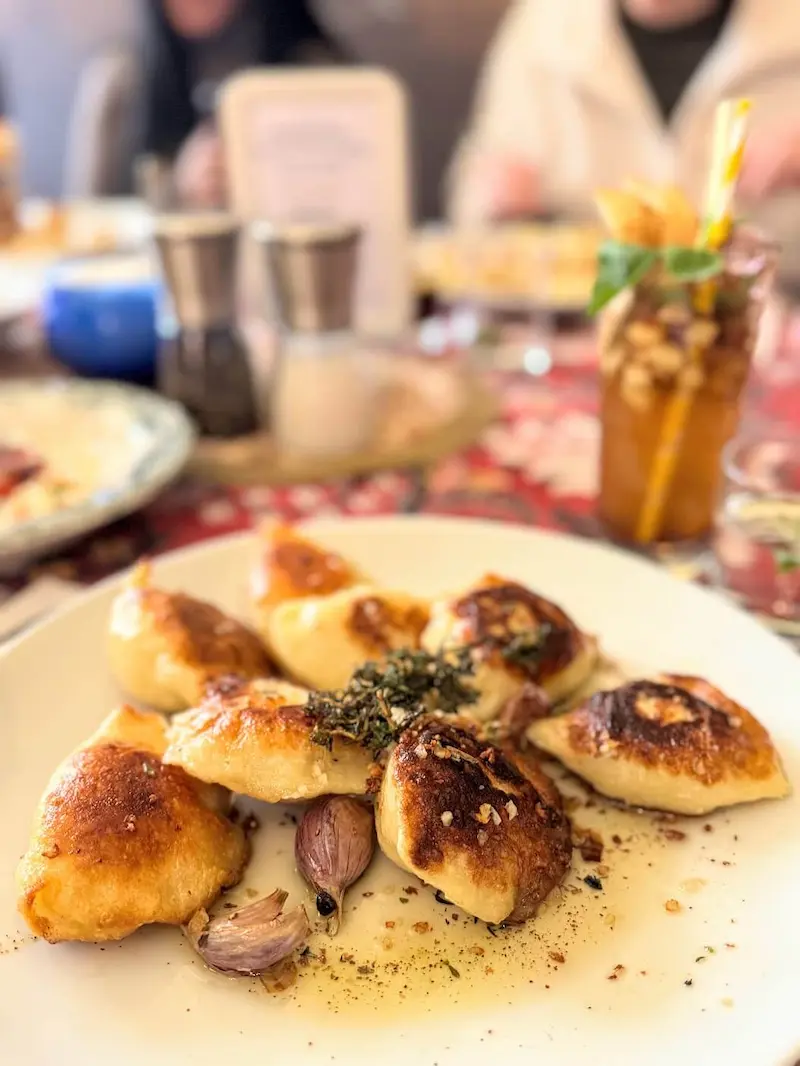
- Have pierogi at Ansaldo – I tried several types of pierogis during my trip to Poland. The best ones were with the duck and goose filling at Ansaldo. Be sure to try them when in Lublin (address: Krańcowa 107A, Lublin)
Whether you are drawn by the echoes of its history, the colourful architecture of its Old Town, or the evocative shadows of its Jewish heritage, Lublin offers a rare kind of authenticity. It is a city that doesn’t just display its history on museum plaques; it lives it through the smell of Cebularz bread coming from its bakeries and the vibrant public art filling its streets.
Lublin has always been a capital of culture and it’s the right time to visit it now!
I visited Lublin on a press trip organised by the Polish Tourism Board in March 2026. Many thanks to them and their local partners in Lublin for organising a wonderful visit to me. However, as always all opinions are my own.