
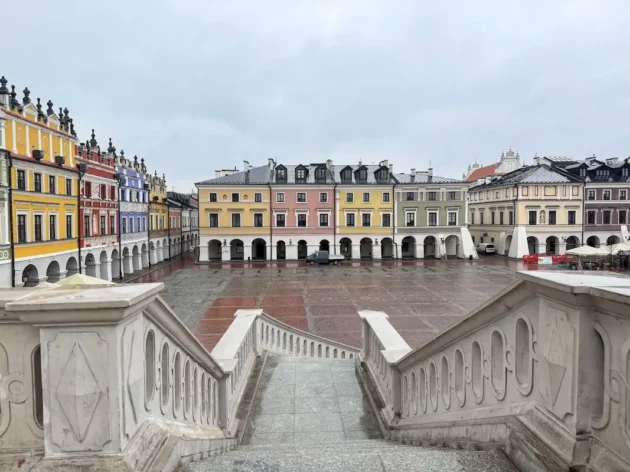
Have you heard of Zamość? That stunning place in Poland is a perfectly preserved Renaissance town, filled with colourful houses, rich flavours, and a complex, multi-layered history. I spent a few days in Zamość exploring its architecture, museums, and past, all while sampling delicious Polish cuisine. If you’re looking for a unique cultural escape, read my 2026 travel guide with the best things to do in Zamość.
The Best Things to Do in Zamość
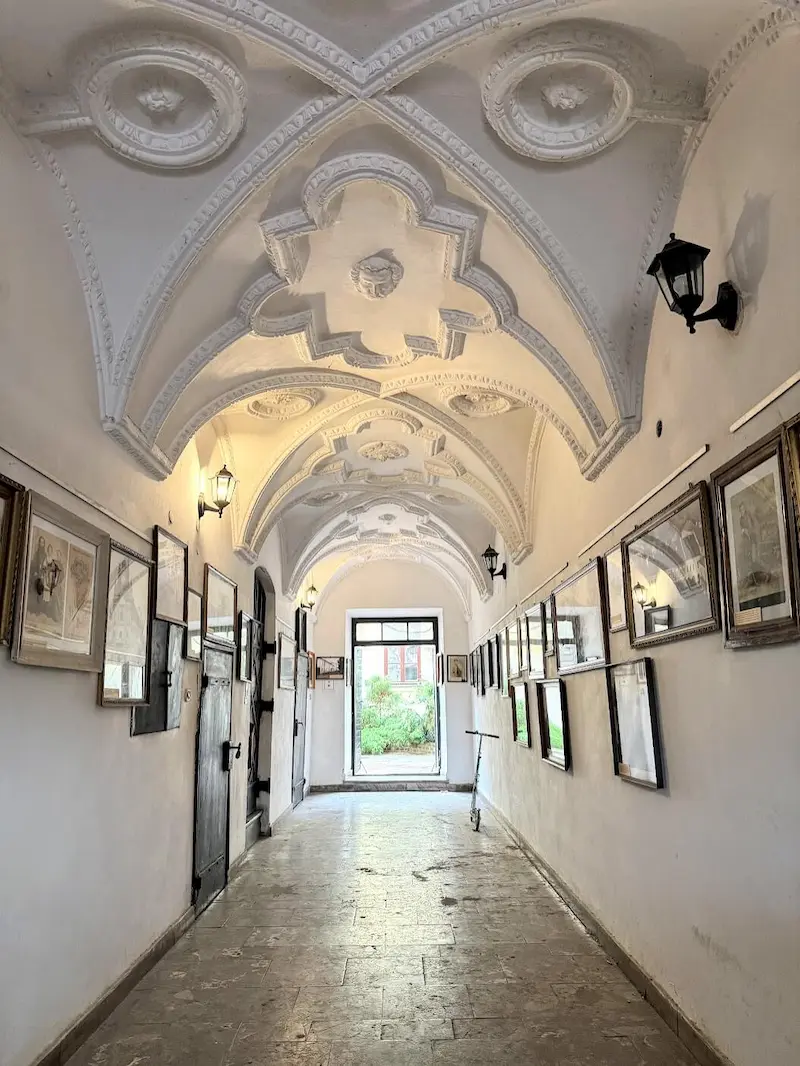
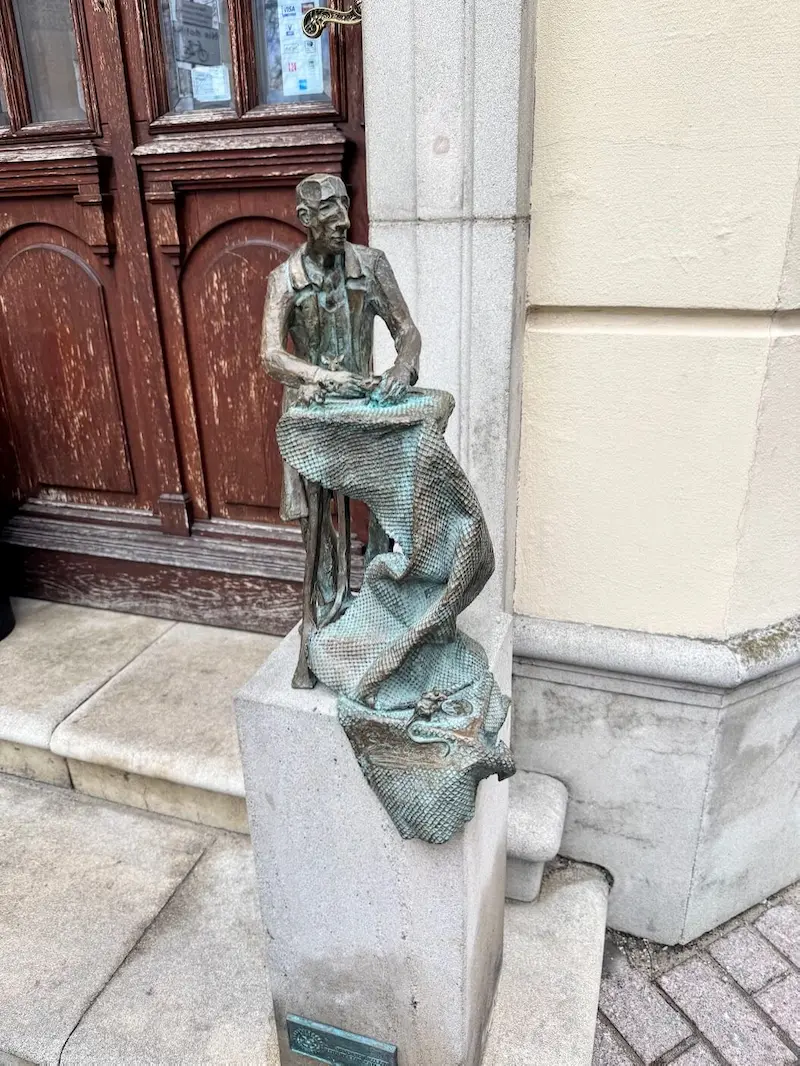
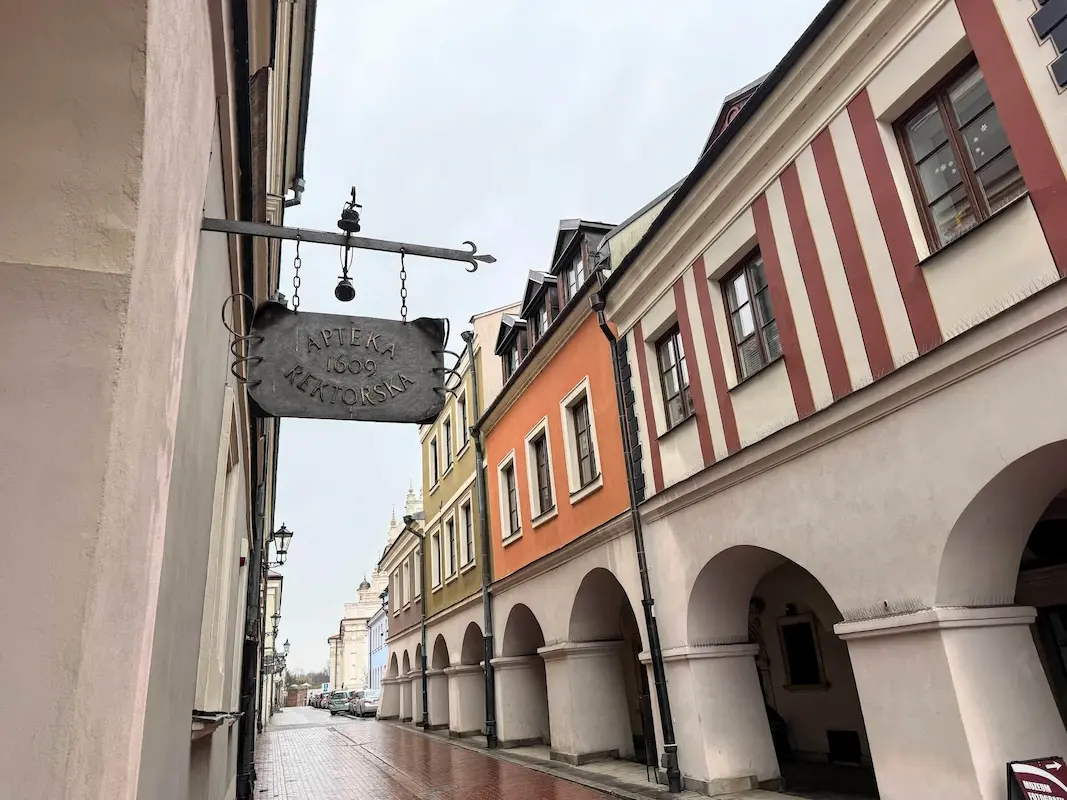
The birthplace of Rosa Luxemburg, Zamość is a UNESCO World Heritage Site in Poland. Founded in 1580, it was built entirely in the Renaissance style. It is one of the few places in Europe where the “ideal city” concept was actually realised, making you feel as if you’ve stepped back in time. The city was designed based on anthropomorphic theories, where the layout mimics a human body: the Palace represents the head, the Town Hall the heart, and the main street acts as the spine connecting the vital organs of the community.
The city was envisioned and founded by the Grand Chancellor of Poland, Jan Zamoyski, who wanted to create a masterpiece of urban planning. He chose a strategic location on the trade route between the East and West, attracting merchants from across Europe, Greeks, Armenians, and Italians, who helped shape the city’s cosmopolitan soul.
Designed by the Paduan architect Bernardo Morando, the Italian influence remains palpable in the historical centre. Morando essentially brought the Cinquecento style directly from Italy to the Polish plains, creating a unique hybrid often called “Zamość Renaissance,” characterised by those elegant attics and decorative crests.
Fortunately, the city has preserved its original layout, from the rhythmic arcade houses to the formidable fortifications that still embrace the town.
⤷ Read more: 25 Beautiful UNESCO World Heritage Sites in Europe
Explore the Great Market Square
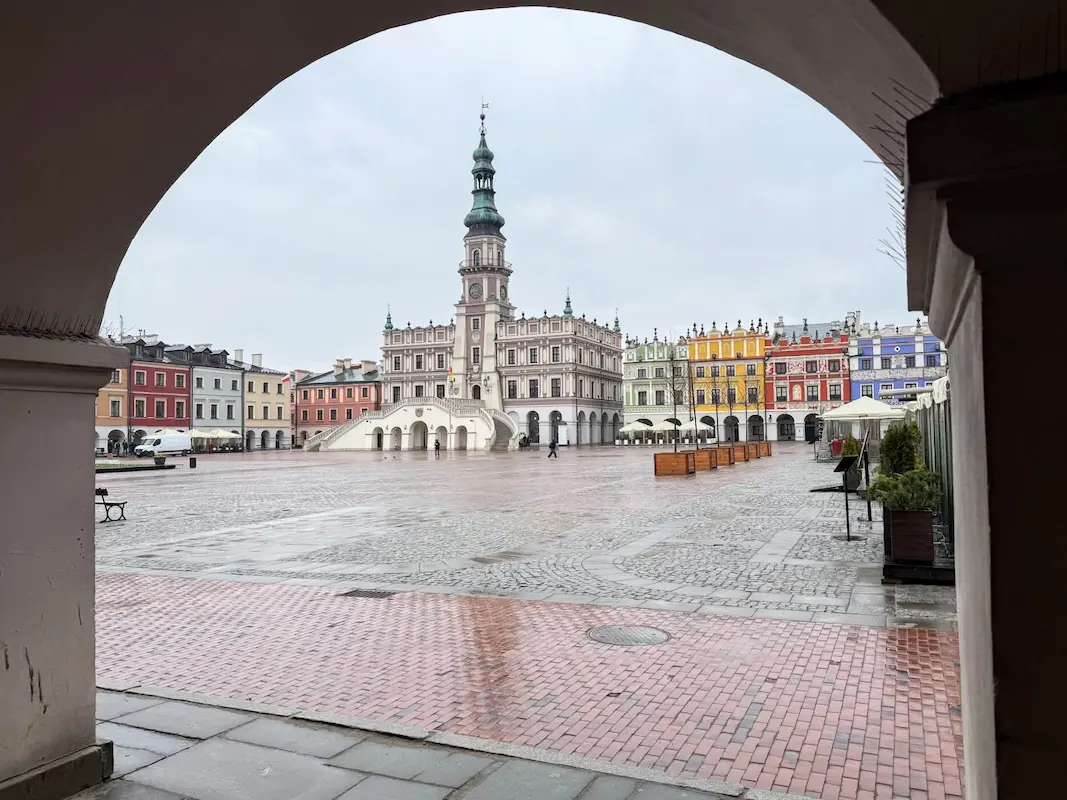
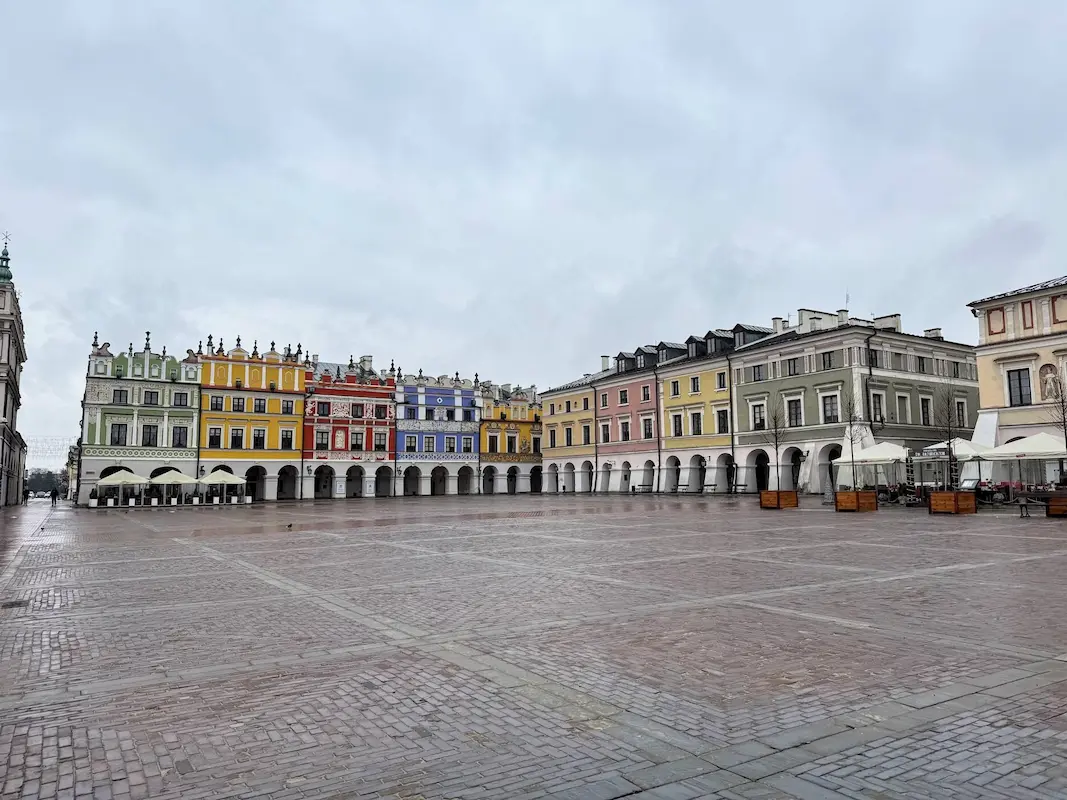
The heart of Zamość is the Great Market Square (Rynek Wielki), a perfect 100-by-100-metre square. Surrounded by elegant arcade houses, it feels like a slice of Northern Italy transported to Eastern Europe. However, the scent of the traditional Polish dumplings, pierogi, wafting from the cellars quickly reminds you where you are.
The main building on the square is the Zamość Town Hall, featuring a magnificent fan-shaped staircase and a 52-metre-high clock tower. While the building looks purely decorative, its Mannerist style was a deliberate power move by Zamoyski to show off his wealth and taste to the Polish King.
If you visit during the summer at noon, you can hear a bugle call played from the tower. But, curiously, it is only played in three directions. Legend says Zamoyski disliked Kraków, so he forbade the trumpeter from playing toward the south.
⤷ TIP: If you want to catch the famous bugle call, be at the Great Market Square at exactly 12 pm. It’s a short performance, so be sure to be there on time.
Visit the Colourful Armenian Houses
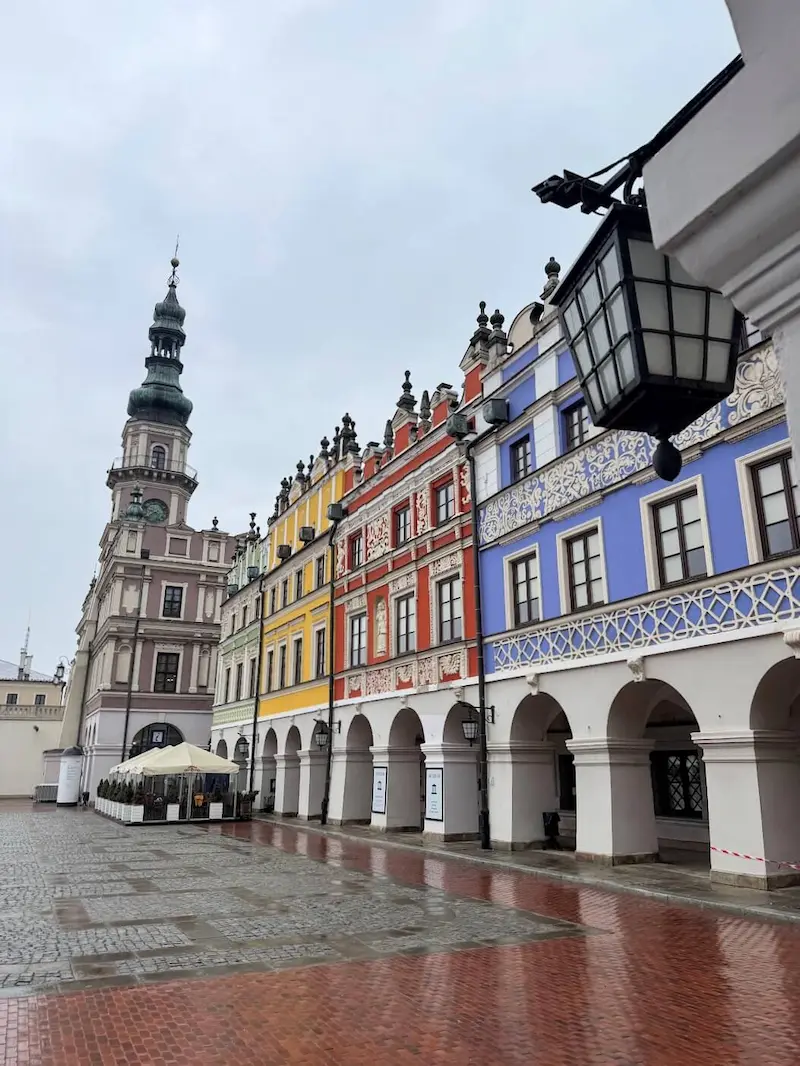
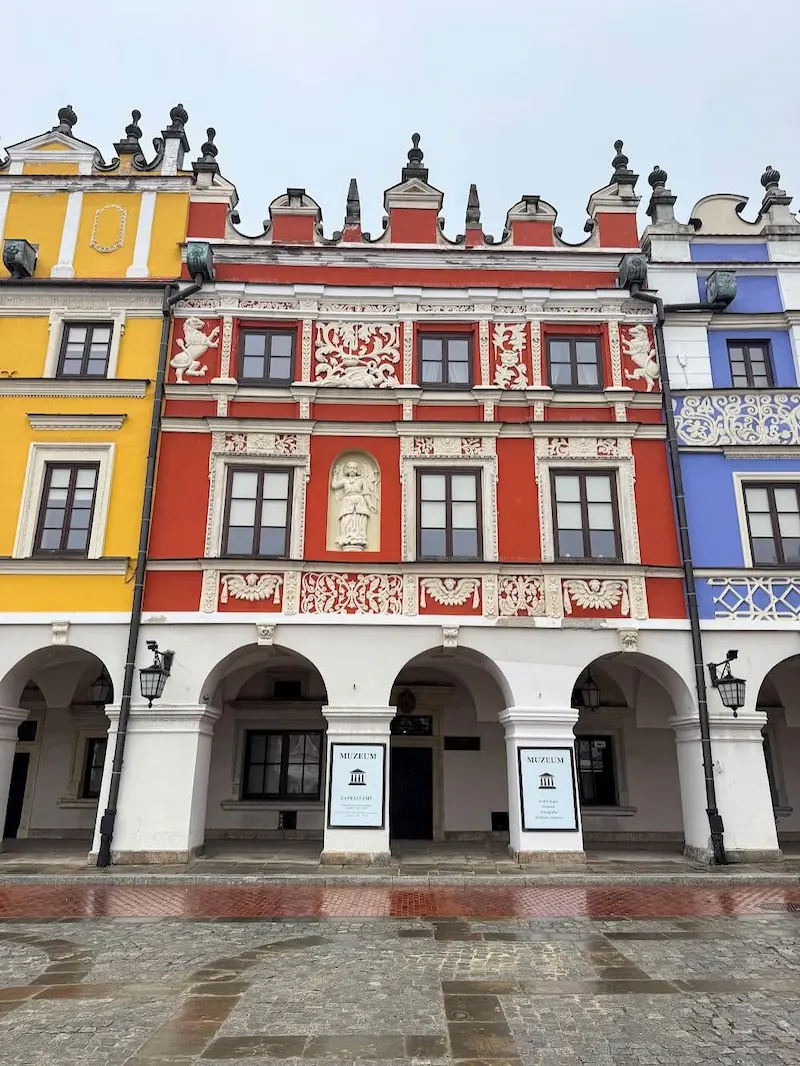
Right next to the Town Hall are the famous Armenian Houses. These are perhaps the most photographed buildings in Zamość because of their vibrant colours and intricate friezes. Armenian merchants were vital to Zamość prosperity, and their homes reflect a fusion of Eastern decorative motifs and Western Renaissance proportions.
The Red House is home to the Zamość Museum. It was built in 1630s, and decorated by the statue of the Archangel Gabriel holding a lily. In the second floor, statues of lions are protecting the house against the evil, represented by the statue of a dragon. This “Wilczek House” is a masterclass in a historical storytelling through stone, where every carving served as a visual protection for the residents within.
Other Armenian Houses bare interesting decoration, too. The Yellow House features a statue of Madonna with Child. The Blue House is known as the “House under the Couples,” and decorated by the archaic figures of a married couple.
⤷ TIP: I loved how you can still feel so much of those historical international influences in Zamość. Armenian Restaurant Restauracja Muzealna Ormiańskie Piwnice will make you feel as if you visited one of the Armenian houses back in the 16th century. And if you go to Restauracja Piwnica pod św. Kazimierzem, you’ll get to try some hearty local food, as well as some Jewish dishes.
Visit the Zamość Synagogue
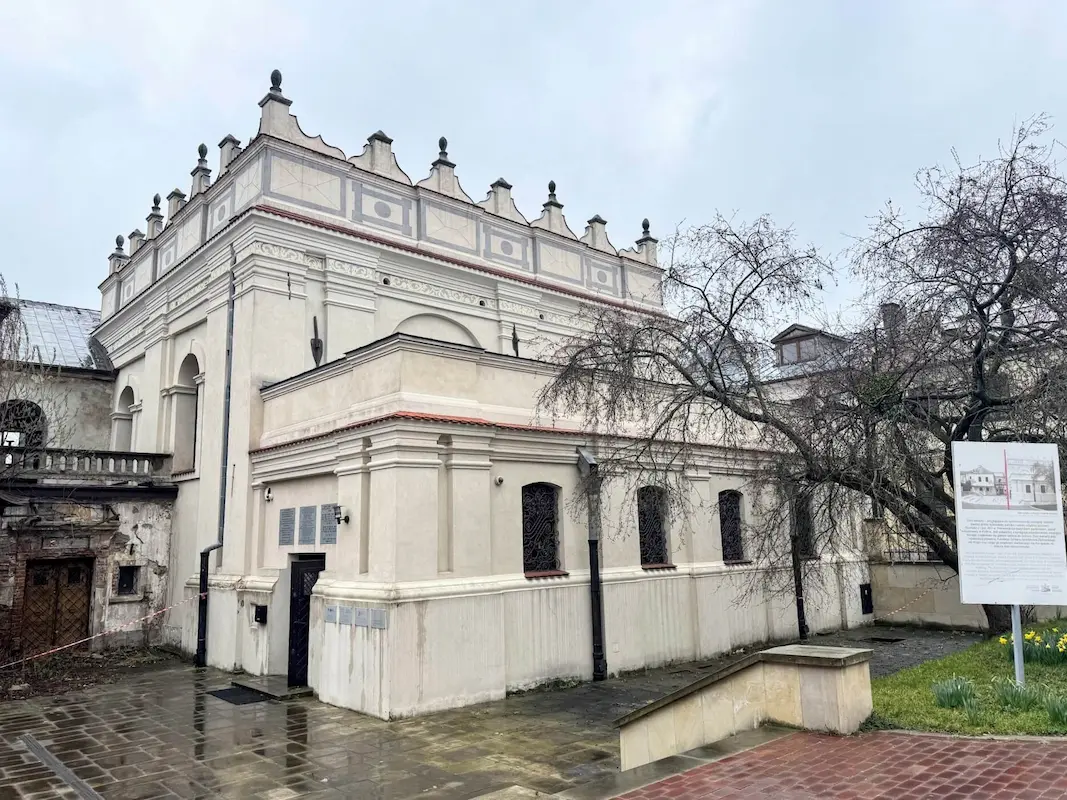
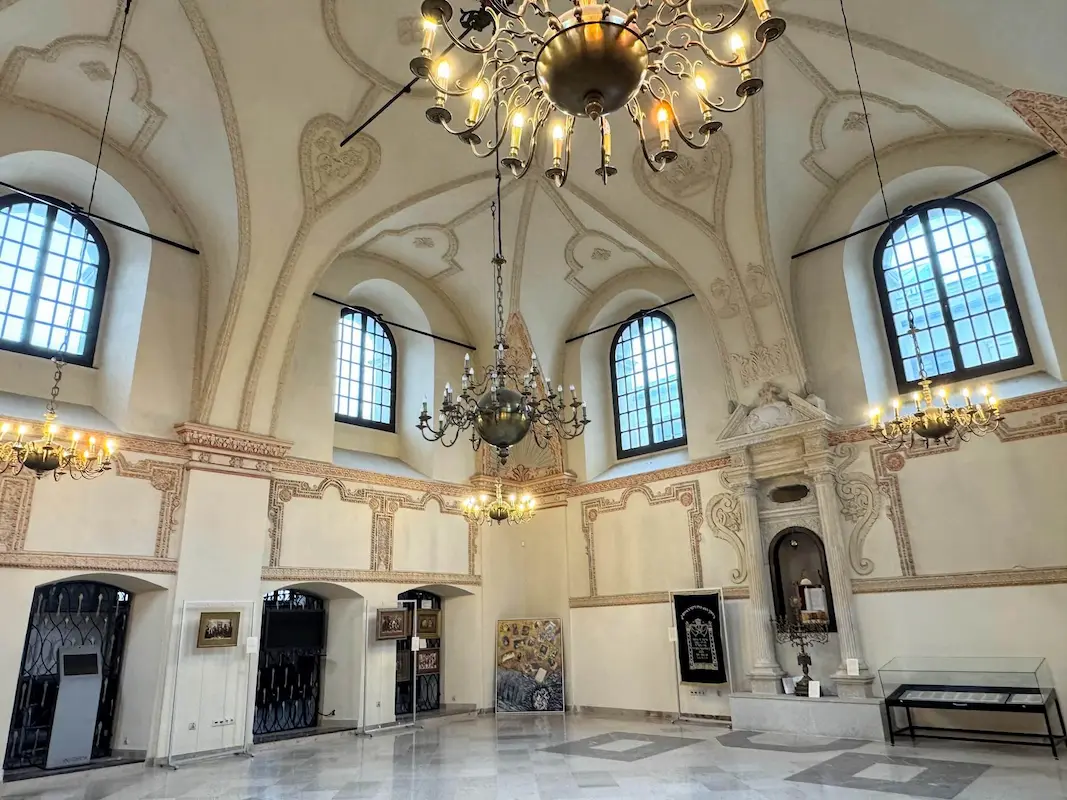
Walking through Zamość is filled with history. The Zamość Synagogue is one of the most spectacular examples of Late Renaissance Jewish architecture in Poland. Entering the prayer hall feels like travelling to the Sephardic communities of 16th-century Spain. The architecture is unique because its incorporates the “attic” style of the surrounding townhouses, blending the Jewish house of worship seamlessly into the Renaissance aesthetic of the “Ideal City.” The interior is filled with delicate floral stucco work and inscriptions.
Its size and monumentality witness about a large Jewish community that used to live in this Polish town. At its peak, the Jewish community made up nearly half of the city’s population, contributing to Zamość becoming a vibrant international hub. However, there are a handful of Jews left today in Zamość and the Synagogue isn’t in use anymore.
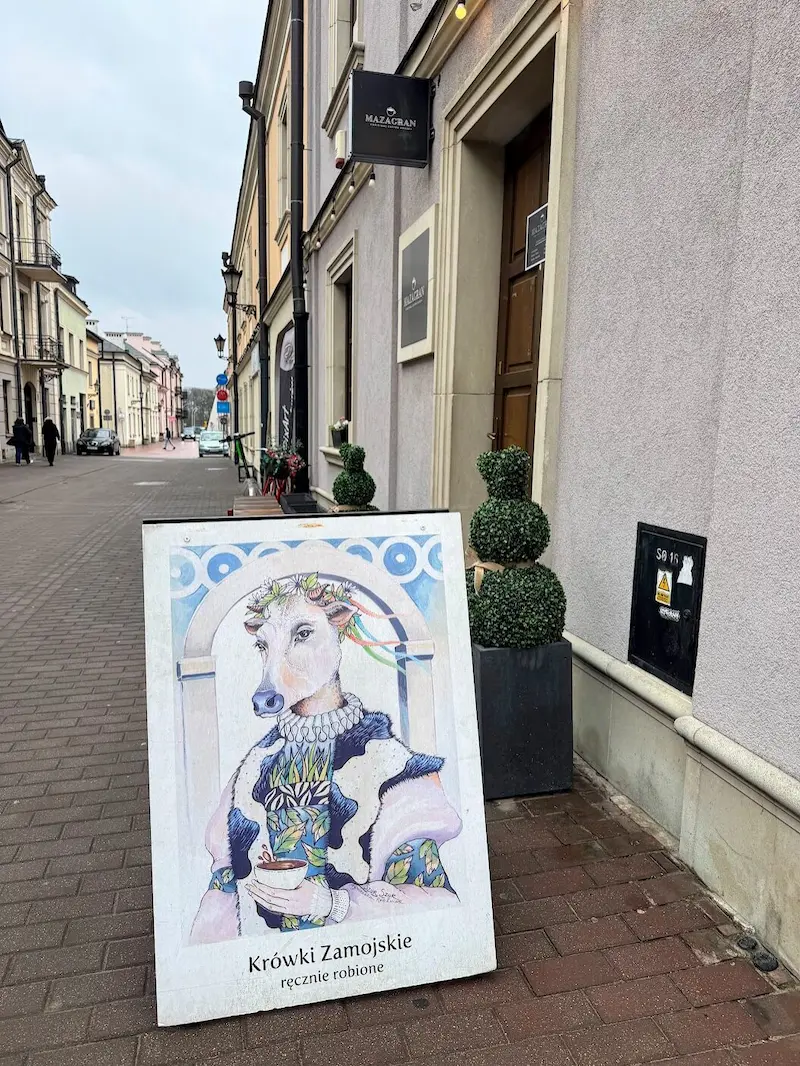
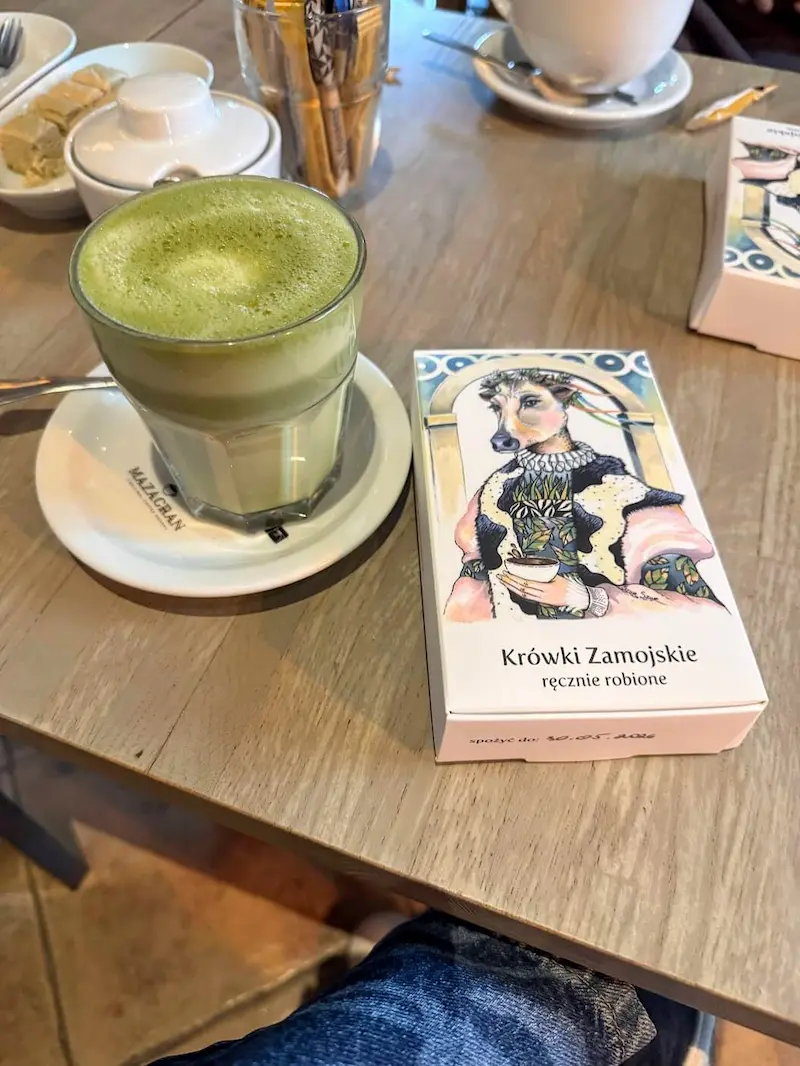
⤷ TIP: After your visit to Synagogue, take a break at the Mazagran Cafe. They sell incredible artisanal fudge (krówka) in multiple flavours. It was genuinely the best I’ve ever had.
Go to Zamość Cathedral
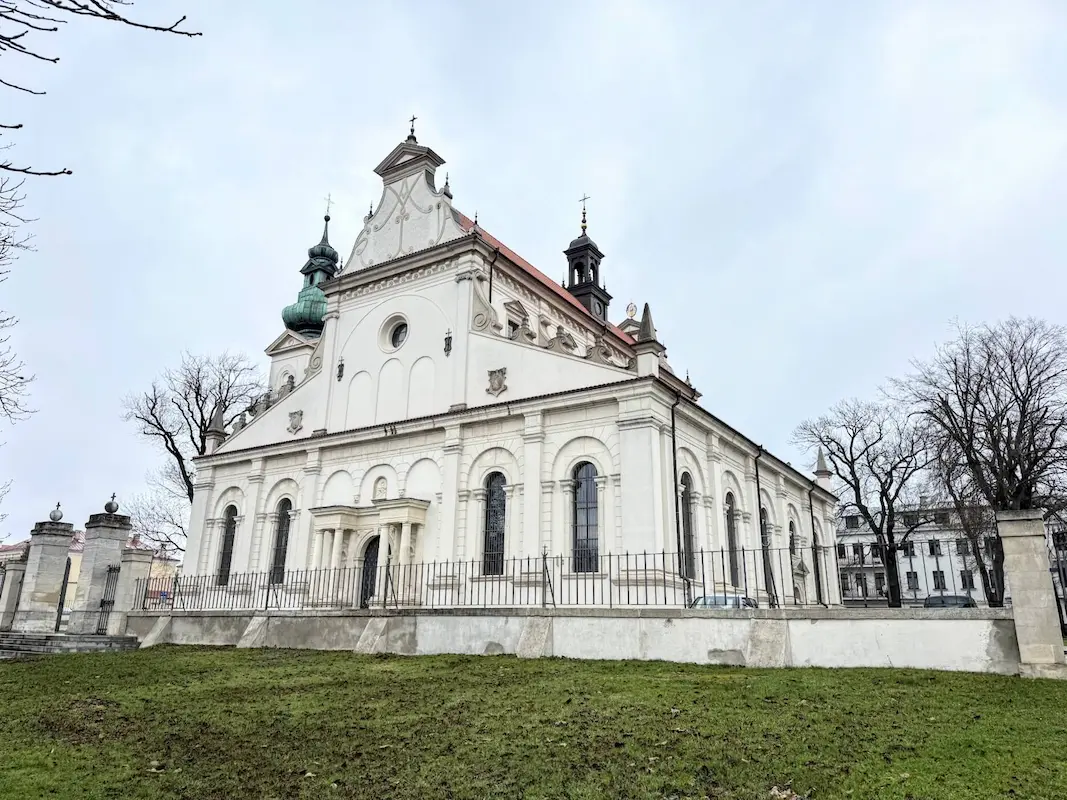
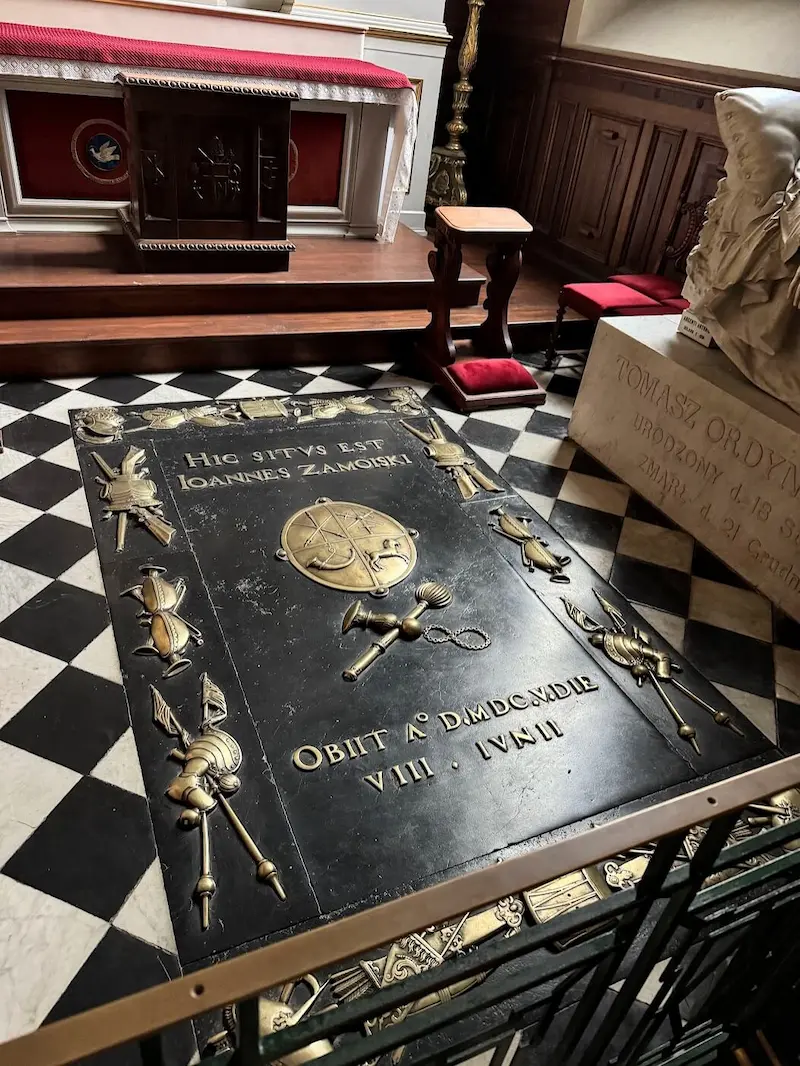
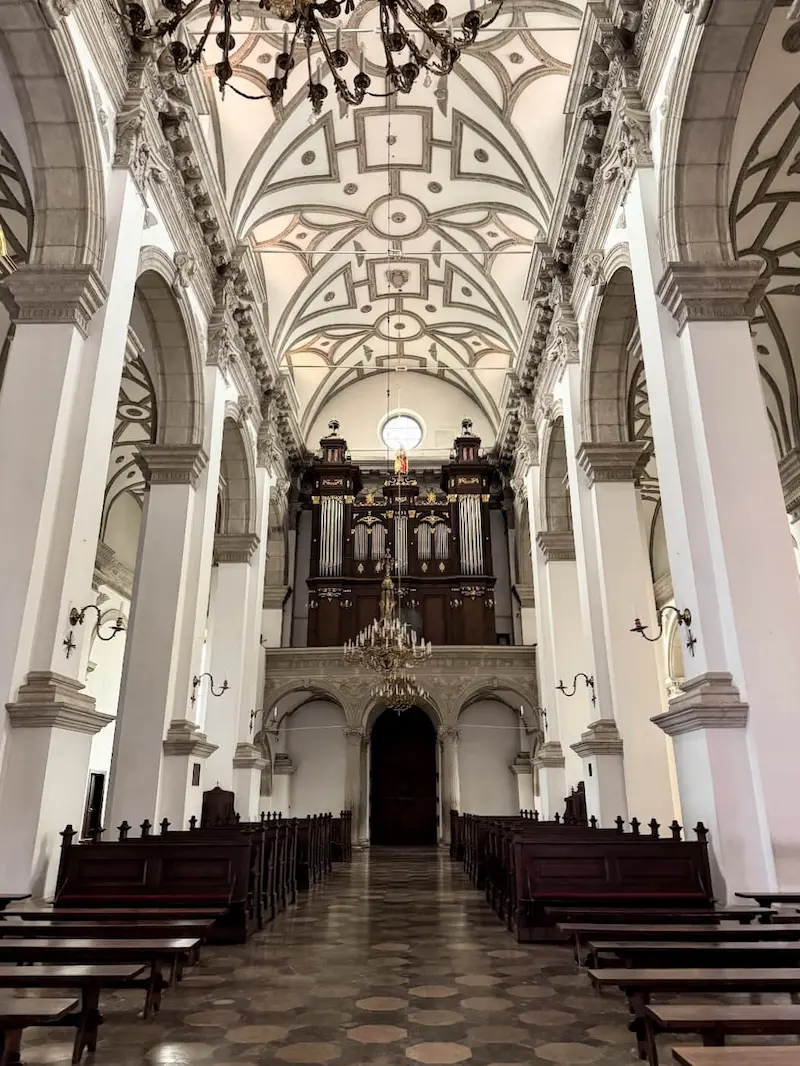
Another place you shouldn’t miss in Zamość is its Cathedral dedicated to the Lord’s Resurrection and St. Thomas the Apostle. Zamość Cathedral was built in 1587-1598 by the city’s architect, Bernardo Morando. Painted entirely white from the outside, I was so fascinated by its interior and the decorated vaulted ceiling. The ceiling features ”Lublin Renaissance” stucco work, a specific regional style of geometric ribbing that looks almost like lace made of plaster.
It’s where the tombs of the Zamoyski family members are, including the city’s founder, Jan Zamoyski. Be sure to look for the black marble tombstone (that you can see on a photo above). It’s a sombre but beautiful piece of funerary art that anchors the city’s history to its patron.
⤷ Read more: The Travelling Artists & Artworks in Renaissance Europe
Explore the Zamość Fortress
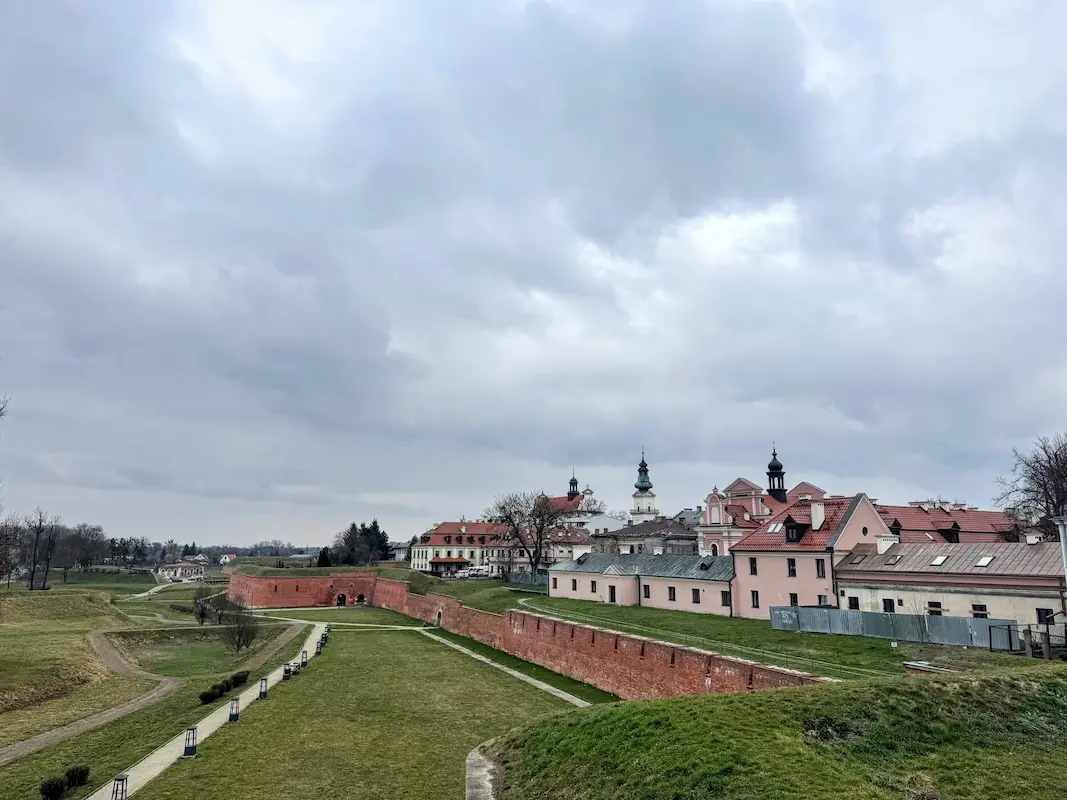
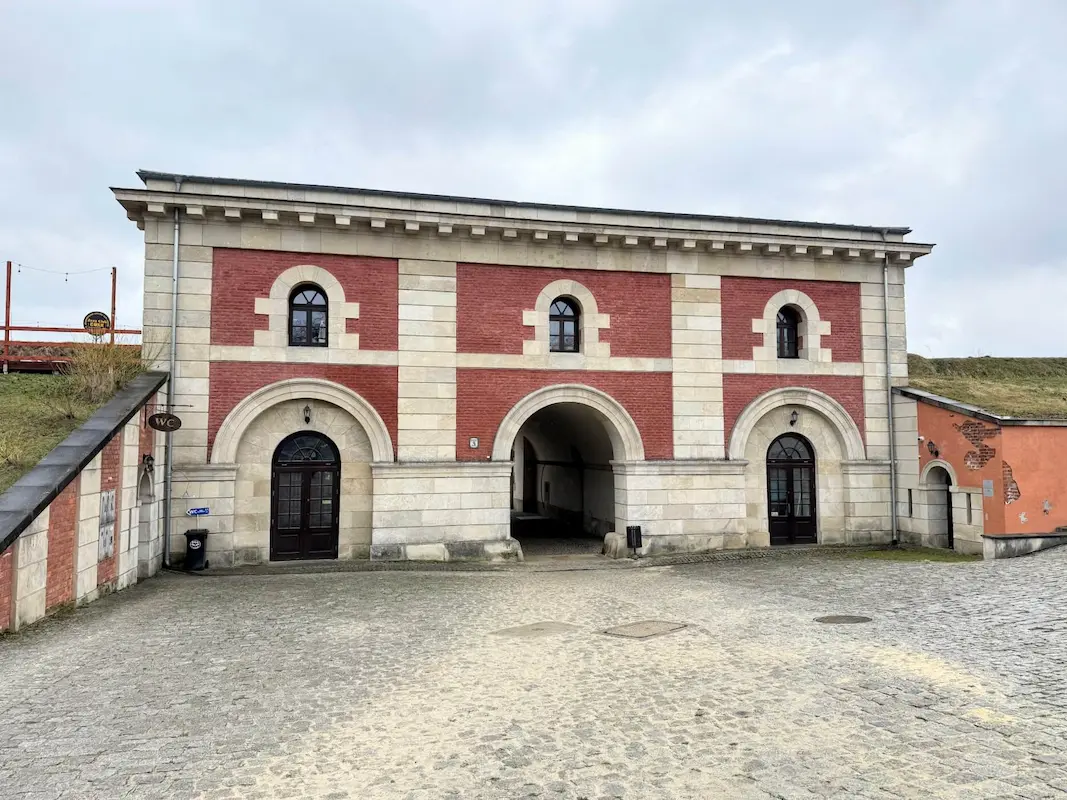
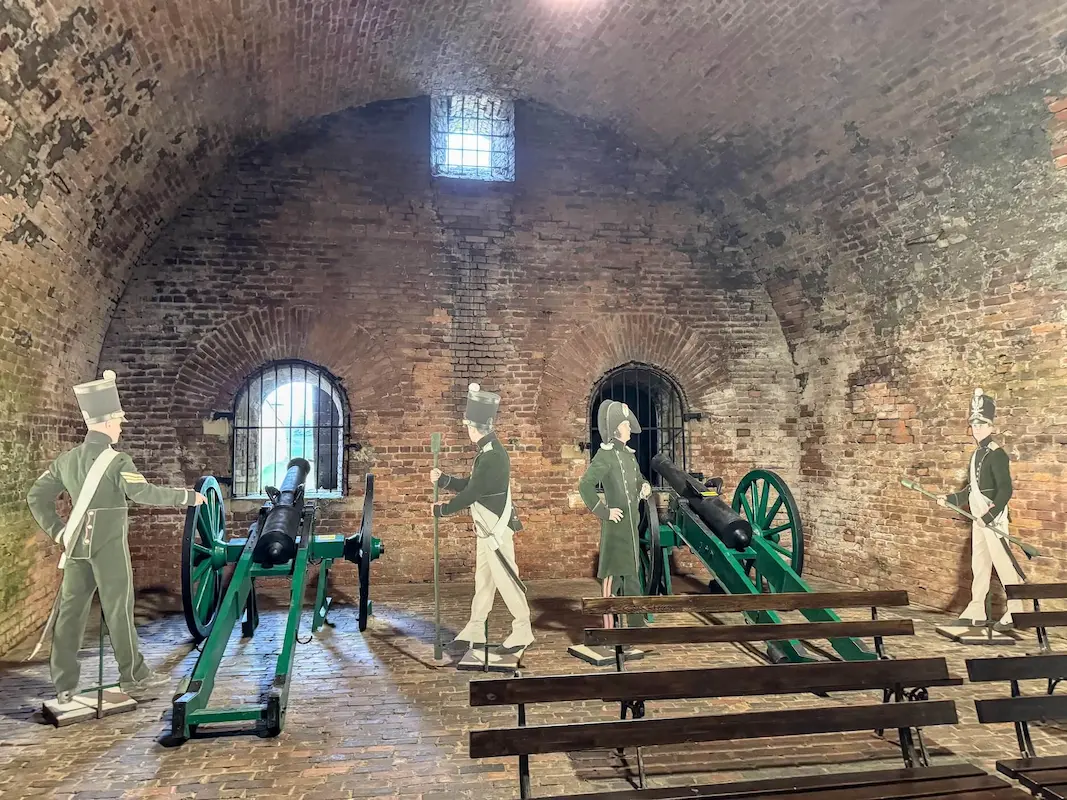
Zamość was designed as a “fortress city.” The city was sieged several times throughout the past and its fortifications are still mainly standing today. In the 17th century, these walls were so formidable that Zamość was one of the only Polish cities to successfully withstand the Swedish “Deluge,” a massive invasion that levelled much of the rest of the country.
You can still walk along the top of the Bastion VII bulwarks and enjoy great views of the “ideal city” layout. Or you can step inside and visit the Arsenal Museum of Fortifications and Weaponry or some of the former passages that were used by the soldiers.
⤷ TIP: Check the Arsenal Museum’s official website at this link for special exhibitions, 2026 events and opening hours.
Which towns to visit around Zamość
Krasnystaw
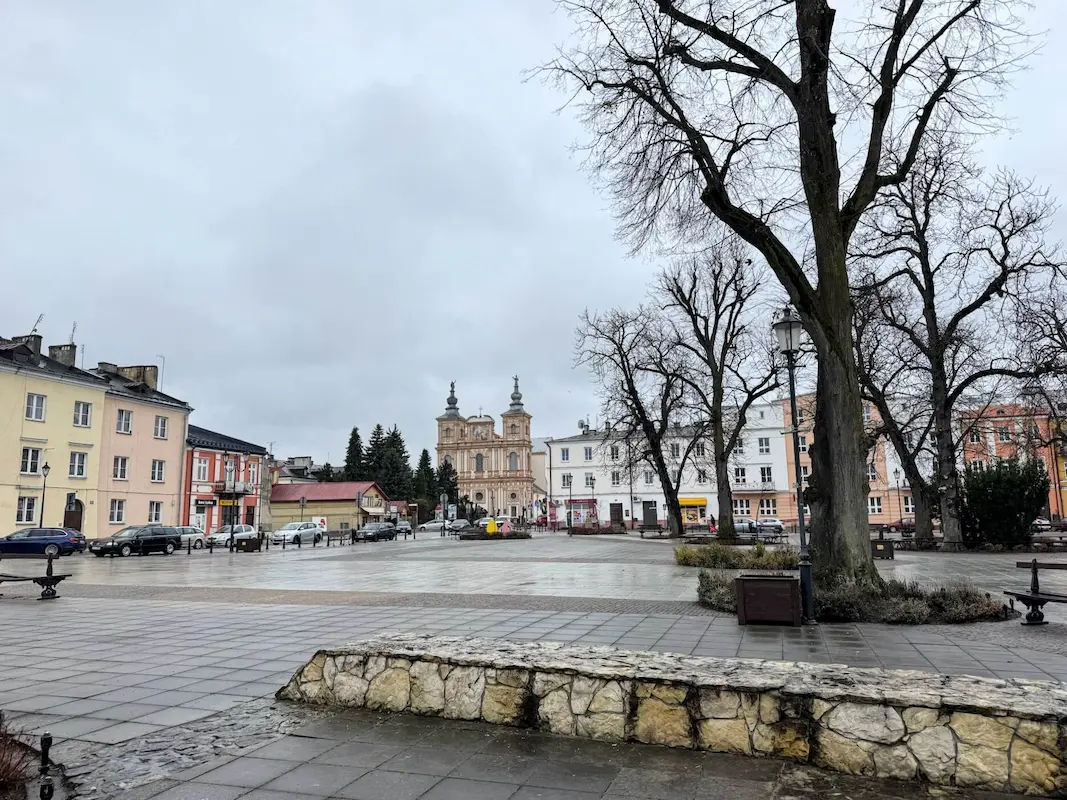
After a couple of days in Zamość, I left it to explore more of interesting historical towns in the region. My first stop was Krasnystaw, which was a perfect spot for a short cultural break.
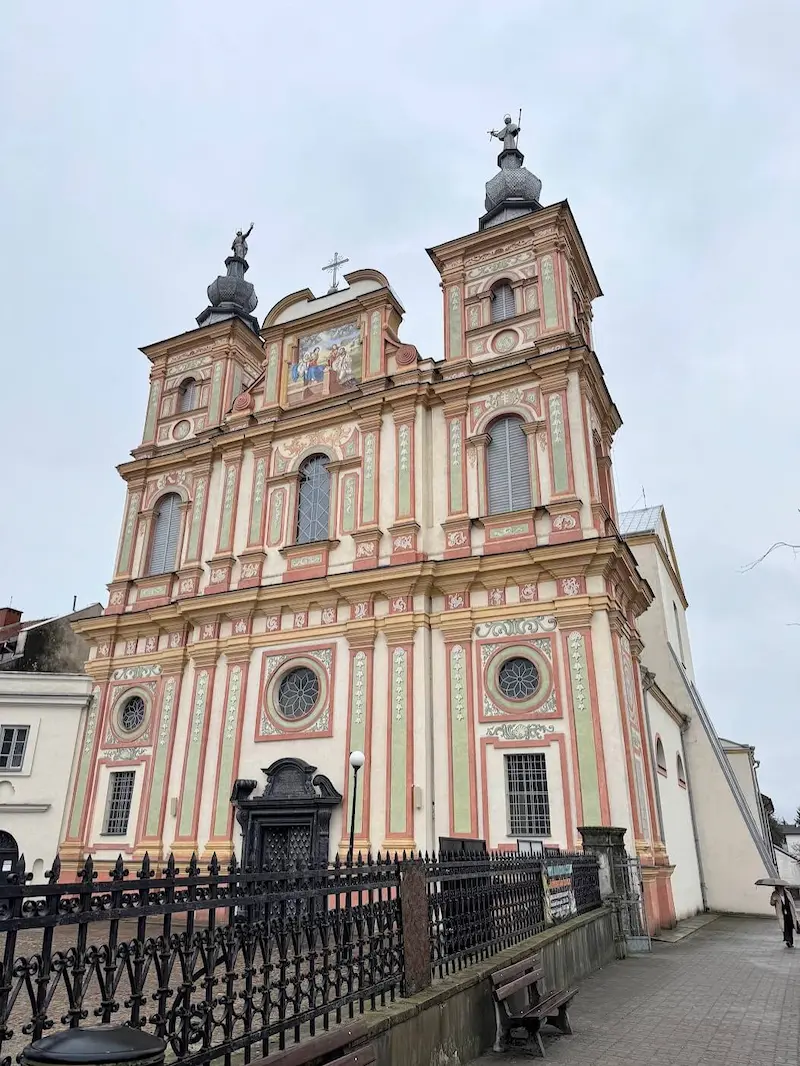
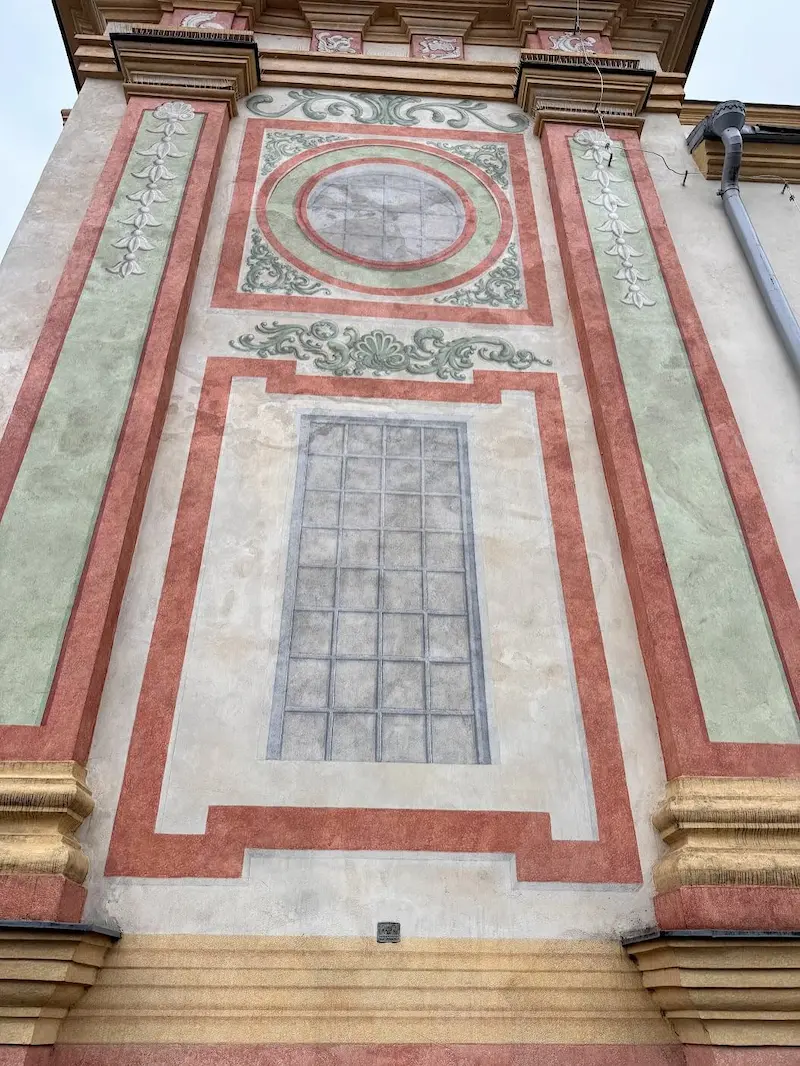
Its town centre is home to many pretty houses. One of the most fascinating is the Church of St. Francis Xavier. It’s a Baroque Church mainly built during the 18th century. This church is a hidden jewel of “Il Gesù” style architecture, modelled after the famous Jesuit mother church in Rome. The church used to be white from the outside. But after a recent discovery of the frescos’ remains on its facade, it was brought back to its vibrant historical appearance. The restoration revealed an incredible trompe l’oeil effect, where painted architectural elements trick the eye into seeing more depth than there actually is.
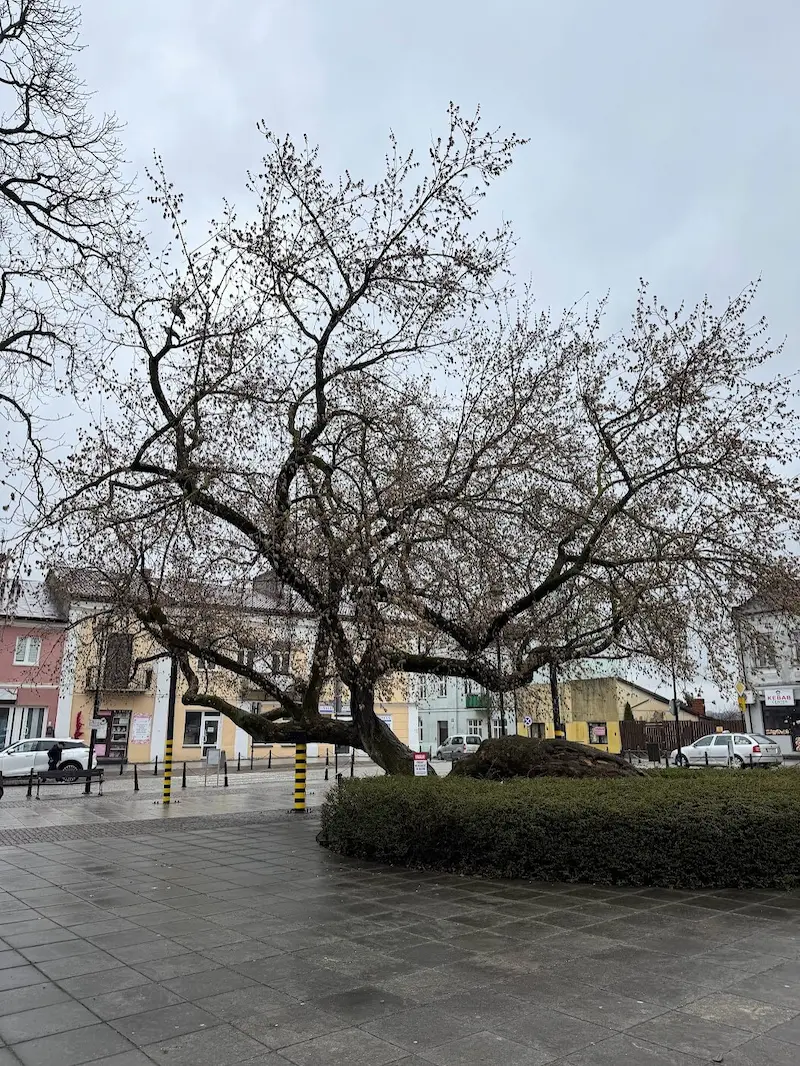
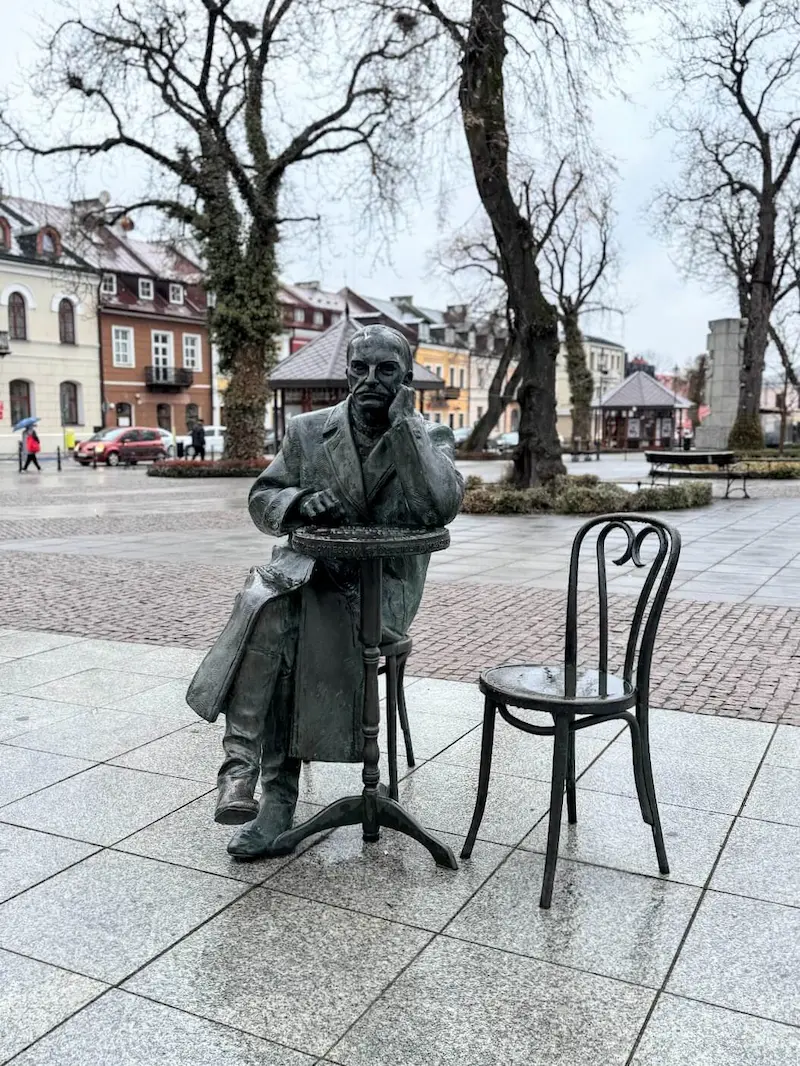
Krasnystaw is also home to a very special tree, known as the Kneeling Tree. It’s a strangely shaped maple that won the “Tree of The Year 2018” in Poland, and represented the country in the same kind of a competition in Europe the next year.
⤷ TIP: Krasnystaw and Lublin served as filming locations for the 2024 movie “A Real Pain,” directed by and starring Jesse Eisenberg along with Kieran Culkin.
Lublin
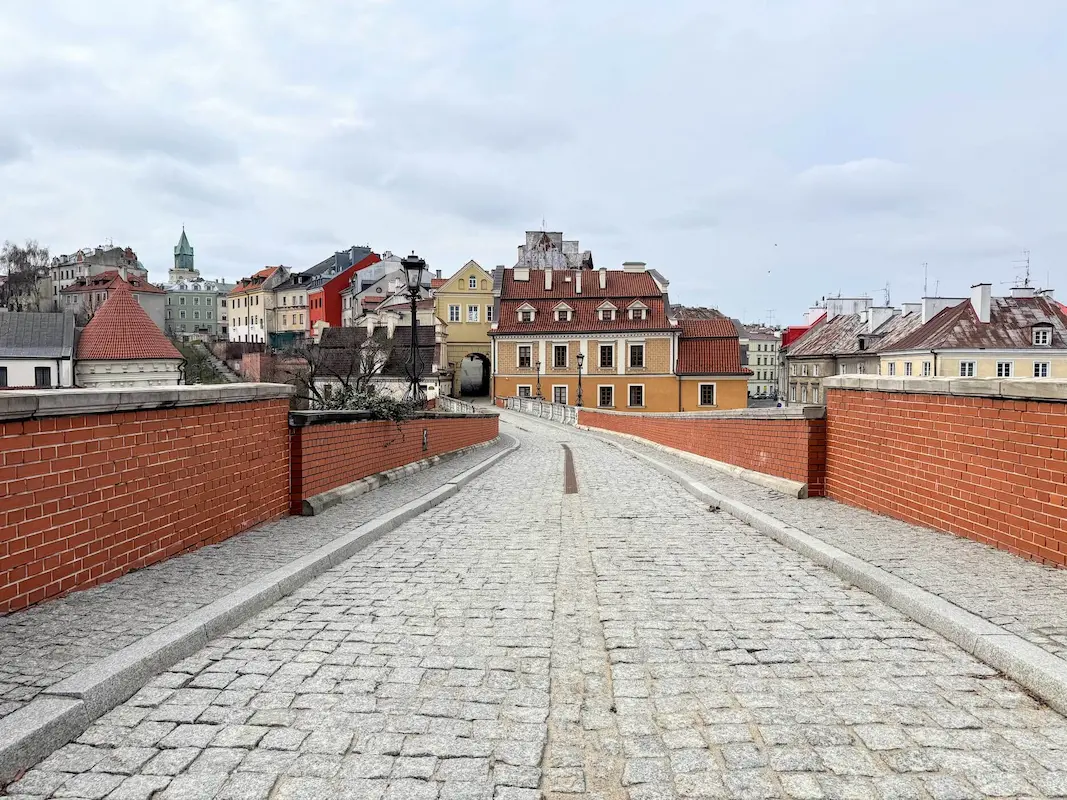
I spent the second half of my trip to Poland by exploring Lublin, a beautiful town where history meets modernity. Its cobbled streets are filled with fascinating legends, colourful historic houses, and a profound Second World War history. Located on the ancient road between Kraków and Vilnius, it comes as no surprise that Lublin was the site where the Polish-Lithuanian Union was signed in 1569.
Today, it’s a bustling university town preparing to be the European Capital of Culture in 2029. Between the medieval Old Town gate, the Neo-Gothic Castle, and the artisanal bakeries selling cebularz (a local onion-covered bread), it’s a city worth exploring, too.
⤷ Read more: What To See in Lublin
Tips for Visiting Zamość
How to get to Zamość
I flew to Lublin Airport from Maastricht Aachen Airport with Wizz Air. It was a pleasant and short (less than 2 hour) flight.
⤷ TIP: If you don’t have a direct flight to the Lublin Airport, consider flying to Warsaw. You’ll need around 2.5 hours to get from there to Lublin with a public transport.
Where to stay in Zamość
I stayed in Hotel Renesans which is located in the Old Town making it a perfect place to explore Zamość.
Walk around it in the evening
Zamość is exceptionally beautiful at night when the Town Hall and the arcade arches are illuminated. Plan a dinner or a drink at one of the restaurant terraces on the Great Market Square and enjoy the view.
What to get as a souvenir from Zamość
If you want a souvenir that isn’t a magnet, look for local hand-painted ceramics or traditional Armenian-inspired spices, which pay homage to the city’s merchant roots. And be sure to get a box of delicious fudge at the Mazagran Cafe.
How many days to spend in Zamość
Spending a weekend in Zamość will give you plenty of time to explore all the best things to do in Zamość. You can extend your stay even more and make a few trips to the surrounding towns and nature parks.
Zamość is more than just a stop on a map. It’s a testament to the ambitious dreams of the Renaissance. It’s a place where the symmetry of Italian architecture meets the warmth of Polish hospitality, creating a pocket of Europe that feels untouched by the frantic pace of over-tourism.
Whether you are a history buff, an architecture lover, or simply a traveller looking for a quiet corner of the world to enjoy a coffee and a view, Zamość will stay with you long after you’ve left its stone walls.
I visited Zamość on a press trip organised by the Polish Tourism Board in March 2026. Many thanks to them and their local partners in Zamość for organising a wonderful visit to me. However, as always all opinions are my own.