

London is a place to go for art and museum lovers. It’s home to some of the best art collections and some of the most famous museums in the world. And a great thing about them is that many of those wonderful museums are free of charge. Well, it definitely comes in handy with everything else being quite expensive in the UK’s capital.
I’m in London each year and have visited many of those places several times, so here is my guide to the best free museums in London.
Best Free Museums in London
Wait a second, are museums in London free?
I hear you asking… And the answer is, yes! Many of the most famous museums in London are free of charge. In this article, I listed some of the best free museums in London that are definitely worth visiting (even several times, as I often do).
⤷ Read more: How to Visit a Museum – A Guide for the Perfect Museum Visit
British Museum
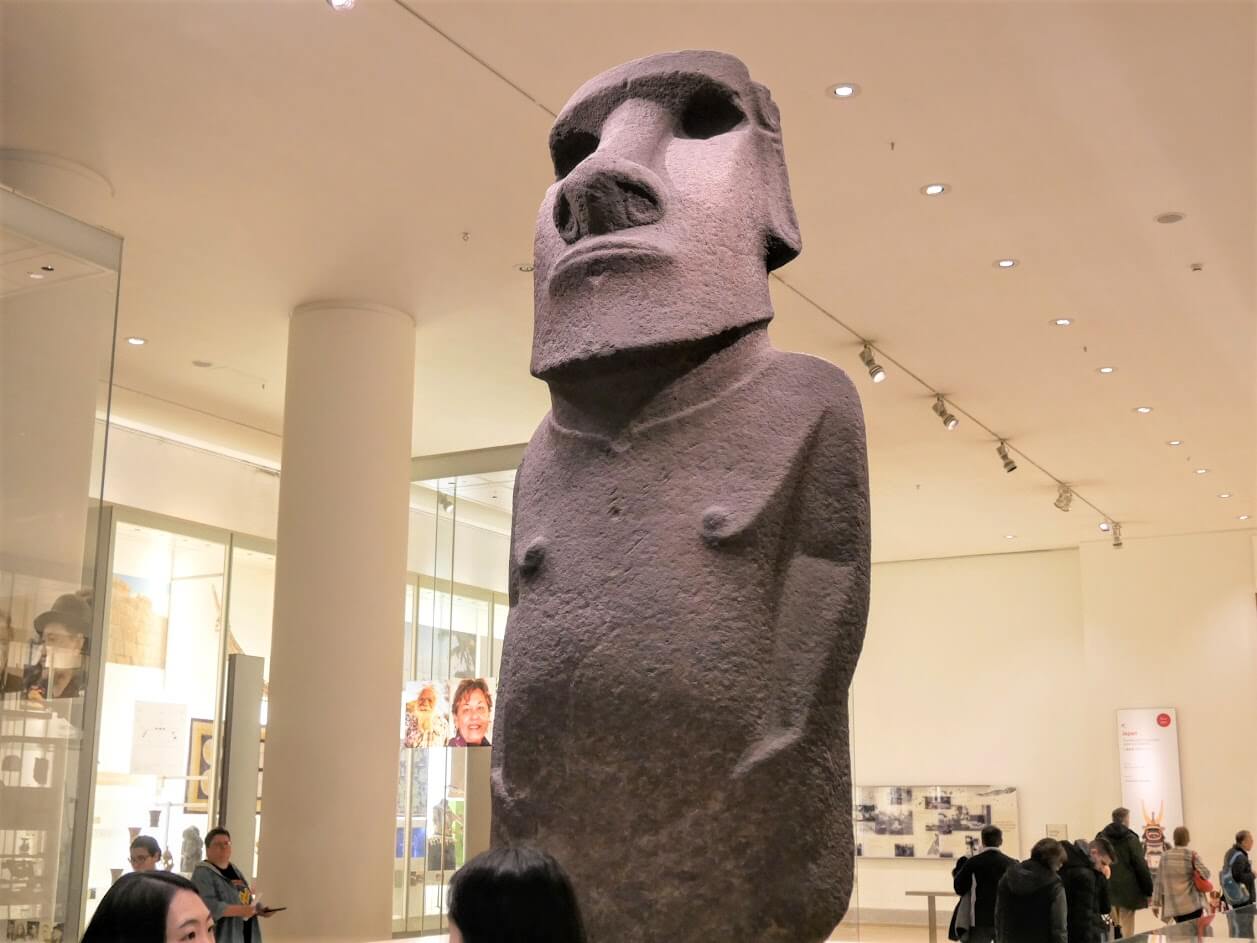

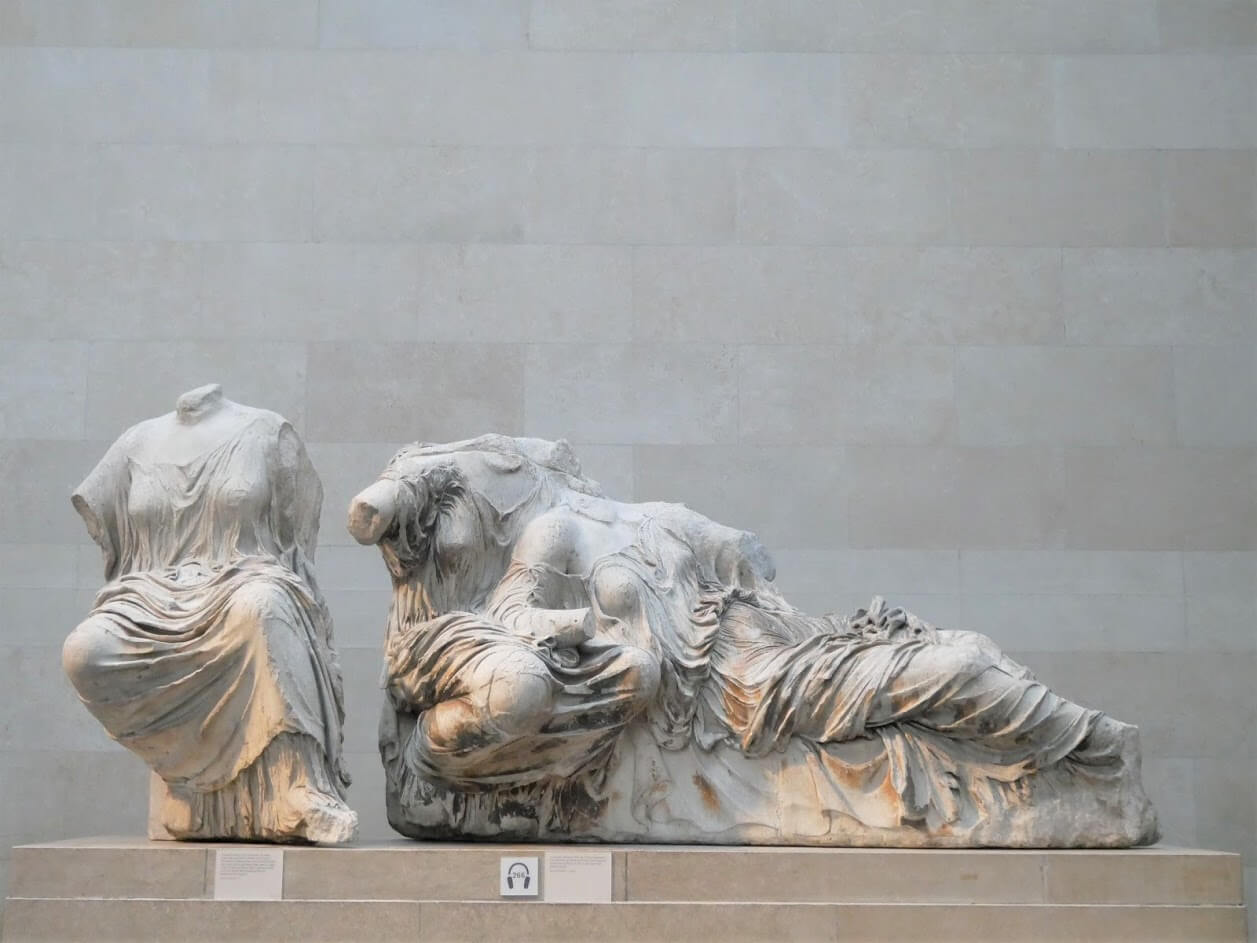
The British Museum is a London classic and home to some ancient artefacts telling more about the old civilisations from the Middle East, Egypt or Ancient Greece. The museum has more than 8 million objects in its permanent collection, which makes it the largest in the world.
The museum was established in 1753, and it displays objects exploring cultural history from the beginnings of civilisation to the present day.
The British Museum highlights include the Rosetta Stone, the Parthenon Sculptures, a fantastic Egyptian collection, the Sutton Hoo Helmet (if you haven’t yet, watch the movie Dig to learn how they’ve discovered it), Easter Island monolith (Haaknaia), some beautiful Assyrian reliefs, and many more.
⤷ Read more: Afternoon Tea Tradition & Everything You Should Know About It
The National Gallery
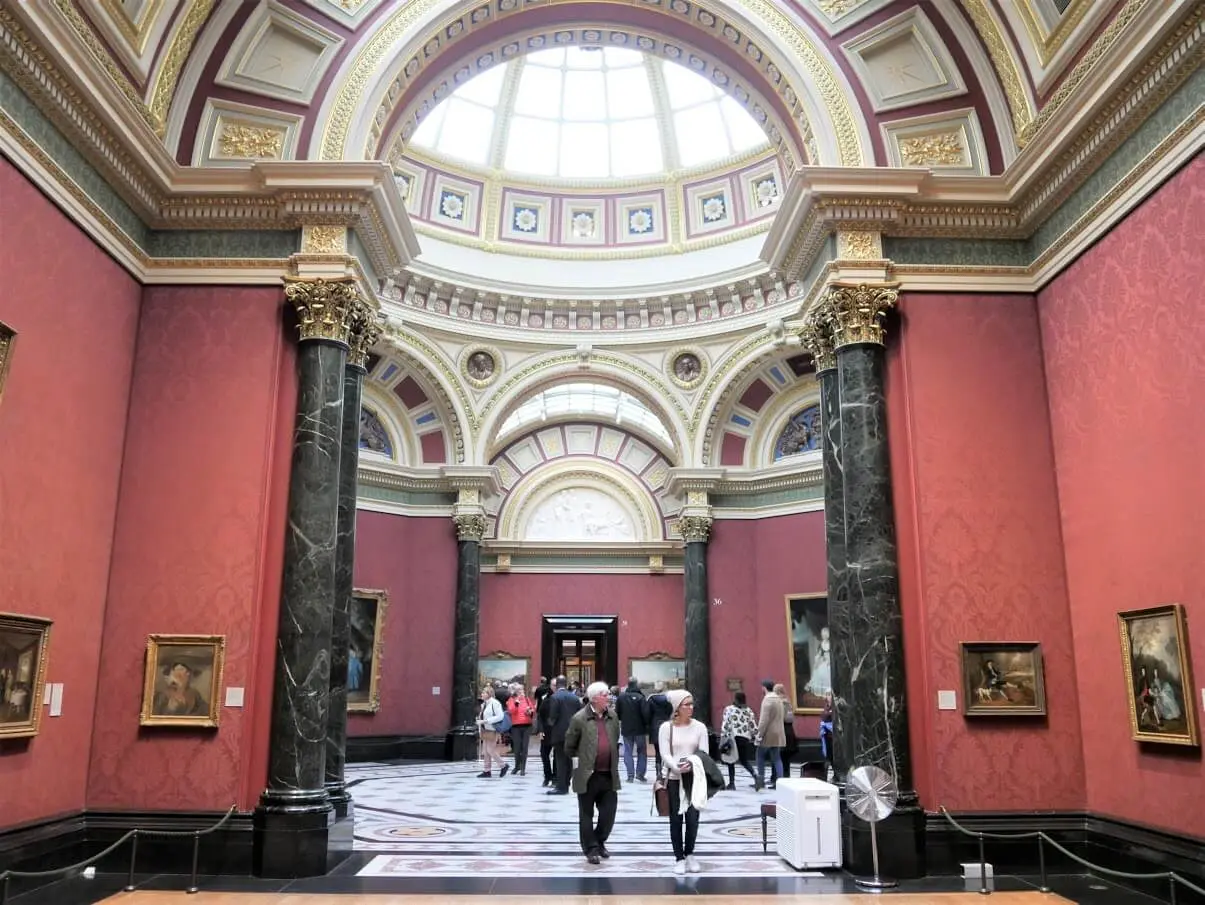
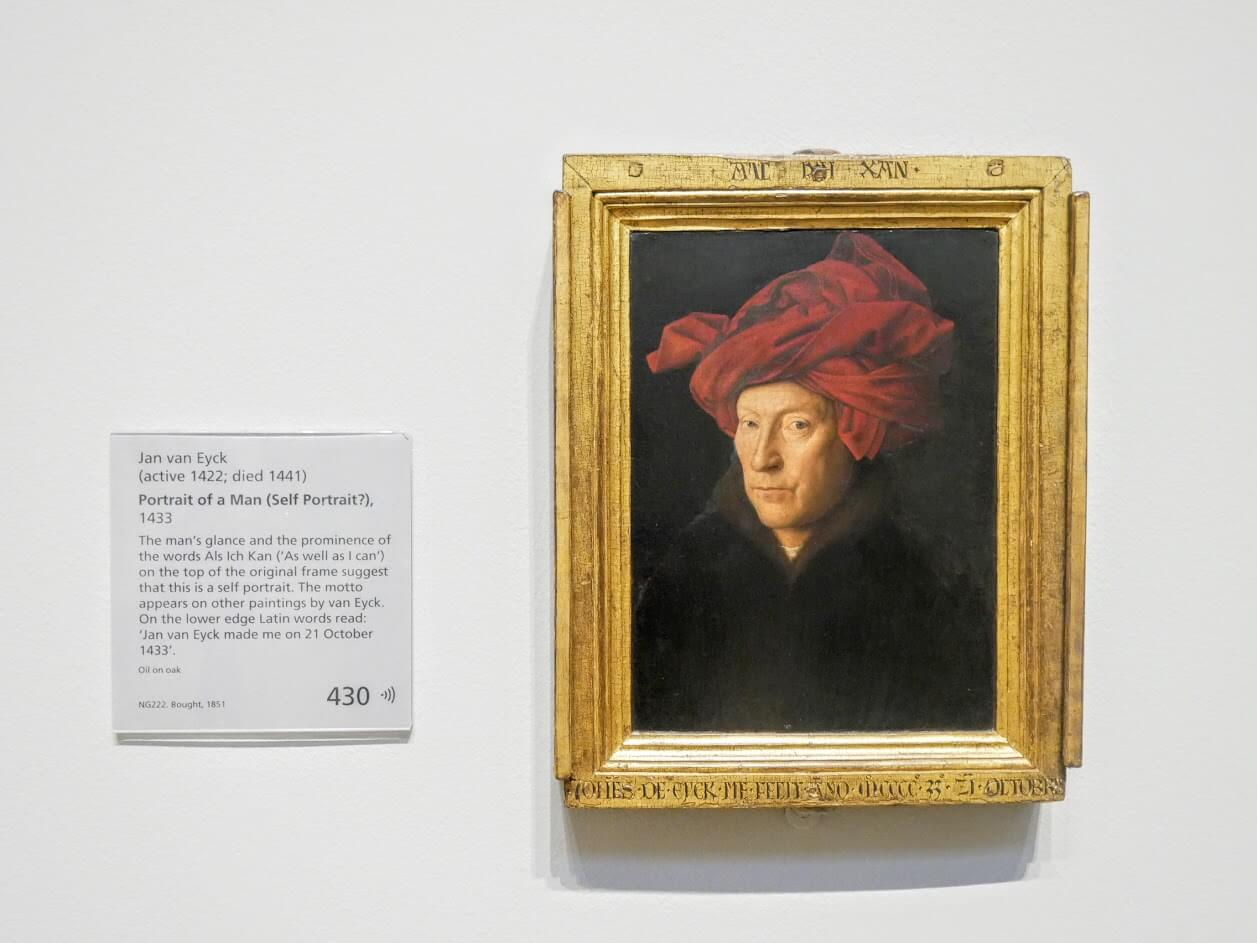
The National Gallery is one of my favourite museums in London, and I stop by it each time I’m in London. It’s a beautiful space with a classical museum charm. Its collection spans from medieval art with especially beautiful Italian altar paintings, which sparkle with their golden backgrounds. Some of the highlights of the medieval collection are two paintings made by Jan van Eyck: The Arnolfini Portrait and A Portrait of A Man (which might be a painter’s self-portrait).
You’ll also find the Italian Renaissance masterpieces like Leonardo da Vinci’s The Virgin of the Rocks or Raphael’s Pope Julius II.
The museum also has a great collection of the Old Dutch Masters, like Rembrandt or Vermeer. During my last visit, I especially enjoyed exploring some of Rachel Ruysch’s flower paintings that I hadn’t seen before.
Some of the National Gallery’s highlights include modern paintings made by J.M.W.Turner, Impressionist painters like Claude Monet, and a version of Van Gogh’s Sunflowers and his cypress trees.
⤷ TIP: The National Gallery has a great newsletter filled with a selection of their artwork and special (online and in-person) events they are organising. I enjoy every one I receive, so if you love art, I encourage you to subscribe to it, as well. You can do that through this link.
National Portrait Gallery
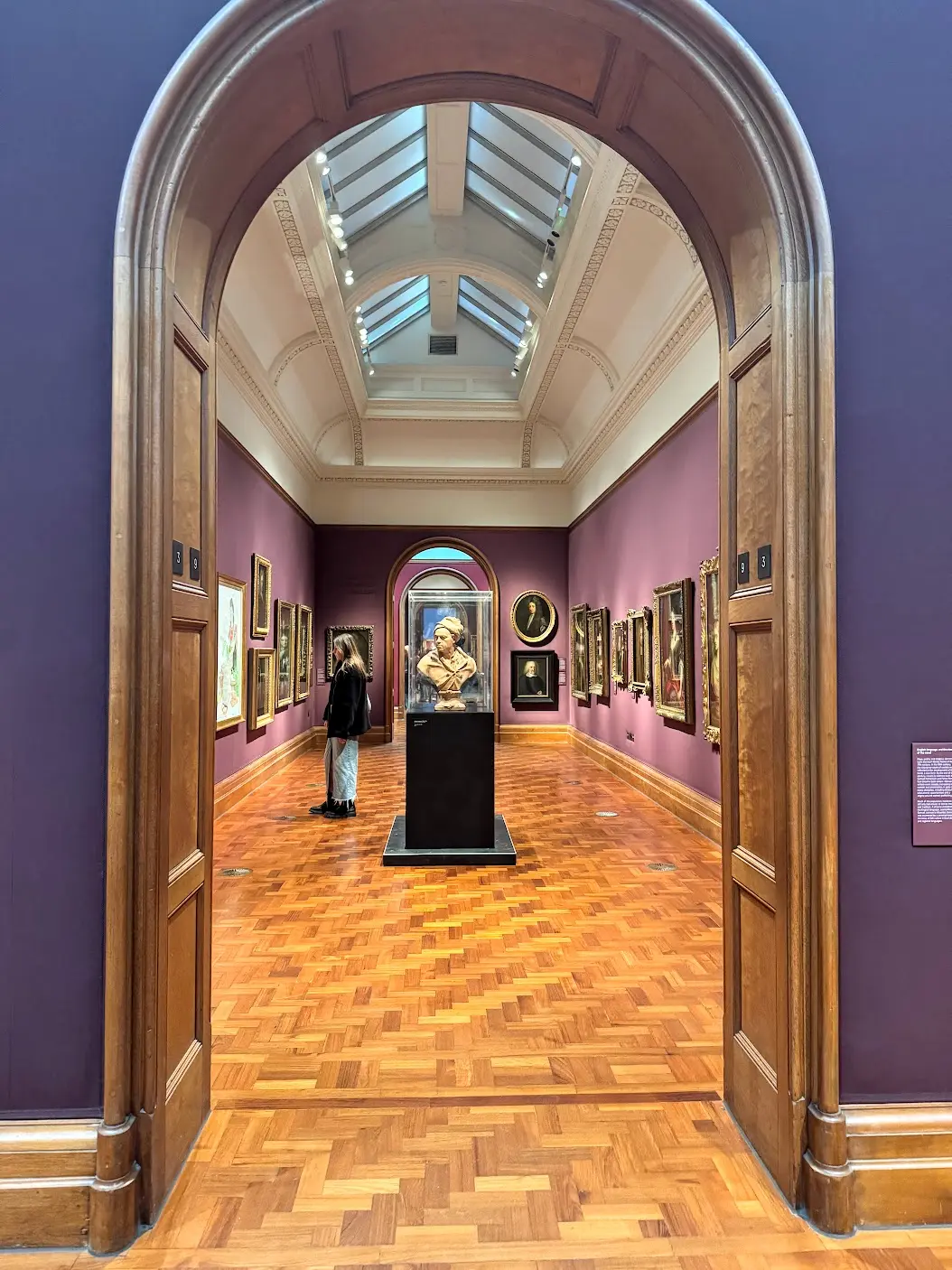
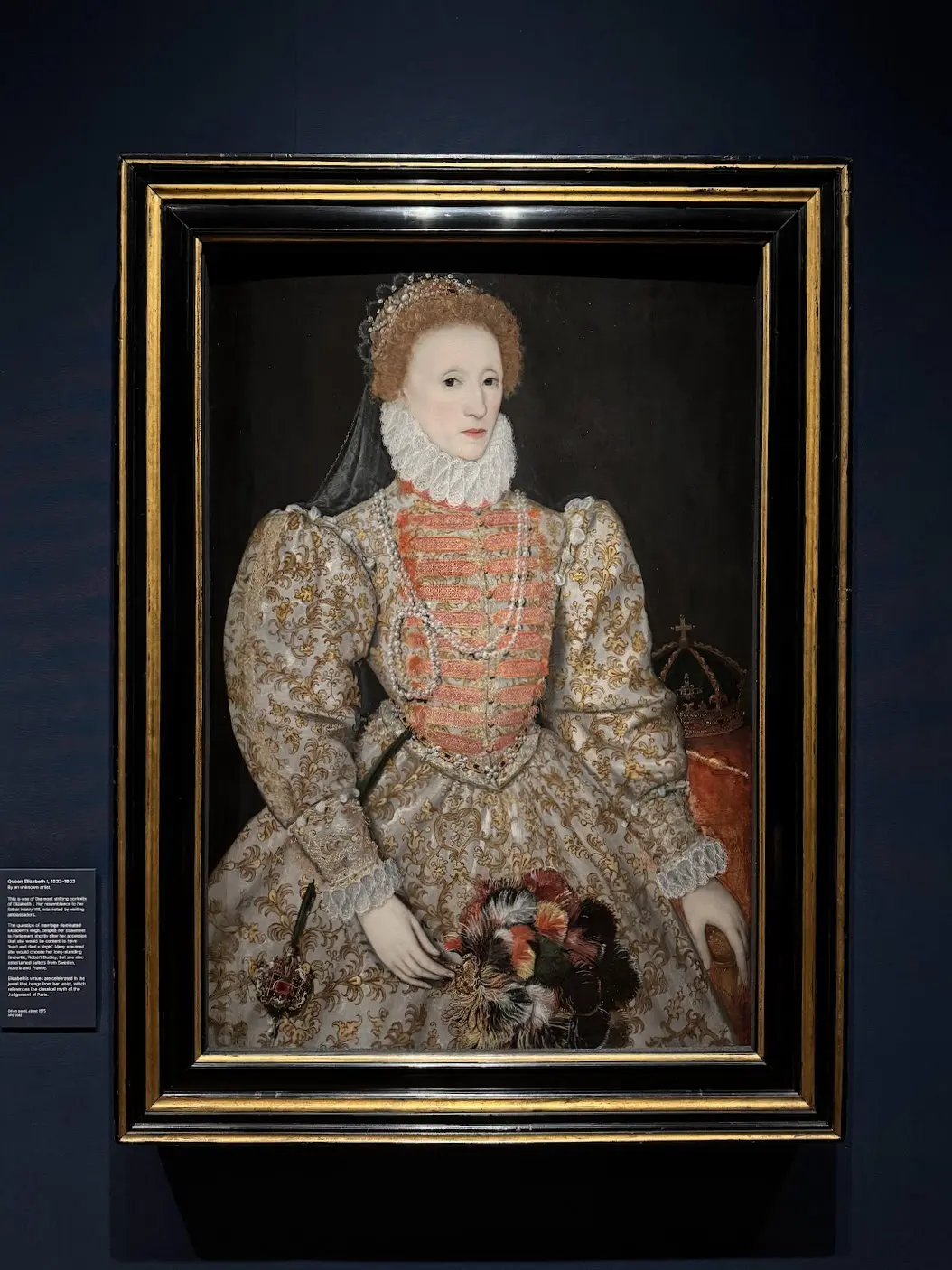
The National Portrait Gallery is one of my recent discoveries, and since I visited it for the first time, I have become quite a regular there. Their collection of portraits chronologically starts with some of the medieval Royal portraits. Those of Henry VIII and a few portraits of his daughter, Queen Elizabeth I, are especially interesting.
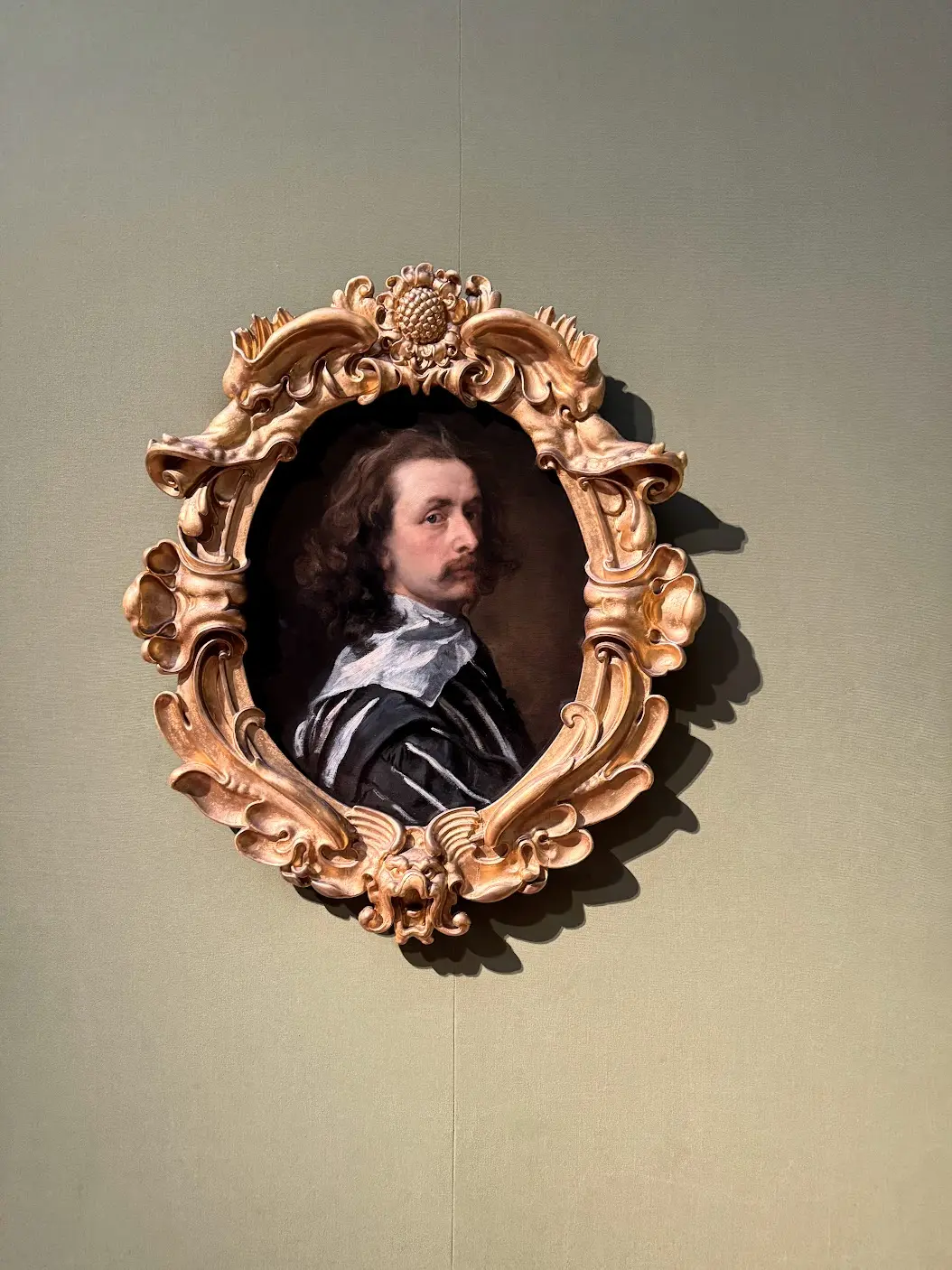
My favourite and the one which is definitely among the museum’s highlights, is Anthony van Dyck’s self-portrait. The oval portrait shows a revolution in the way this genre has changed in his time. And how the movement and flow became an important part of his art.
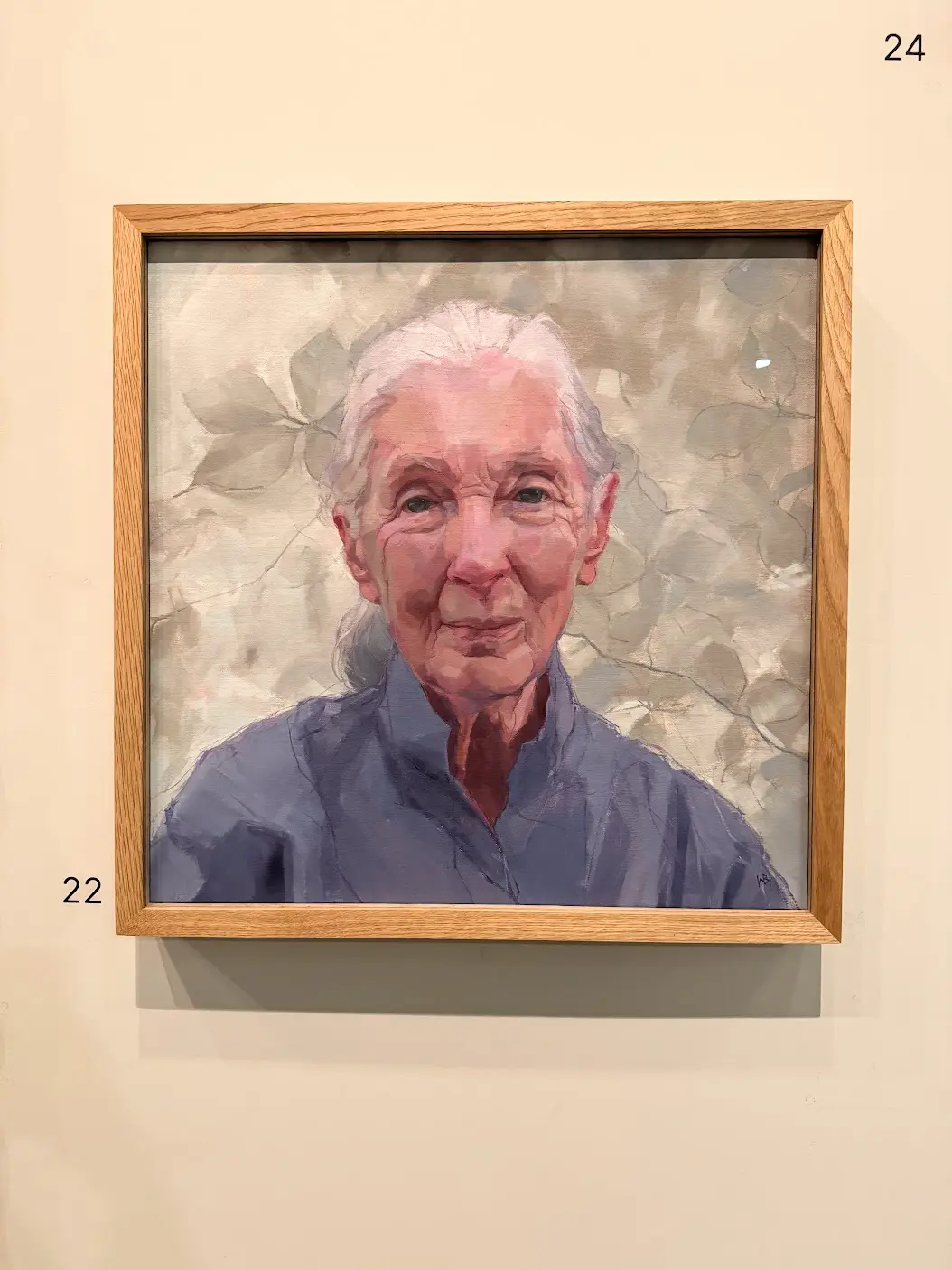
The museum is still commissioning and purchasing contemporary portraits for its collection. So, be ready to recognise some of the leading minds of our time on its walls (like Jane Goodall, for example).
⤷ TIP: The museum organises special tours and talks during the day, which are also, in the majority of cases, free of charge. Check out their website for more info. During my last visit, I joined a 45-minute guided tour and appreciated these artworks in a completely new way.
Natural History Museum

The Natural History Museum isn’t only one of the most famous museums in London, but it’s also one of the best museums in the world. A word of advice here is to plan your visit in advance. The museum is massive, so pick up a few collections you’d like to see and stick to them. You can do that once you’re at the museum. Check out the floor plan, and head to the galleries which are interesting to you.
The museum’s highlight is its dinosaur collection in which you can spend hours. Its highlights also include the massive blue whale skeleton named Hope, the Spirit Collection, which includes the specimens collected by Charles Darwin, and a vast collection of rocks, minerals and gemstones. I also especially like the area dedicated to earthquakes (where you can also experience the sensation of one).
The museum architecture is as beautiful as its collection, so my tip here is to find a nice place at some of the galleries on the top floor and enjoy the view of the thousands of red bricks the museum is made of.
⤷ Read more: Best Museum Instagram Accounts You Should Follow
The Victoria and Albert Museum
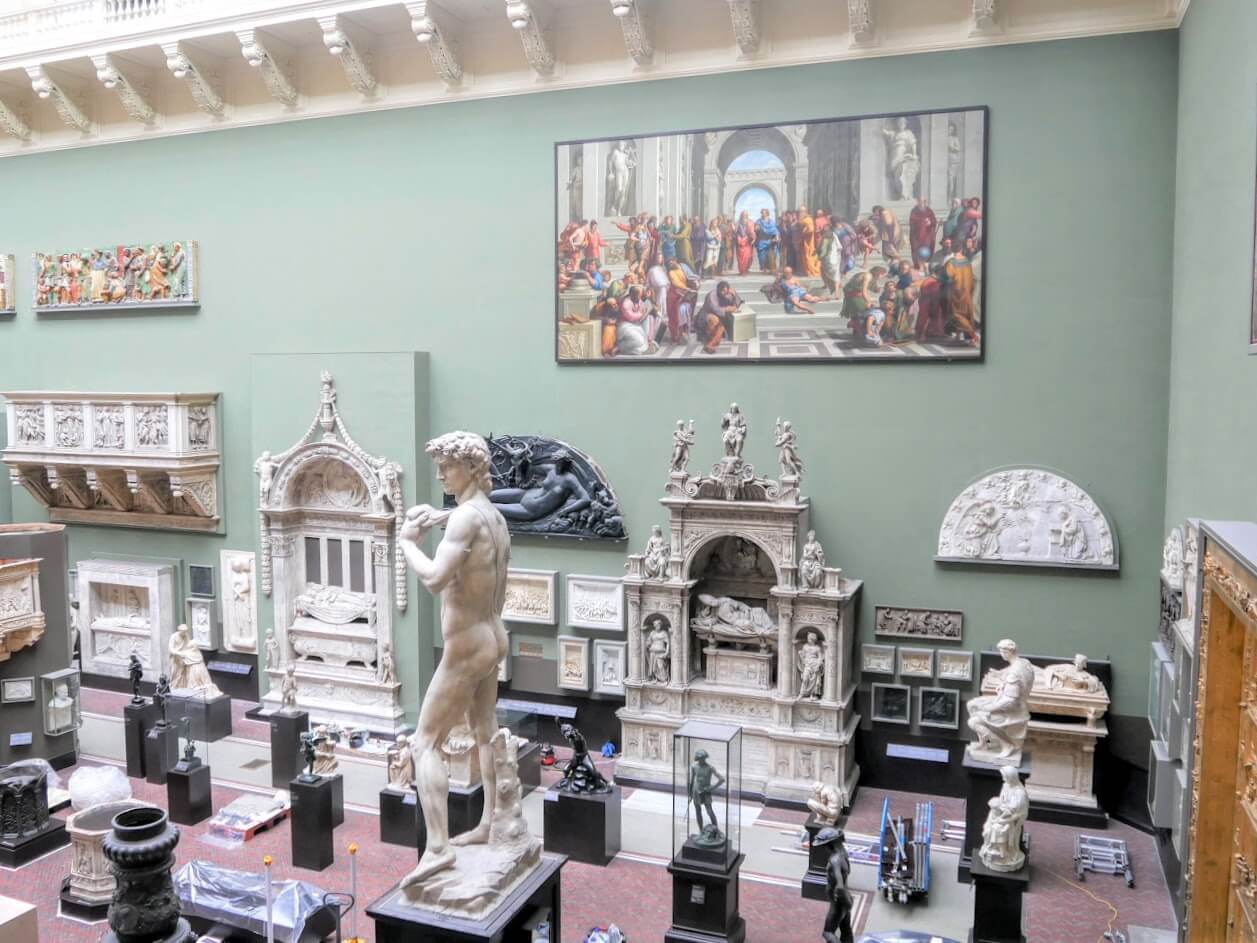
The Victoria and Albert Museum (also known as the V&A) is the largest museum in the world dedicated to applied and decorative art, craft and design. The works of art in its collection were made of glass, ceramics, metal, textiles, etc.
The museum is home to the largest collection of Italian Renaissance sculpture outside of Italy. The Asian collection, especially the one with artefacts from Japan, is especially fascinating. And one of my favourites is the collection of Middle Eastern art.
The V&A organises some fantastic temporary exhibitions which usually sell out quickly, so check out their website to see what’s on before your visit.
⤷ Read more: Most Beautiful Museum Cafes in Europe
Wallace Collection
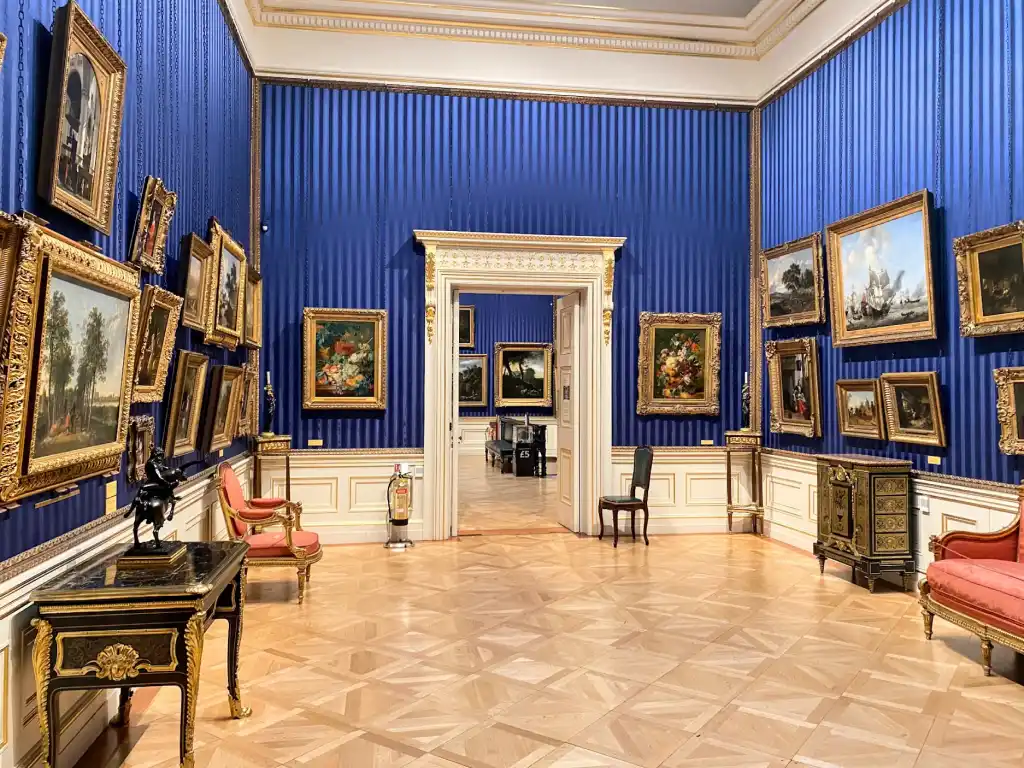
Located in the Hertford House in London, The Wallace Collection is one of the art gems in the UK’s capital. The Wallace Collection highlights are displayed on the museum’s two floors. While visiting it, you can enjoy its carefully curated artworks in the setting of a luxurious historical London townhouse.
The museum is a perfect size, and you can see the complete Wallace Collection within a couple of hours.
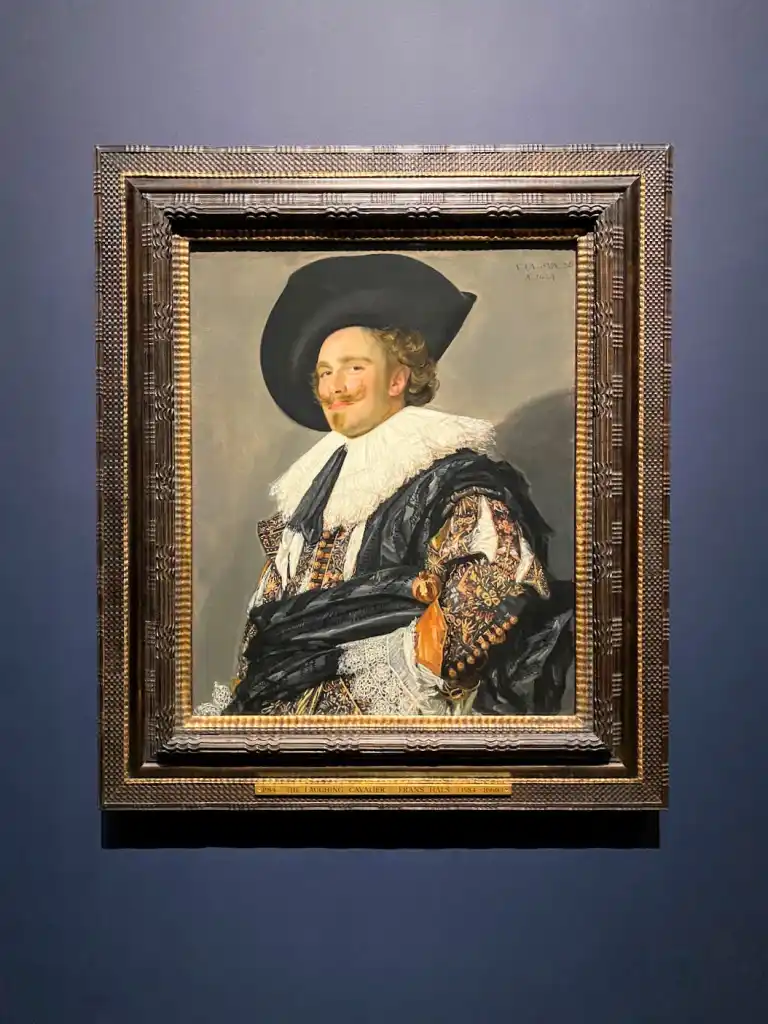
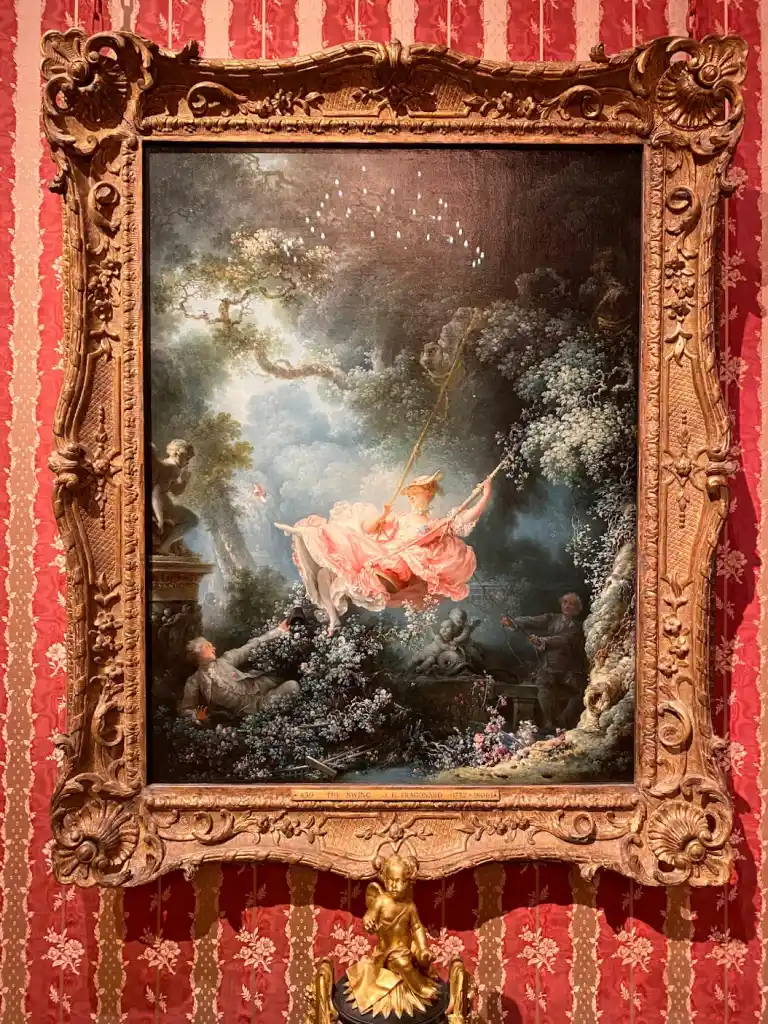
Among the Wallace Collection highlights is one of my favourite paintings made by Frans Hals, The Laughing Cavalier. Some other artworks you shouldn’t miss there are Rembrandt’s Titus, the Artist’s Son, Jean-Honore Fragonard’s The Swing, and Peter Paul Rubens’ The Rainbow Landscape.
⤷ Read more: The Wallace Collection Highlights
Tate Modern
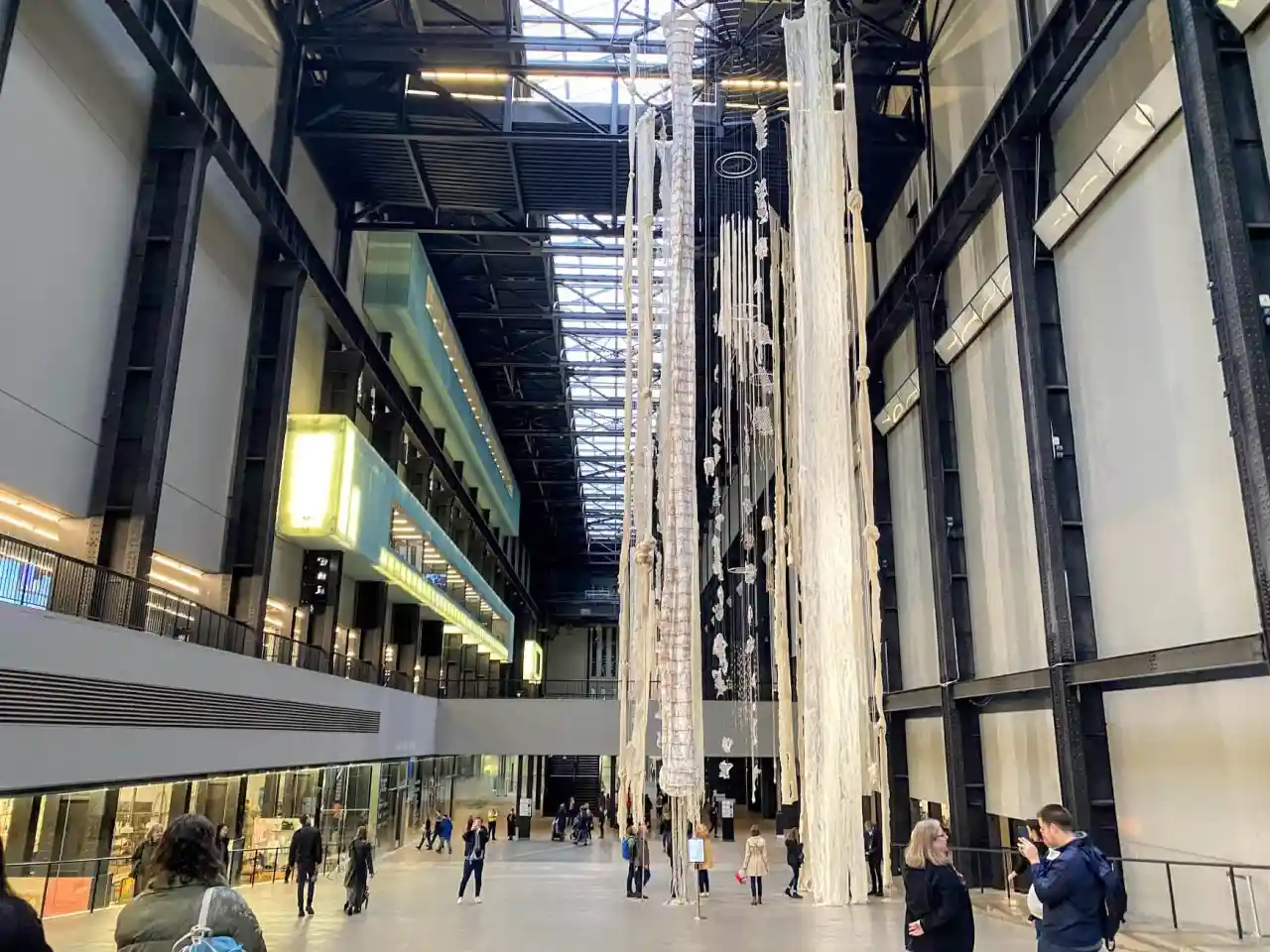
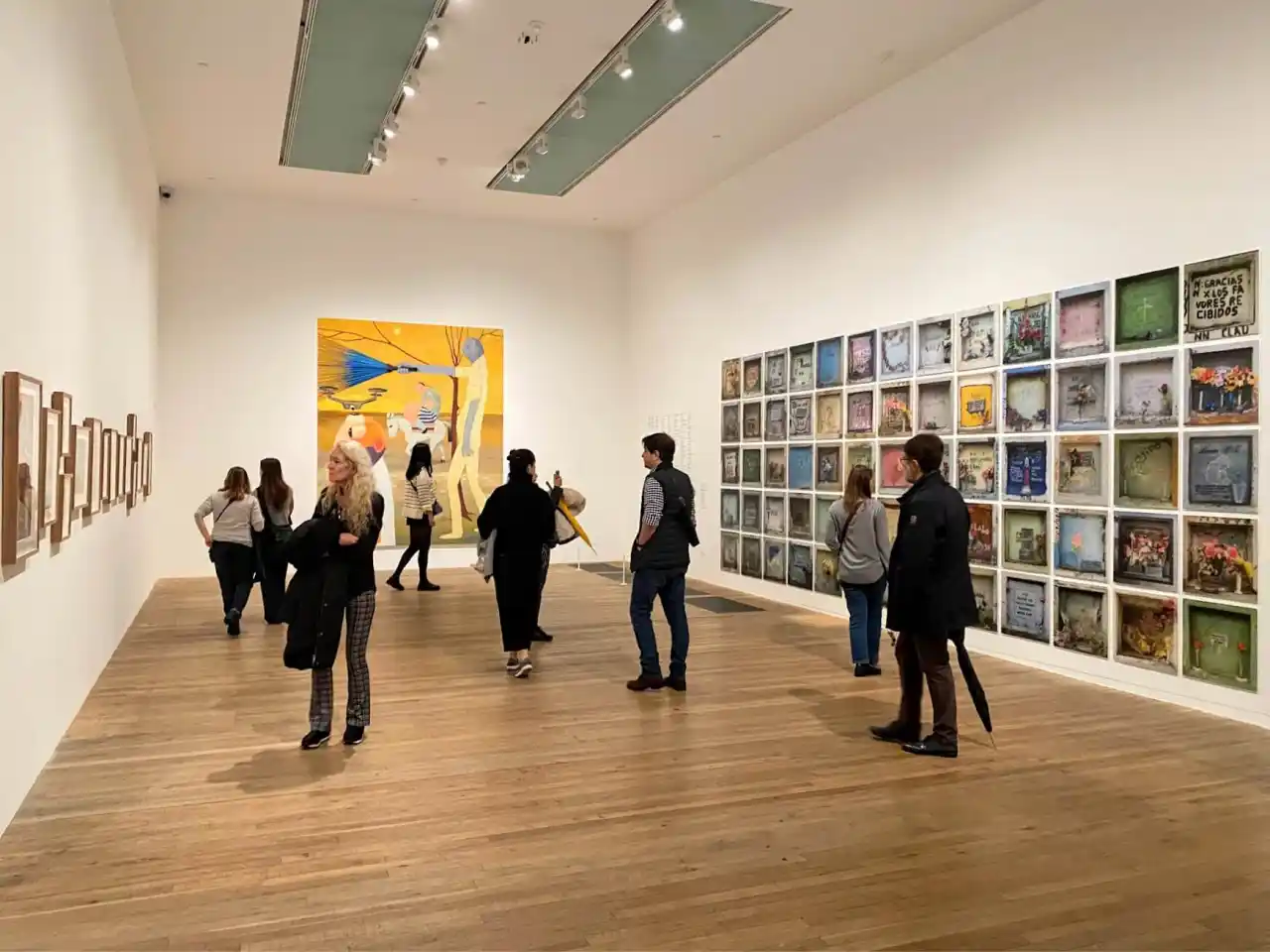
Opened in 2000, Tate Modern is one of the leading museums dedicated to modern and contemporary art. The collection is housed in a former Bankside Power Station, built after the Second World War. Located right next to the River Thames and the Millennium Bridge, it’s a fine example of British industrial architecture.
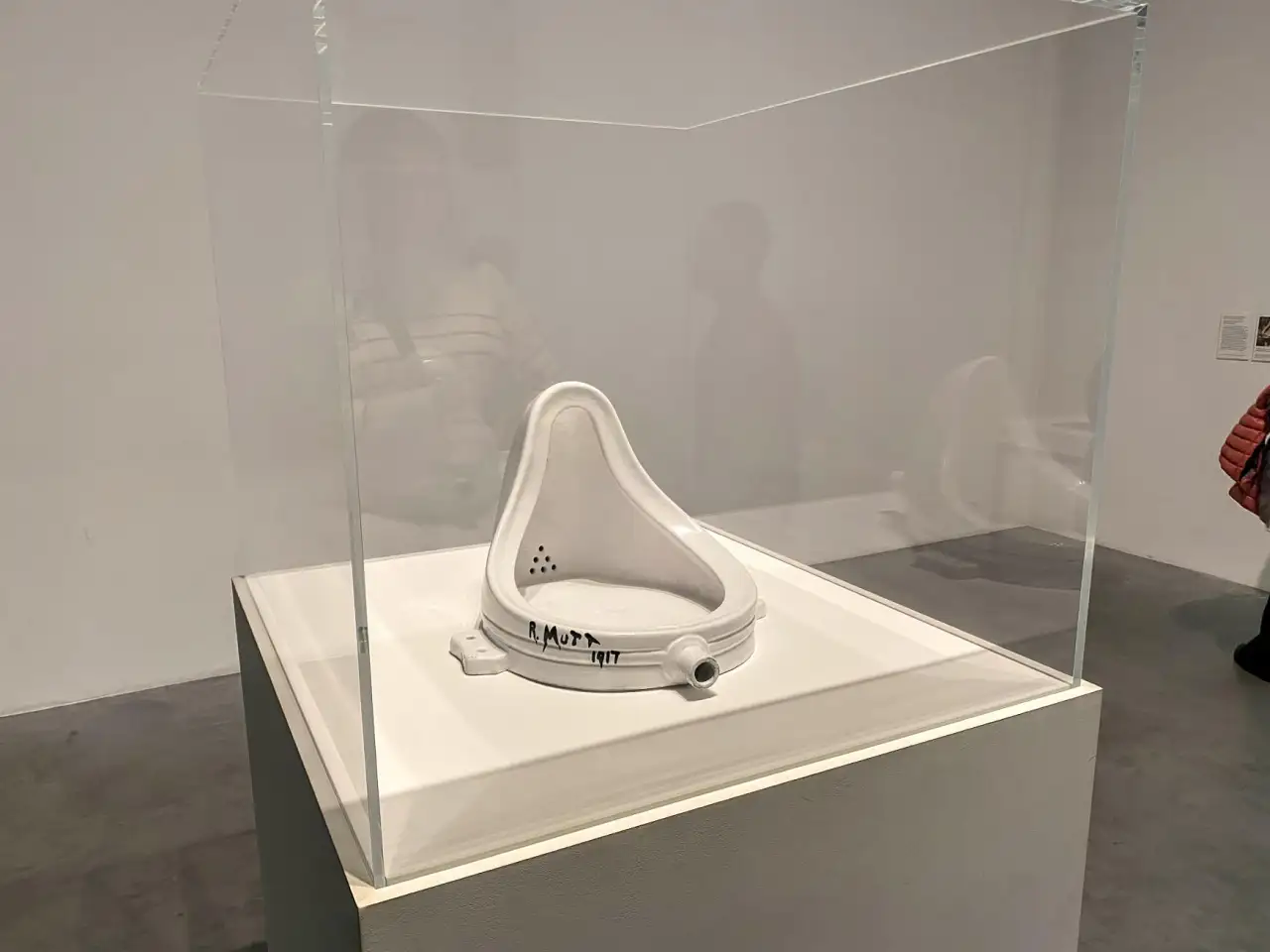
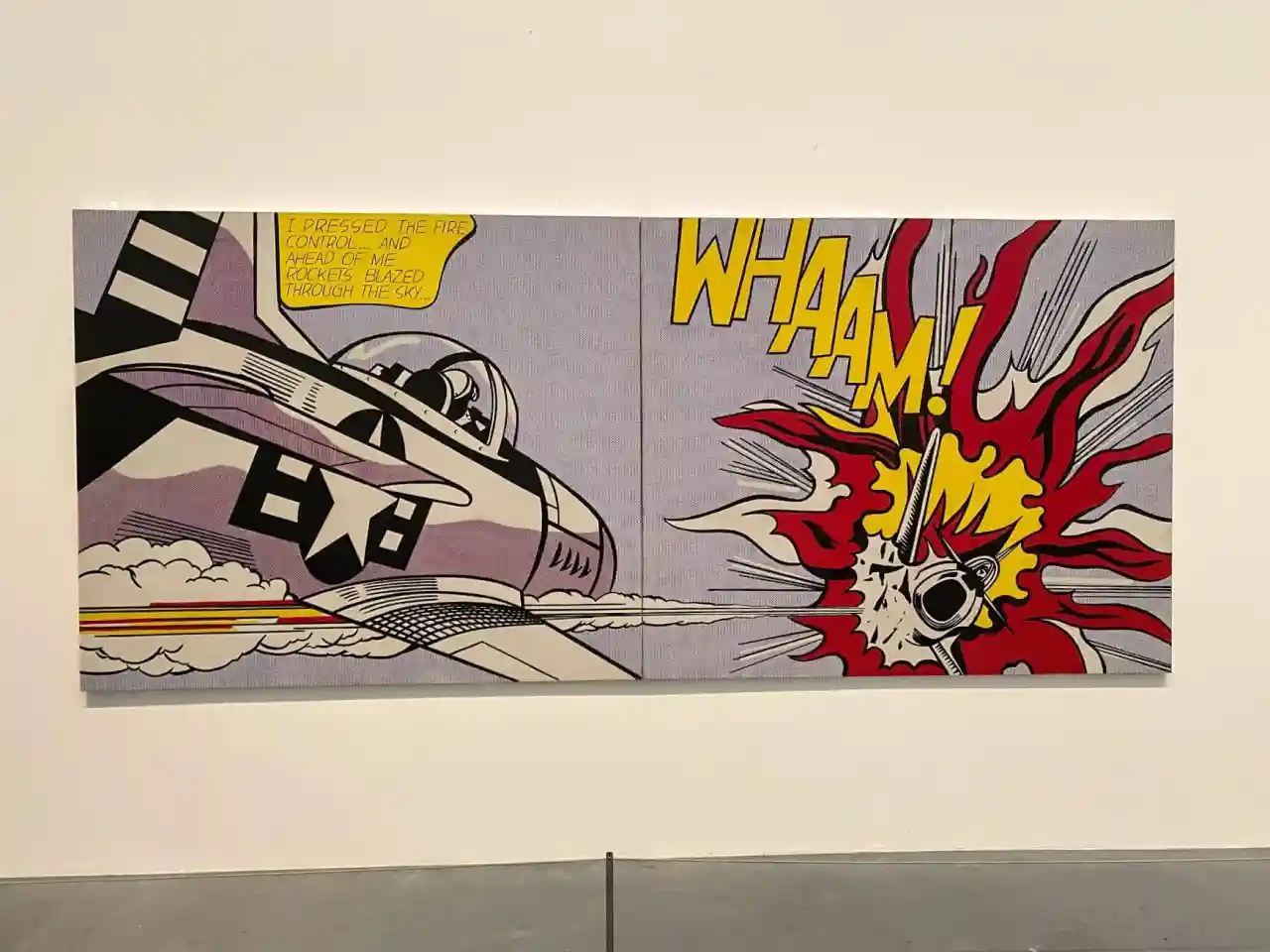
The museum’s highlights include Andy Warhol’s Marilyn Diptych, Marcel Duchamp’s Fountain, Mark Rothko’s Seagram Murals, Roy Lichtenstein’s Whaam!, and many more well-known artworks.
Tate Modern is also home to one of the best art bookshops I have ever visited. So, dedicate some time to browsing through it and leave some space in your bags to bring a few copies back home with you.
⤷ Read More: Tate Modern Museum Highlights
Tate Britain

Founded in 1897, Tate Britain is home to a fantastic collection of British art. The oldest artworks date to the time of the Tudors, and the museum roughly covers art from the United Kingdom from the 1500s until the present day. The front of the building, with a recognisable classical portico, was designed by Sidney R. J. Smith.
Some of the museum’s highlights are paintings by J. M. W. Turner housed in the Clore Gallery. You’ll also find artworks made by William Blake, John Constable, John Singer Sargent, Francis Bacon, Anna Lea Merritt, David Hockney and many more great artists.
⤷ TIP: Tate Britain organises a Triennial exhibition providing an overview of contemporary British art curated by a guest curator, making it a great place to explore younger art talents from the UK.
Special tours and events in free London museums
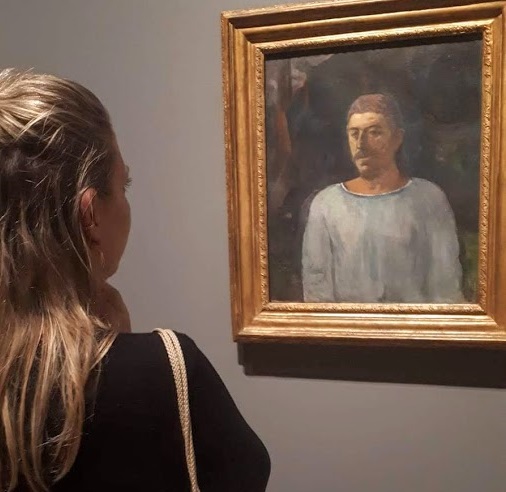
These London museums don’t provide only a free entrance to their collections, but they often organise special events, tours and lectures. Check out their websites before your visit to see what’s on and how you can join some of these.
During my last visit to the National Portrait Gallery, I joined one of its short ‘Artwork in spotlight’ talks and a special highlights tour. Both were free and provided a great insight into the collection. A few days later, the National Gallery was organising a talk by one of the most famous British art critics, Andrew Graham-Dixon, about his research on Johannes Vermeer, which was definitely a highlight of my trip to London.
London Museums shops
London museums are home to some of the best museum shops! They are simply on another level. I usually visit in November because of the conference I’m attending each year, so I always buy some beautiful art-inspired Christmas cards.
You can find so many beautiful, artsy things in them. From fashion, design, and stationery inspired by artworks from these museums, to a great book selection, you’ll find it all in some of these free London museums.
⤷ Read more: Colouring postcards – Greetings from London
Tips for visiting free museums in London

Temporary exhibitions
If you’d like to see some of these museums’ temporary exhibitions, you’ll need to pay a fee, which would in the majority of cases be between 20 and 30 British Pounds. Those exhibitions are usually some of the best ones in Europe, and they sell out fast. So, if you see something you’d like to see during your visit to London, be sure to get your online tickets in time.
Plan how to get there
London is a huge city, and distances between the museums could be quite large. So, check out the underground plan and see which is the closest metro stop to the museums. You’ll walk plenty inside these museums, so it’s good to save up some energy in between.
Donate to these museums
All the London museums in this article don’t charge an entrance fee because they are trying to be accessible to everyone. However, consider donating to them to help cover the high costs of maintaining these collections. You’ll find donation boxes and even the card machines usually at the museum entrance, so consider supporting them in that way.
⤷ Read more: Tower of London – Its History, Highlights & A Private Tour
With so many wonderful cultural venues to visit, I hope this guide to the best free museums in London will make your choice a bit easier. Enjoy exploring their beautiful collections, buy a souvenir at their museum shops, and don’t forget to check the tours and special events agenda before your visit. And let me know in the comments which museum you liked the most.
Cover photo by Burak Arslan on Unsplash